Best Fleece Hiking Hoodies Of 2026
Check out our fleece hoodie round-up to discover the best fleece hiking hoodies of 2026! The world of hiking fleece is vast, but we've tested out enough of these tops to bring you the best of the best.
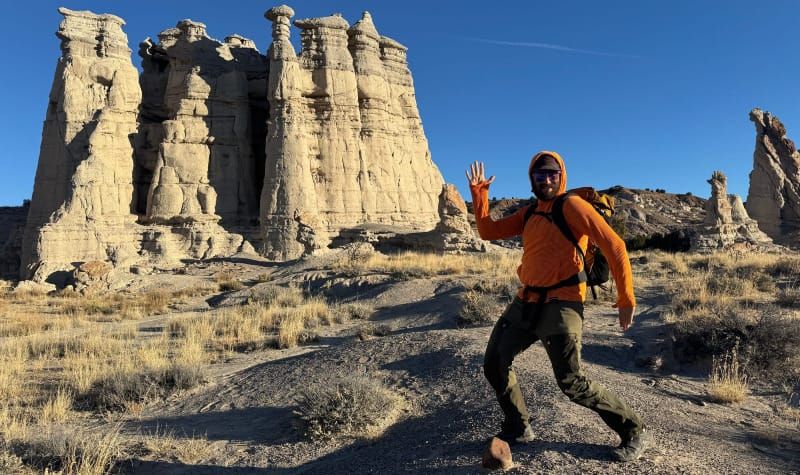
Fleece hoodies remain one of the most useful layers you can carry on the trail, and in 2026, there are more options than ever. The best fleece hiking hoodies balance warmth, breathability, moisture management and packability, giving hikers a versatile layer that can work on its own in cool weather or disappear beneath a shell when conditions turn cold, windy or wet. From lightweight grid fleeces built for high-output hiking to warmer, loftier options for chilly mornings and shoulder-season adventures, there’s a fleece for just about every kind of trail day.
For hiking in the Southwest, a good fleece hoodie is especially useful. Desert temperatures can swing dramatically between day and night, while higher-elevation trails can take you from intense sunshine to cold wind and rapidly changing mountain weather. Whether you’re hiking among saguaros in southern Arizona, exploring the Colorado Plateau or heading into the high country of the Southern Rockies, a fleece hoodie is one of those layers that earns its place in your pack year-round. We’ve rounded up the best fleece hiking hoodies of 2026, with picks for different temperatures, activities and budgets so you can find the right layer for wherever you’re headed next.
What Makes the Best Fleece Hiking Hoodie?
The best fleece hiking hoodies do more than keep you warm. A great hiking fleece should regulate temperature while you’re moving, manage moisture, layer easily and provide enough warmth for the conditions without adding unnecessary weight or bulk. Depending on where and when you hike, that might mean an ultralight grid fleece for high-output days or a warmer midweight fleece for cold mornings and shoulder-season adventures. Here’s what we look for when choosing the best fleece hoodies for hiking.
Warmth-to-Weight Ratio
More warmth isn’t always better on the trail. A good hiking fleece provides enough insulation for the conditions while remaining relatively light and easy to layer. Lightweight fleeces are excellent for active hiking and mild conditions, while midweight options provide more insulation when temperatures drop. Grid fleeces can be particularly effective because their construction helps balance warmth with ventilation and reduced fabric weight.
Breathability and Moisture Management
Fleece really shines as an active layer when it can move heat and moisture away from your body. During steep climbs and other high-output hiking, highly breathable fleece helps prevent you from becoming excessively hot and sweaty. Lightweight fabrics, grid patterns and strategically placed breathable panels can all improve airflow and moisture management.
Durability
Lightweight doesn’t have to mean fragile, but durability varies considerably between fleece fabrics. A hiking hoodie should stand up to repeated use beneath backpack straps and occasional encounters with branches, rock and rough trail conditions. Fabric quality, construction and reinforced high-wear areas can all contribute to a fleece’s long-term durability.
Packability
One of the biggest advantages of fleece is its versatility, but you’ll probably spend part of the day carrying it rather than wearing it. Lightweight and compressible fleece hoodies take up less room in a hiking pack, making them particularly useful for changing temperatures and trips where every ounce and liter of pack space matters.
Wind and Weather Performance
Traditional fleece is breathable but generally offers limited protection from wind, which is part of why it works so well as a midlayer. Some technical fleeces use tighter-knit fabrics, smooth outer faces or hybrid construction to provide additional wind resistance, but there’s usually a tradeoff between weather protection and breathability. For sustained wind or precipitation, we prefer pairing fleece with an appropriate wind or rain shell rather than expecting the fleece to do everything.
Comfort, Fit and Layering
A hiking fleece should move with you without feeling restrictive, and fit matters even more when you’re building a layering system. Stretch fabrics, gusseted construction, articulated sleeves and well-designed hoods can improve mobility, while a relatively trim fit makes it easier to wear a fleece underneath an insulated jacket or shell. Longer hems and sleeves can also help maintain coverage while hiking with a pack.
Hiking-Friendly Features
Small design choices can make a big difference on the trail. Thumb loops, zippered pockets, half- or quarter-length zippers for ventilation, scuba-style hoods and pockets positioned above a backpack hipbelt can all add functionality. Not every hiker needs every feature, though—the best designs include useful details without adding unnecessary weight or complexity.
Recycled and Lower-Impact Materials
Many fleece hoodies now incorporate recycled polyester and other lower-impact materials. It’s also worth considering durability when thinking about sustainability: a well-made fleece that performs for years can be a better long-term purchase than one that needs frequent replacement. Because synthetic fleece can shed microfibers during washing, proper care and washing only when necessary can also help reduce its environmental impact.
Best for Cool-Weather Hiking
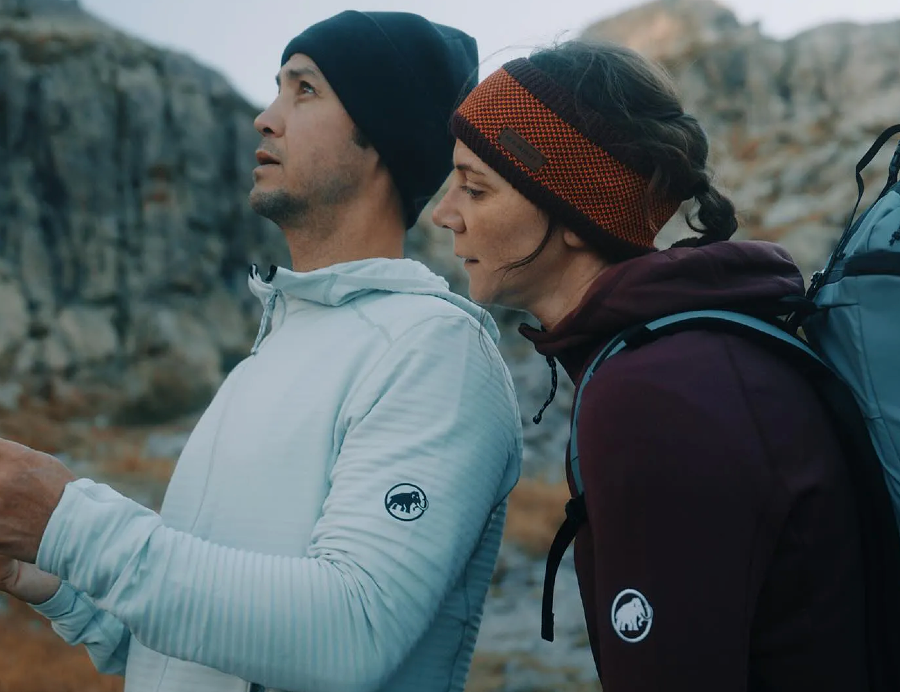
Mammut Taiss ML Hooded Jacket
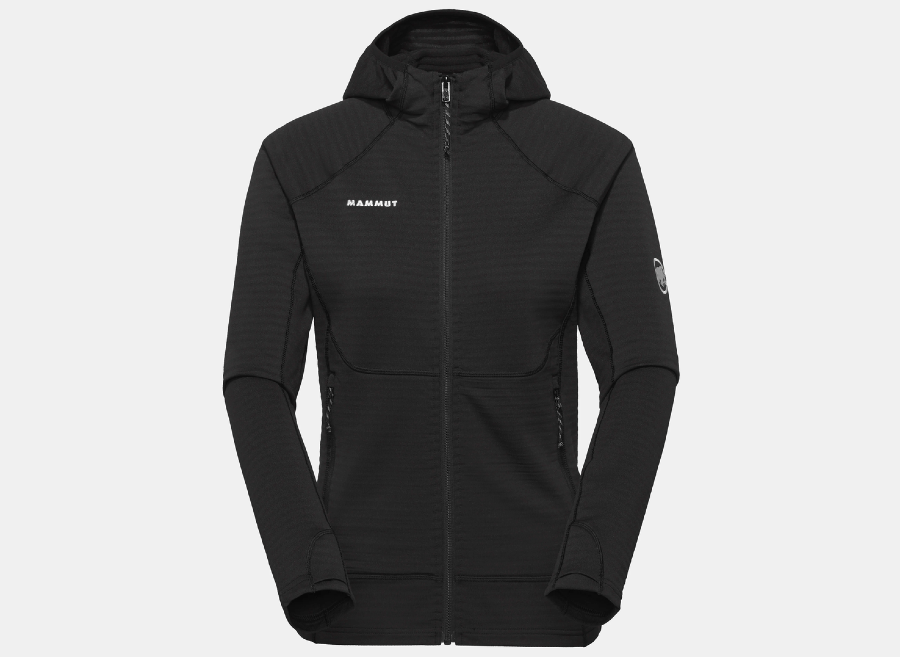
The Mammut Taiss ML Hooded Jacket is an excellent choice for hikers who want a warmer technical fleece that can still keep up when the pace picks up. Built with Polartec Power Stretch fleece, the Taiss ML combines four-way stretch with excellent moisture management and quick-drying performance, making it particularly well suited to cool-weather hiking, high-elevation trails and long days in the mountains. The smooth, stretchy construction also layers comfortably beneath a shell without feeling bulky or restricting movement.
Mammut gets the trail-specific details right, too. The athletic fit and underarm gussets provide plenty of freedom of movement, while flat seams help reduce rubbing beneath a backpack. Two zippered pockets are positioned to remain accessible while wearing a pack, and the fitted hood, elastic edging and thumb loops add extra coverage when temperatures drop. At 320 grams for the women’s version and 370 grams for the men’s, this isn’t the lightest fleece in our 2026 lineup, but that’s not really its purpose. The Taiss ML prioritizes dependable warmth, stretch and all-day mountain performance, making it one of our favorite fleece hoodies for cooler conditions and higher elevations.
Best for Layering
Squak Mountain The Squak Grid Fleece Hoodie
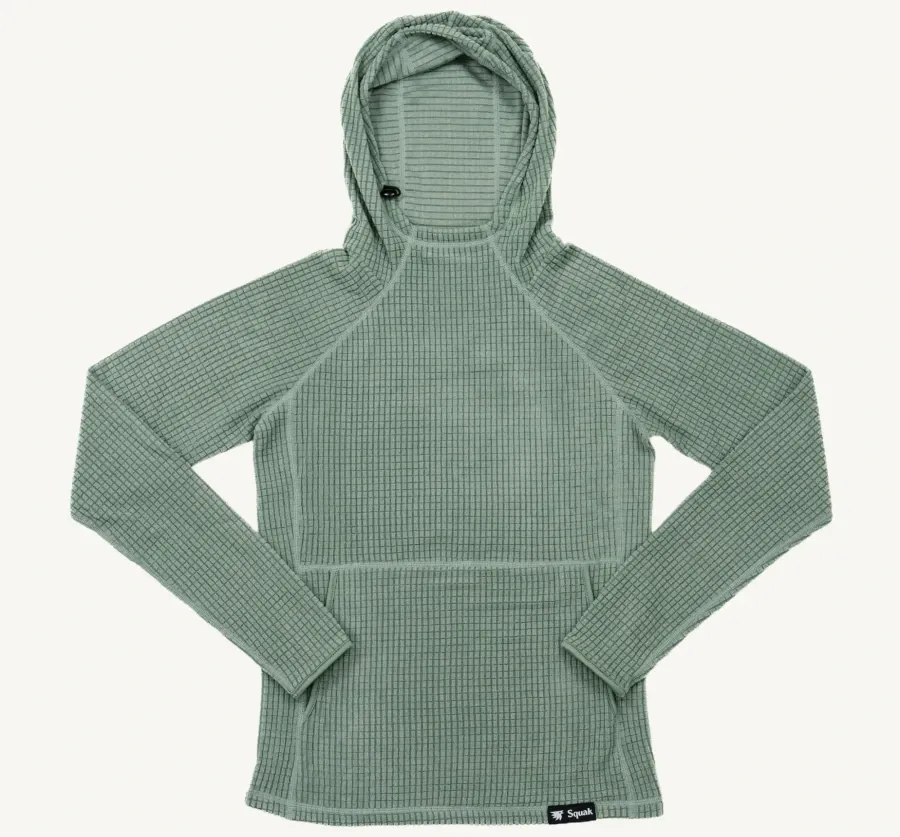
The Squak Fleece from Squak Mountain is a refreshingly straightforward take on the hiking fleece hoodie: comfortable, functional and designed to be a layer you’ll actually want to wear all day. Rather than loading it up with unnecessary features, Squak Mountain keeps the focus on what matters on the trail: a useful balance of warmth and breathability, comfortable movement and an easy-to-layer design that works across a wide range of conditions.
That versatility makes the Squak Fleece particularly appealing for everyday hiking. Throw it on for a chilly morning start, keep it handy when temperatures drop at higher elevations or layer it beneath a shell when the weather changes. It’s the kind of fleece that can move easily between hiking, travel and everyday wear, and we especially like seeing a smaller outdoor brand offer an alternative to the usual names dominating the fleece category. For hikers looking for a practical, comfortable hoodie without overcomplicating things, the Squak Fleece is an easy 2026 pick.
Save 15% on your Squak Mountain order with code SouthwestHikes at checkout!
Best for Versatility
Black Diamond Diverge Full-Zip Hoody
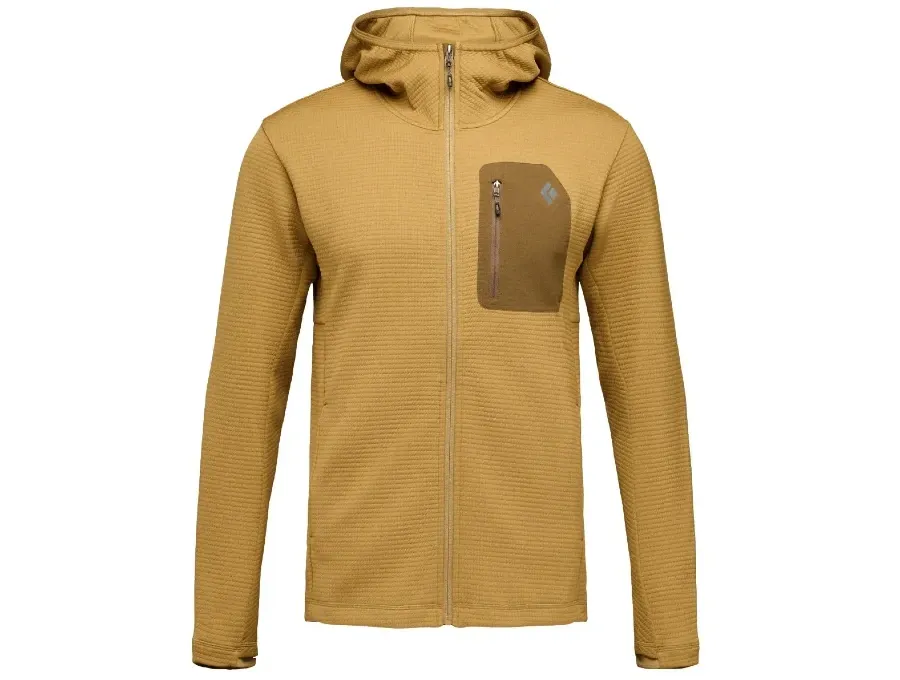
The Black Diamond Diverge Full-Zip Hoody is a versatile option for hikers who want the comfort of a fleece with the convenience and temperature control of a full-length zipper. It works especially well for active days when conditions are constantly changing: zip it up for chilly starts and exposed stretches, open it up when you’re climbing, or layer it beneath a shell when the weather turns. The streamlined design also makes the Diverge easy to incorporate into a larger hiking layering system without feeling excessively bulky.
What makes the Diverge stand out for 2026 is its do-it-all appeal. It’s technical enough for long days on the trail but comfortable and understated enough to become an everyday layer, making it a good choice for hikers who don’t want a highly specialized fleece. We especially like a full-zip fleece for hiking in the Southwest, where temperature swings between cool mornings, warm afternoons and higher elevations can make easy ventilation incredibly useful. If you’re looking for one fleece hoodie that can cover hiking, travel and everyday wear, the Black Diamond Diverge is a strong all-around option.
Best Ultralight
LightHeart Gear Alpha Direct 90 Hoodie
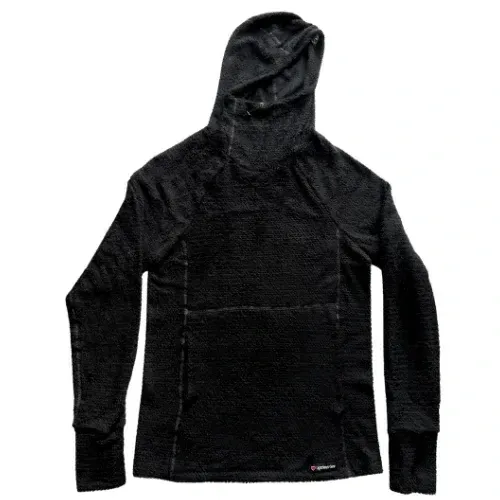
For hikers counting every ounce, the LightHeart Gear Alpha Direct 90 Hoodie is one of the most interesting ultralight fleece options in our 2026 lineup. Built around Polartec Alpha Direct 90 insulation, this hoodie skips the heavier construction of a traditional fleece in favor of an exceptionally airy, open structure that provides surprising warmth for very little weight. That construction also makes it highly breathable and quick drying, which is exactly what we want from an active layer for backpacking, fast hiking and other high-output adventures.
The tradeoff is that Alpha Direct behaves differently from a conventional fleece. Its extremely breathable construction offers very little protection from wind, but pair it with a lightweight wind shell and you suddenly have an impressively adaptable ultralight layering system. It’s also a fabric that deserves a little more care around abrasive rock, brush and rough surfaces than a burly everyday fleece. For ultralight hikers who prioritize warmth-to-weight ratio, breathability and packability above everything else, though, the LightHeart Gear Alpha Direct 90 Hoodie is a standout, and a great example of just how little a genuinely useful fleece layer can weigh.
Best for Backpacking
Sambob Microgrid Hoodie
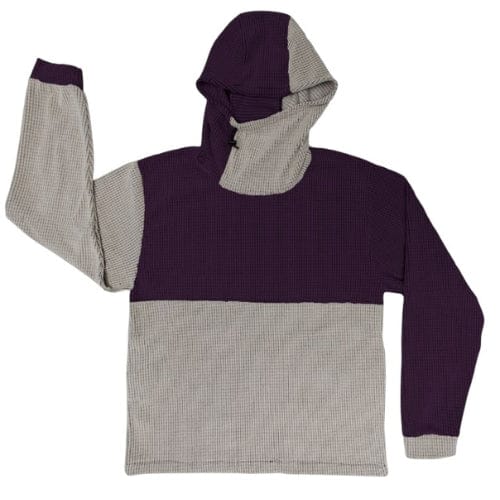
The Sambob Microgrid Hoodie is a great pick for hikers who love cottage-made gear and want a lightweight fleece that lands somewhere between an ultralight specialty layer and a traditional hiking hoodie. Its microgrid fleece construction creates small channels throughout the fabric that help retain warmth while allowing excess heat and moisture to escape, giving it an excellent balance of insulation and breathability for active hiking. It’s comfortable enough for cool mornings and rest stops without becoming overly warm once you start moving.
We especially like the Microgrid Hoodie for its simplicity. This is the kind of fleece that makes sense for long trail days, backpacking trips and lightweight layering systems where you want dependable warmth without carrying a bulky midlayer. Compared with an extremely airy Alpha Direct hoodie, the more traditional microgrid construction also makes it feel like a more substantial standalone layer while still remaining lightweight and breathable. For hikers interested in smaller gear makers and thoughtfully designed trail apparel, the Sambob Microgrid Hoodie is an easy one to put on the radar for 2026.
Best for Camp
Mountain Hardwear Summit Grid Big Grid Hoody
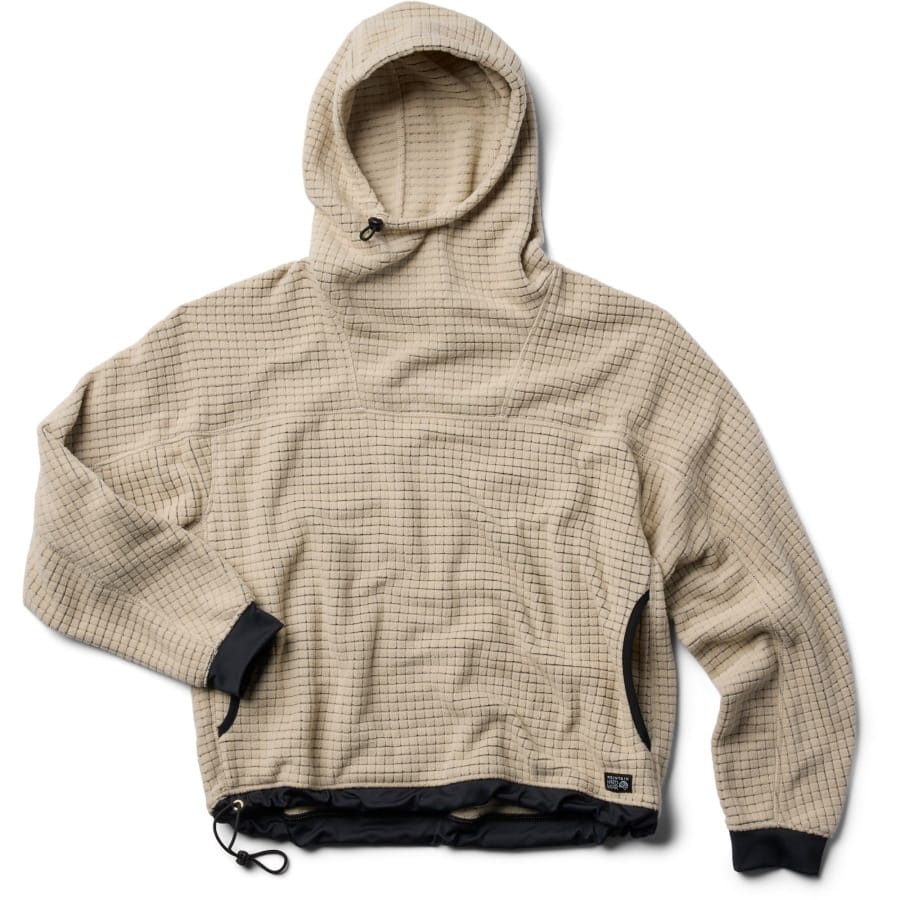
The Mountain Hardwear Summit Grid Big Grid Hoody takes the familiar grid-fleece concept and goes bigger, creating an active midlayer designed to balance warmth with excellent breathability. The pronounced grid structure traps warm air when you need insulation while leaving channels that help excess heat and moisture escape during sustained movement. That makes the Summit Grid particularly well suited to cool-weather hiking, steep climbs and higher-output adventures where a traditional fleece can quickly start to feel too warm.
We also love the versatility of a technical grid fleece like this one. Worn alone, the Summit Grid breathes exceptionally well and makes a comfortable active layer in cool, dry conditions; add a wind or rain shell and those same grid channels help trap warmth as part of a surprisingly effective layering system. The hood adds useful coverage when temperatures drop, while the technical construction keeps the fleece firmly focused on performance rather than simply coziness. For hikers who run warm or want a fleece they can keep wearing while working hard on the trail, the Mountain Hardwear Summit Grid Big Grid Hoody is one of our favorite cozy fleeces for 2026.
Best Durability
Fjällräven Keb Fleece Hoodie
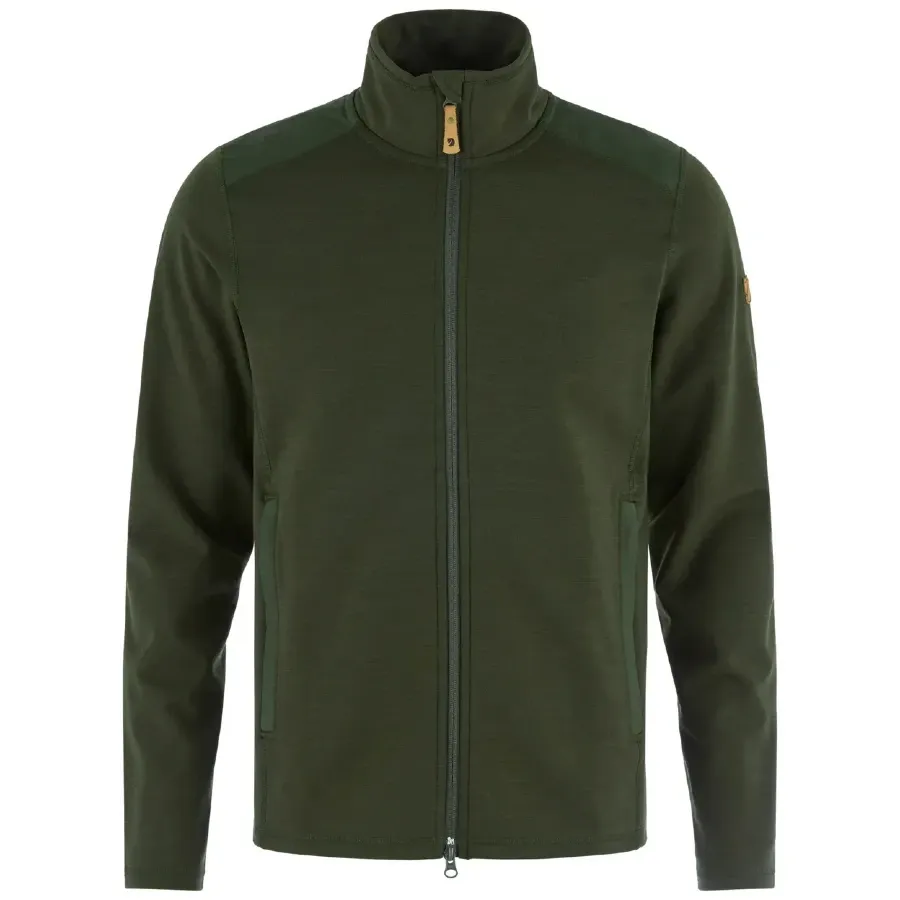
The Fjällräven Keb Fleece Hoodie is built for hikers who value durability, warmth and long-term versatility more than shaving every possible ounce. Its technical fleece construction combines a smooth outer face with a soft, insulating interior, creating a substantial midlayer that works particularly well for cool-weather hiking, shoulder seasons and higher-elevation adventures. The fabric also offers plenty of stretch, giving the Keb the freedom of movement you want for scrambling, steep climbs and long days on rugged trails.
Where the Keb really separates itself from lighter fleece hoodies is its rugged construction. Fjällräven reinforces high-wear areas like the shoulders for added durability beneath backpack straps, making this a fleece we’d reach for when conditions are rougher and an ultralight layer might feel a little too delicate. The fitted hood adds extra warmth without excessive bulk, while the full-length zipper makes ventilation and layering easy throughout the day. It’s heavier and more substantial than many of our 2026 picks, but for hikers looking for a hardworking fleece that can handle years of trail use, the Fjällräven Keb Fleece Hoodie is an excellent choice.
Best Cult Classic
Melanzana Micro Grid Hoodie V2
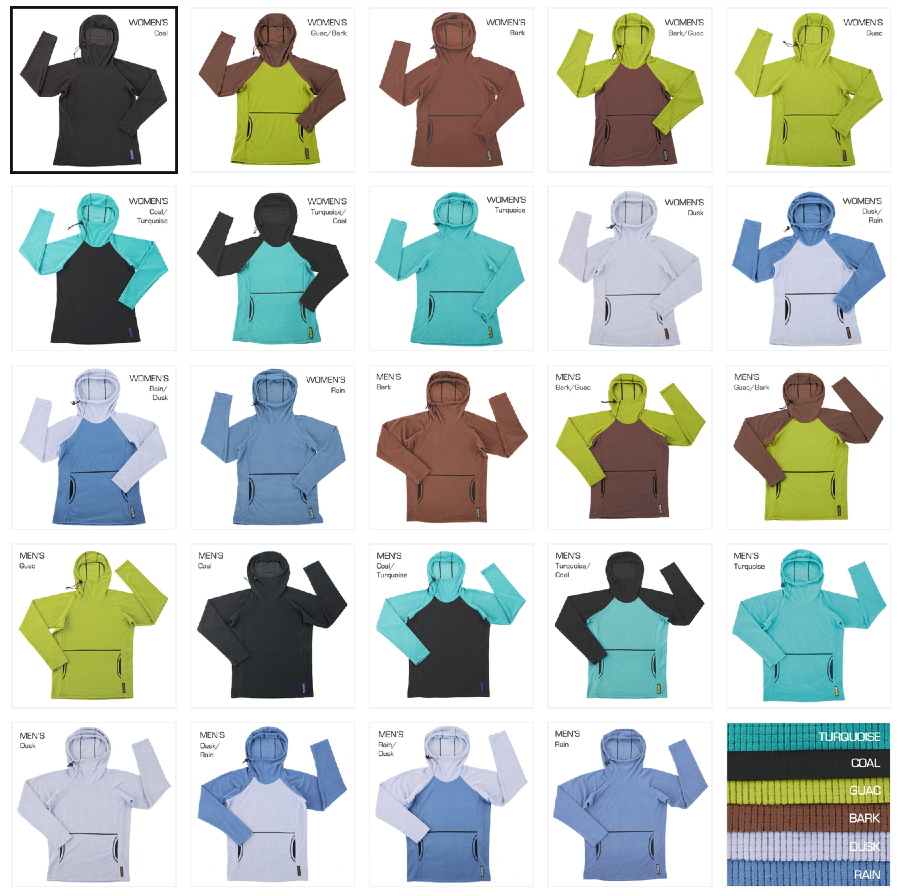
Few pieces of hiking apparel have achieved quite the cult following of the Melanzana Micro Grid Hoodie V2. Made in Leadville, Colorado, the “Melly” has become a genuine trail icon thanks to its simple design, comfortable microgrid fleece and wonderfully relaxed feel. The gridded fabric provides a useful combination of warmth and breathability without the bulk of a heavier traditional fleece, making it an easy layer for hiking, cool mountain mornings, road trips and just about everything in between.
Part of what makes the Micro Grid Hoodie V2 so beloved is that it doesn’t try too hard to be an ultralight or hyper-technical piece. The distinctive hood, roomy kangaroo-style pocket and comfortable fit make it exceptionally easy to live in, while the microgrid construction gives it legitimate usefulness on the trail. There is, of course, one catch: Melanzana’s famously limited retail model means buying a new one generally requires an appointment at its Leadville store rather than simply adding one to an online cart. That scarcity has only added to the legend. If you can get your hands on one, the Melanzana Micro Grid Hoodie V2 remains one of the most distinctive—and most loved—fleece hiking hoodies heading into 2026.
Packing It Out: Find Your Perfect Fleece Hiking Hoodie
The best fleece hiking hoodies of 2026 prove just how much variety now exists within one seemingly simple piece of hiking gear. From ultralight Alpha Direct layers and highly breathable grid fleeces to warmer, more durable hoodies built for cold mountain days, there’s no single fleece that works best for every hiker or every trail. The right choice comes down to how much warmth you need, how hard you’ll be working, the conditions you expect and how much weight you’re willing to carry.

That versatility is exactly why fleece remains one of our favorite hiking layers, especially here in the Southwest, where a single day can bring huge temperature swings between desert floors and high-elevation trails. Find the fleece that fits your adventures, pair it with a good base layer and weather protection when conditions demand it, and you’ll have one of the most useful pieces of hiking clothing in your kit for 2026 and well beyond.
FAQ: Your Fleece Hiking Hoodie Questions Answered
1. What’s the difference between fleece and wool for hiking?
Fleece and wool can both make excellent hiking layers, but they perform differently. Synthetic fleece is generally lightweight, breathable, quick-drying and easy to care for, making it particularly good for active hiking where you’re generating a lot of heat and moisture. Merino wool naturally resists odor and regulates temperature exceptionally well, but it can take longer to dry and is often more expensive. For a dedicated active midlayer, we generally prefer fleece; for next-to-skin layers and multi-day trips where odor control matters, merino wool has some major advantages.
2. Are fleece hoodies good for cold-weather hiking?
Absolutely. Fleece hoodies are one of the most useful midlayers for cold-weather hiking because they provide insulation while remaining breathable enough for active use. In cold conditions, a typical layering system might include a moisture-wicking base layer, fleece midlayer and weather-resistant shell. An insulated jacket can then be added when temperatures drop further or whenever you stop moving. The right system will depend on temperature, wind, precipitation and your individual activity level.
3. Can a fleece hoodie replace a jacket?
Sometimes. In cool, dry and relatively calm weather, a fleece hoodie can work perfectly well as your outer layer. Fleece generally performs poorly against strong wind and sustained precipitation, however, so it shouldn't be considered a direct replacement for a rain shell, wind shell or insulated jacket in more demanding conditions. One of fleece's greatest strengths is how easily it works as part of a larger layering system.
4. What weight fleece is best for hiking?
For most active hiking, a lightweight to midweight fleece offers the best balance of warmth, breathability and packability. Lightweight grid fleece and Alpha Direct layers are particularly good for high-output activities and ultralight hiking, while warmer midweight fleece makes more sense for cold temperatures, slower-paced hikes and shoulder-season adventures. Your ideal fleece weight also depends on whether you tend to run hot or cold while hiking.
5. Is grid fleece better for hiking?
Grid fleece can be excellent for hiking because its alternating areas of fleece and open channels help balance insulation and breathability. The raised sections trap warm air, while the channels allow heat and moisture to escape more easily during activity. Different grid sizes and fabric weights produce very different results, though, so there isn't one grid fleece that's best for every hiker or every condition.
6. What is Alpha Direct fleece?
Polartec Alpha Direct is an extremely lightweight, highly breathable insulation frequently used by ultralight hikers and backpackers. Unlike conventional fleece, its open, airy construction can be worn directly as a standalone insulating layer without requiring additional liner fabric. It provides an impressive warmth-to-weight ratio and dries quickly, but offers very little wind resistance and can be less durable around abrasive surfaces. Pairing an Alpha Direct hoodie with a lightweight wind shell creates an exceptionally versatile ultralight layering system.
7. Do fleece hoodies block wind?
Most traditional fleece hoodies provide only limited wind resistance. In fact, that air permeability is one reason fleece can be so comfortable during high-output hiking: excess heat can escape through the fabric. Some fleeces use tighter-knit faces or hybrid materials to improve wind resistance, but this can reduce breathability. In genuinely windy conditions, pairing a breathable fleece with a lightweight wind shell is usually more effective and versatile.
8. How should a hiking fleece hoodie fit?
A hiking fleece should generally fit close enough to your body to layer comfortably beneath a shell or insulated jacket without restricting movement. Technical fleeces often use athletic cuts, stretch fabrics, gussets or articulated construction for this reason. If you primarily want your fleece for casual hiking or camp, you may prefer a roomier fit, while active and alpine hikers often benefit from something more streamlined.
9. How do I wash and care for a fleece hoodie?
Always follow the manufacturer's care instructions first, since fleece fabrics and treatments vary. In general, washing synthetic fleece in cool or warm water with a mild detergent and avoiding fabric softener can help preserve its performance. Washing only when necessary and air drying when practical can also reduce wear. Because synthetic fleece can release microfibers during washing, using a microfiber-catching laundry bag or washing-machine filter can help reduce the amount entering wastewater.
10. Are fleece hoodies environmentally friendly?
It depends on the fleece. Many outdoor brands now use recycled polyester, Bluesign-approved fabrics and other lower-impact manufacturing practices, but recycled synthetic fleece can still shed microplastics during washing. Durability matters, too: buying a well-made fleece, using it for years, repairing it when possible and washing it thoughtfully can reduce its overall environmental impact. Look beyond a single “recycled” label and consider materials, manufacturing practices and expected lifespan when comparing options.
This guide contains affiliate links, which help fund Southwest Hikes. When you click on the links to purchase the gear we get a small commission that goes a long way to creating guides, gear reviews, and content.