How to Choose the Best Ultralight Tent for Solo Backpacking (2026 Guide)
Choosing the best ultralight tent for solo backpacking isn’t only about shaving ounces; it’s about comfort, reliability, and confidence on the trail. This 2026 guide breaks down weight, materials, tent styles, and real-world considerations.
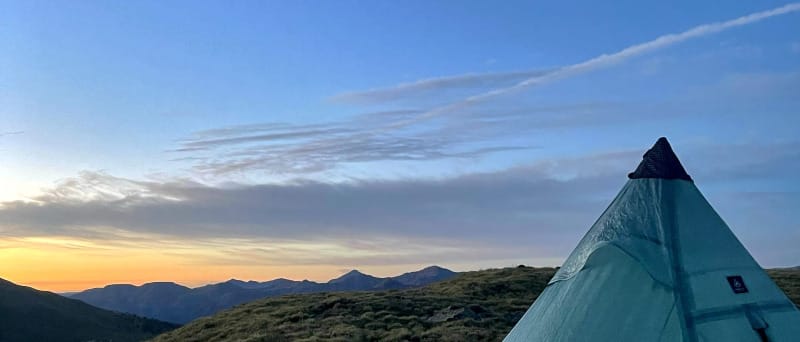
Choosing the right ultralight tent for solo backpacking can truly make or break a trip. After a long day on the trail, your tent isn’t just some shelter, it’s your refuge, your reset button, and sometimes the only thing standing between you and a long, miserable night.
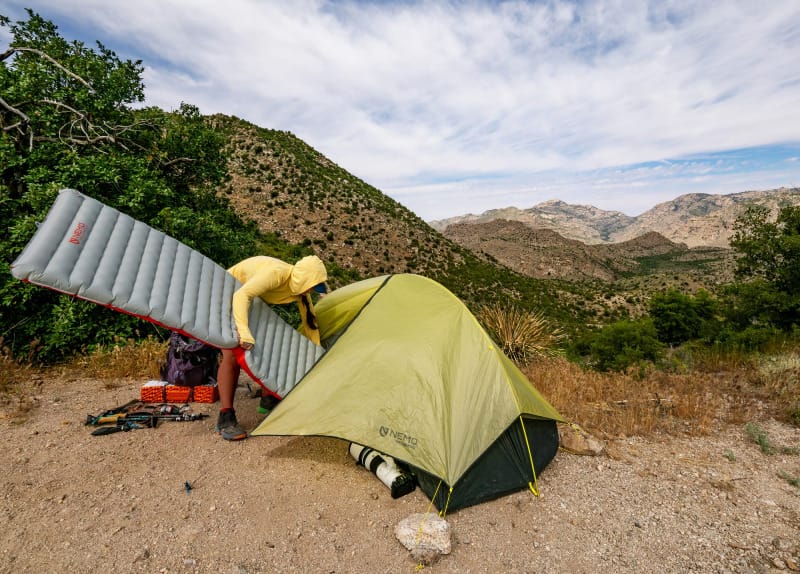
The ultralight tent market has exploded in recent years. From trekking-pole shelters to featherweight freestanding tents made with cutting-edge fabrics, the options are impressive and often overwhelming. This guide breaks everything down clearly so you can confidently choose a solo tent that fits your backpacking style, your terrain, and the kind of adventures you actually take.
And for the beginner backpackers here, I'm adding a link to an article just for you! Check out our ultralight backpacking beginners guide.
Why Choose an Ultralight Tent Made for Solo Backpacking?
Solo backpacking is about efficiency. You carry everything yourself, which means every ounce, every cubic inch, and every setup step matters.
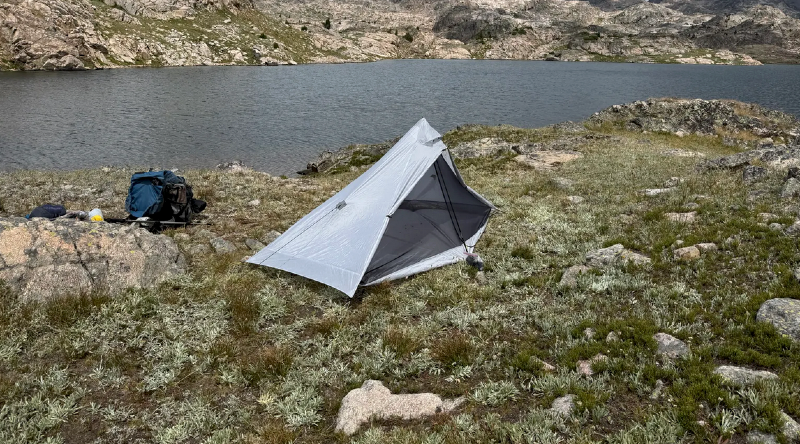
A one-person ultralight tent is designed specifically for this reality:
- Lower weight than two-person tents
- Smaller packed size that fits easily in ultralight packs
- Faster, simpler setup especially after long days
- Less bulk in tight campsites and alpine terrain
While many solo hikers use two-person tents for extra space, that choice almost always adds significant weight and pack volume. For true ultralight backpacking, a well-designed solo tent strikes the best balance between comfort, protection, and efficiency.
That said, there’s no single “perfect” tent, only the right tent for you. The sections below will help you narrow that down.
Key Factors to Consider When Choosing an Ultralight Solo Tent
1. Weight (and What That Number Actually Means)
Weight is often the first spec people look at and for good reason. As a general guideline, most ultralight solo tents fall between 1 to 2.5 pounds.
However, always pay attention to:
- Packed weight: everything included (tent, poles, stakes, stuff sack)
- Trail weight: what’s required to pitch the tent
Some tents look incredibly light on paper until you add stakes, extra guylines, or poles. Compare apples to apples when evaluating weight.
2026 tip: Materials like Dyneema Composite Fabric (DCF) continue to dominate the lightest category, while modern silnylon and silpoly options offer excellent performance at lower cost.
2. Interior Space & Livability
Ultralight does not have to mean miserable.
Ask yourself:
- Can you sit up comfortably?
- Is there room for your pack and shoes inside?
- Can you change clothes without touching wet walls?
Some ultralight tents shave weight aggressively, resulting in very tight interiors. Others prioritize smart geometry that feels far more livable without a huge weight penalty.
If you regularly backpack in stormy weather, alpine environments, or shoulder seasons, slightly more interior space can dramatically improve comfort.
3. Weather Protection & Durability
A solo tent needs to handle real weather, not just bluebird forecasts.
Look for:
- Proven waterproof fabrics (silnylon, silpoly, or Dyneema)
- Fully taped or bonded seams
- A bathtub floor, especially for wet climates or monsoon conditions
- Strong guylines and stake points for wind resistance
If you frequently backpack in heavy rain or high winds, these details matter far more than shaving the last ounce.
4. Ease of Setup
After a long day on trail, complexity is the enemy.
Ultralight solo tents generally fall into two categories:
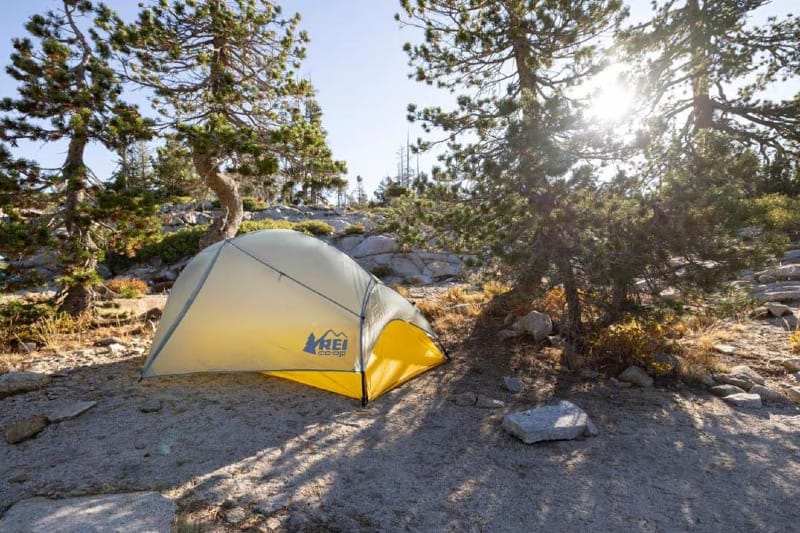
- Freestanding / semi-freestanding tents: faster and easier to pitch, especially on rocky or uneven ground
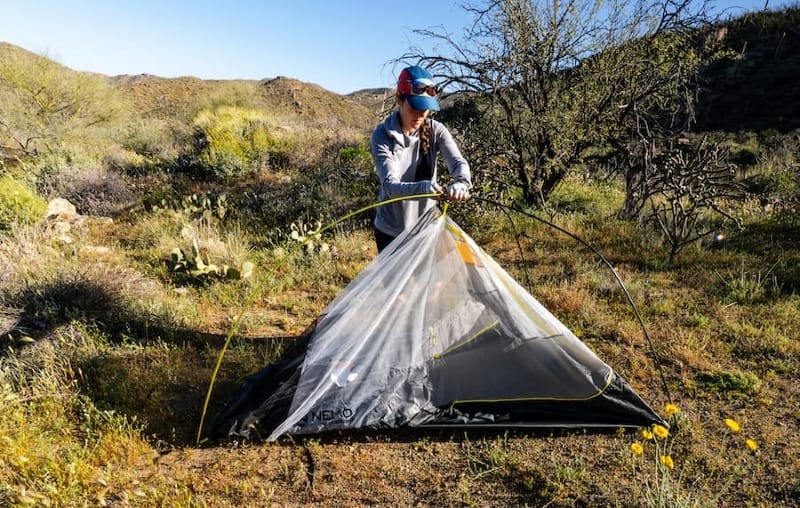
- Trekking-pole tents: lighter and more compact, but require practice and good site selection
Neither option is “better”, it depends on your priorities. Many experienced solo backpackers value fast, low-stress setup above everything else.
Strong advice: Practice pitching your tent before your first trip. It makes a huge difference.
5. Ventilation & Condensation Management
Condensation is one of the biggest complaints with ultralight shelters.
- Single-wall tents: lighter, but more prone to condensation
- Double-wall tents: slightly heavier, but far better airflow and moisture control
If you backpack in humid forests, cold alpine basins, or variable weather, good ventilation can matter more than weight alone.
6. Packed Size & Pack Compatibility
An ultralight tent should pack down small enough to work with modern ultralight backpacks.
Some tents pack so small they disappear into side pockets or bottom-of-pack spaces, while others require more thoughtful packing. Many experienced hikers:
- Ditch the stuff sack
- Pack poles, tent body, fly, and stakes separately
This flexibility can dramatically improve pack organization.
7. Budget & Value
Ultralight solo tents typically range from $300 to $700+.
- Dyneema tents sit at the premium end
- Silnylon/silpoly tents offer excellent performance at lower cost
- Used gear and last-season models can be fantastic values
More expensive doesn’t always mean better, especially if the design doesn’t match your backpacking style. This is a personal thing!
Types of Ultralight Solo Backpacking Tents
Trekking-Pole Tents
Lightweight and efficient, but rely on trekking poles. Not ideal for base-camping or hikers who don’t carry poles.
Freestanding & Semi-Freestanding Tents
Fast setup, flexible pitching, and excellent in bad weather. Slightly heavier, but often worth it.
Single-Wall vs. Double-Wall
Single-wall saves weight. Double-wall dramatically reduces condensation. Choose based on climate and comfort tolerance.
Which Ultralight Solo Tent Is Right for You?
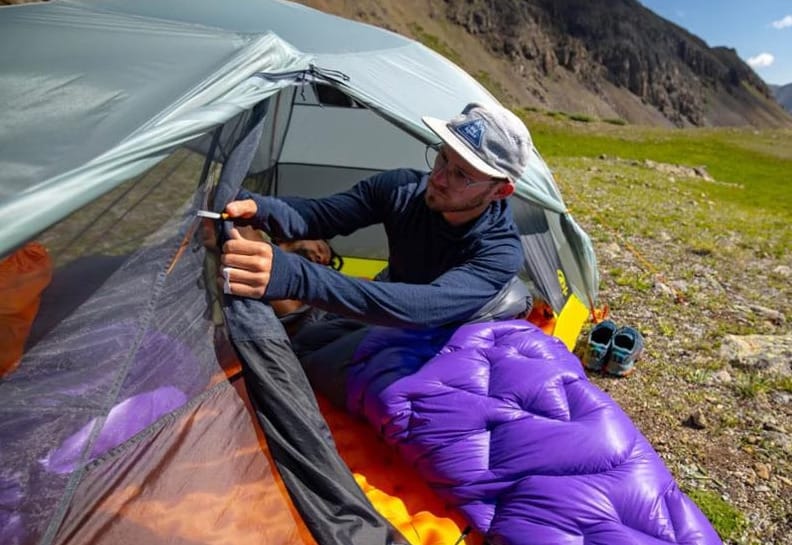
Choose a Trekking-Pole Tent If:
- You already hike with trekking poles
- You prioritize lowest possible weight
- You’re comfortable with site selection and tensioning
- You don’t plan to base camp
Trekking-pole tents shine on long-distance routes, thru-hikes, and minimalist kits.
Choose a Freestanding or Semi-Freestanding Tent If:
- You value fast, low-stress setup
- You camp on rocky, alpine, or hard-packed terrain
- You often arrive at camp tired, cold, or in bad weather
- You like flexibility in where you pitch
Many solo backpackers happily accept a few extra ounces for ease of use. At Southwest Hikes, we personally enjoy this category most for our adventures.
Choose a Single-Wall Tent If:
- You’re counting every ounce
- You backpack mostly in dry or breezy climates
- You’re comfortable managing condensation
Choose a Double-Wall Tent If:
- You backpack in wet, humid, or cold environments
- You want significantly less condensation
- You value comfort on multi-day trips
Tips for Success With a New Ultralight Tent
- Pitch your tent at home before your trip, maybe even a few times
- Check for missing stakes, defects, or weak points
- Experiment with guylines and stake configurations
- Learn how your tent packs best in your backpack
Confidence in your shelter setup makes solo trips safer, smoother, and far more enjoyable.
Ultralight Solo Tent Top Picks
| Brand | Model | Type | Weight Class | Best For | Link |
|---|---|---|---|---|---|
| Gossamer Gear | The One | Trekking-Pole | 18 oz | Thru-hikers & ounce counters | Check Price |
| REI Co-op | Flash 2 | Freestanding | Minimum is 2 lbs. 13.2 oz. | Budget-friendly ultralight | Check Price |
| Tarptent | Aeon Li | Trekking-Pole | 16.85oz | Storm-worthy minimalism | Check Price |
| Six Moon Designs | Lunar Solo | Trekking-Pole | 26oz | Value & livability | Check Price |
| NEMO Equipment | Hornet OSMO | Semi-Freestanding | 2 lb 4 oz | Fast setup & condensation control | Check Price |
| Big Agnes | Tiger Wall UL2 | Semi-Freestanding | 2 lb 8 oz | Comfort-first solo hikers | Check Price |
| Hyperlite Mountain Gear | UltaMid 1 | Pyramid/Pole | Varies by pole used | Alpine & severe weather | Check Price |
Packing It Out
Your ultralight solo tent is your home on the trail. The right choice depends on how and where you backpack, what conditions you face, and what tradeoffs you’re willing to make between weight, comfort, and simplicity.
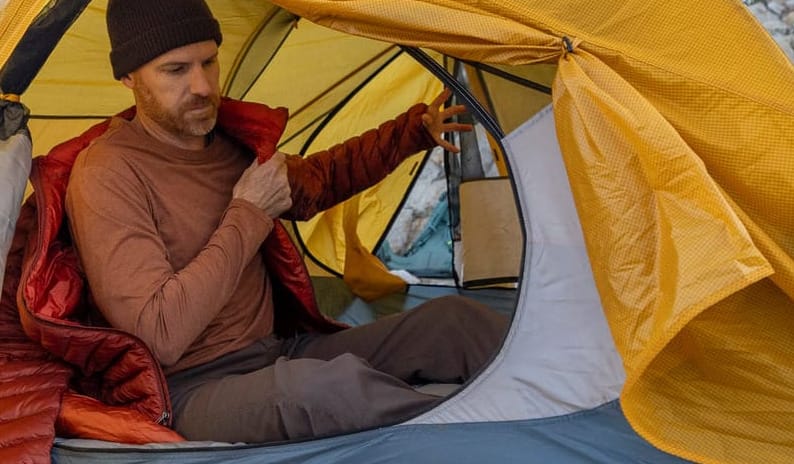
Whether you’re heading out for weekend trips, long-distance routes, or thru-hikes, a thoughtfully chosen solo tent will keep you protected, comfortable, and excited to crawl inside at the end of the day.
FAQs: Choosing an Ultralight Solo Tent
How much should an ultralight solo tent weigh?
Most weigh between 1–2 pounds, though weather-focused designs may be slightly heavier.
What materials are best?
Dyneema offers unmatched weight savings and zero sag when wet. Silnylon and silpoly balance durability, cost, and performance.
Single-wall or double-wall?
Single-wall is lighter. Double-wall dramatically reduces condensation and is often more comfortable long-term.
Do I need trekking poles?
Only for trekking-pole tents. Freestanding options are widely available.
How much do ultralight solo tents cost?
Expect $300–$700+, depending on materials and construction.
Originally published December 2024 | Updated December 20 2025
SouthwestHikes.com uses affiliate links. Purchases made through these links help support our work at no additional cost to you. Thanks for the support!