Hyperlite Mountain Gear Northrim 70 Backpack Review: Ultralight Durability for Rugged Terrain
The Hyperlite Mountain Gear Northrim 70 combines exceptional abrasion resistance, ultralight construction, and generous carrying capacity for demanding backcountry adventures. Here's how its design measures up and who should consider this specialized backpack.

Not every backpacking adventure follows a well-maintained trail. Some routes demand scrambling over abrasive rock, squeezing through narrow canyons, navigating dense vegetation, and carrying enough supplies to remain self-sufficient for days! These environments can be especially unforgiving on ultralight equipment, where reducing weight sometimes comes at the expense of durability.
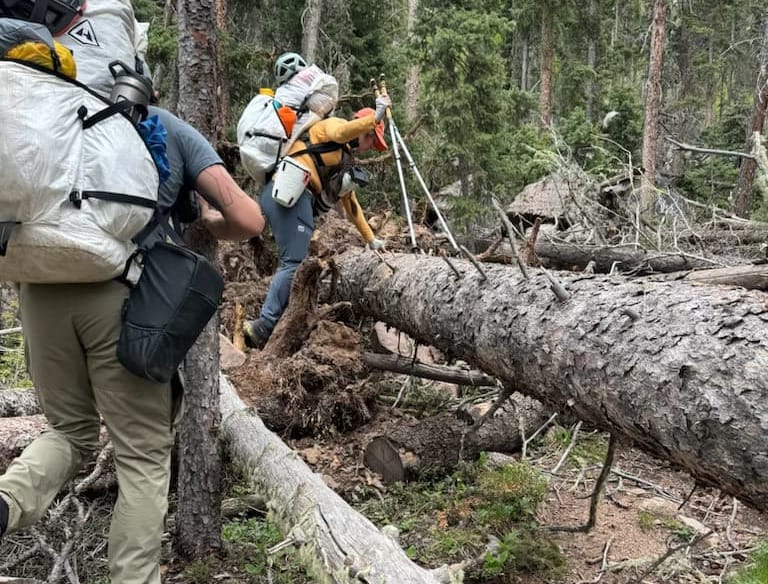
The Hyperlite Mountain Gear Northrim 70 takes a different approach. Designed specifically for rugged, off-trail backpacking, this 70-liter pack combines the weight savings of Dyneema Composite fabrics with reinforced high-abrasion areas and a minimalist design.
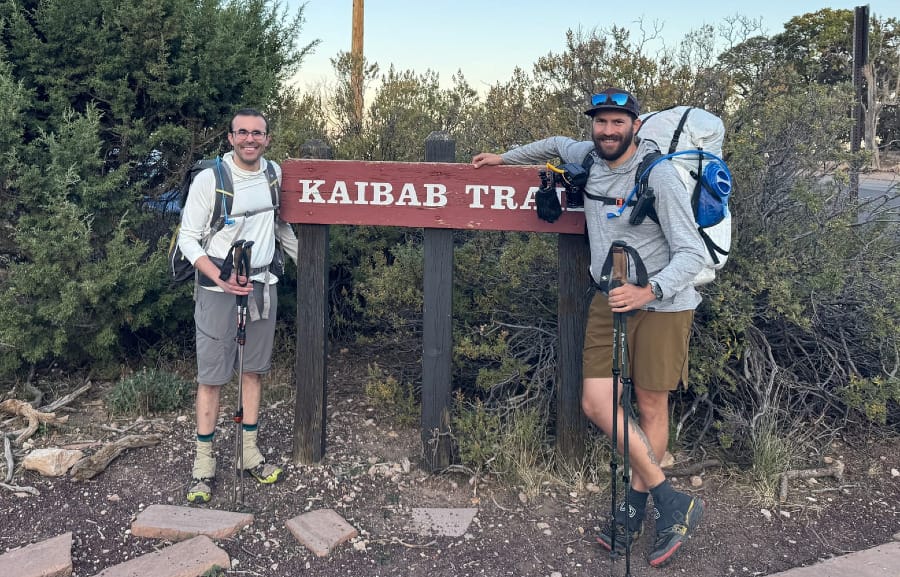
Inspired by the demanding terrain of the Grand Canyon, the Northrim is built for backpackers who want to travel light without constantly worrying about what their pack might encounter along the way. At a premium price, and with a design that prioritizes durability over convenience, is the Northrim 70 worth the investment?
Let's take a closer look at its construction, carrying system, organization, and overall versatility!
Hyperlite Mountain Gear Northrim 70 Specifications
- Capacity: 70 liters
- External Pocket Volume: 9.8 liters
- Weight: 38.6 ounces (2.41 pounds / 1,094 grams), medium
- Maximum Recommended Load: 60 pounds
- Main Fabric: Dyneema Composite Hybrid
- Reinforced Fabric: Dyneema Woven Composite 5.0
- Frame: Two removable, contoured aluminum stays
- Closure: Roll-top with compression straps
- Exterior Pockets: Three reinforced pockets
- Hip Belt: Padded, with two zippered pockets
- Torso Sizes: Small, Medium, Large, Tall
- Water Resistance: Water-resistant construction with taped seams
- Best For: Off-trail backpacking, canyon travel, extended expeditions, and rugged wilderness routes
First Impressions: A Different Kind of Ultralight Backpack
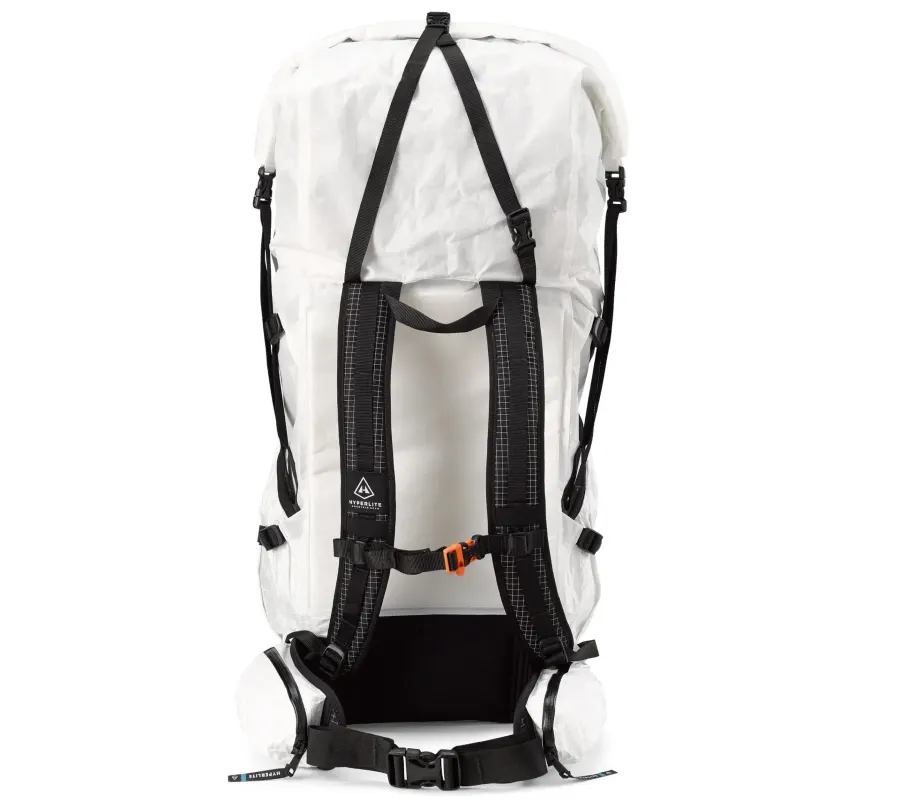
At first glance, the Northrim 70 looks unmistakably like a Hyperlite Mountain Gear backpack. Its tall, streamlined profile, roll-top closure, and minimalist exterior follow the design language that has made the company's backpacks recognizable throughout the outdoor industry. But the Northrim serves a distinctly different purpose than a traditional ultralight thru-hiking pack.
Rather than prioritizing convenient mesh pockets, extensive organizational features, or the absolute lowest possible weight, the Northrim emphasizes protection against abrasive environments. This is particularly apparent in the reinforced exterior pockets and bottom panel, where durable woven Dyneema materials replace more vulnerable fabrics.
The result is a backpack designed for people who regularly venture beyond established trails, where repeated contact with sandstone, granite, and rough vegetation can quickly wear down less substantial equipment. With 70 liters of internal capacity, the Northrim also offers considerably more room than many ultralight backpackers require for ordinary weekend trips.
That additional space becomes particularly valuable when carrying extended food supplies, specialized equipment, bulky insulation, or additional water for remote desert travel.
Durability: The Northrim 70's Greatest Strength
Durability is arguably the most compelling reason to choose the Hyperlite Mountain Gear Northrim 70.
While many ultralight backpacks use relatively delicate mesh or lightweight woven fabrics in their exterior pockets, the Northrim incorporates Dyneema Woven Composite 5.0 in areas especially vulnerable to abrasion. These reinforced sections include the bottom panel, exterior pockets, and hip belt pockets. This material selection makes sense for a backpack intended for environments where contact with rock is practically unavoidable.
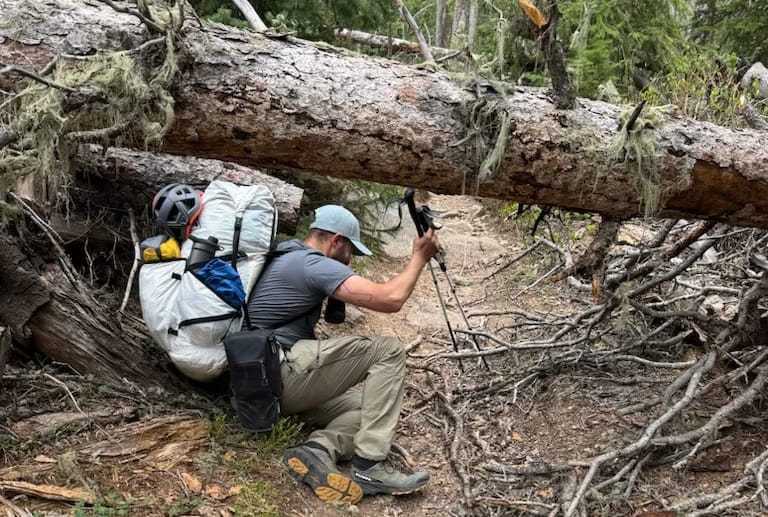
During off-trail adventures, backpacks frequently encounter abrasive surfaces while being lowered down ledges, dragged through tight passages, or set against rough terrain. The reinforced bottom is particularly important because it receives repeated wear whenever the backpack is placed on the ground. Likewise, the solid exterior pockets eliminate the vulnerability of traditional mesh pockets, which can snag on vegetation or tear against rock.
For backpackers who regularly explore canyon country, these design decisions represent meaningful advantages. Dyneema fabrics can still be punctured, cut, or damaged through prolonged use. The Northrim's reinforced construction reduces vulnerability in high-wear areas, but careful equipment handling remains important.
Durability Verdict: The Northrim's strategically reinforced construction is its defining advantage and one of the strongest reasons to choose it over a more conventional ultralight backpack.
Comfort and Carrying Capacity
A backpack with 70 liters of storage needs more than lightweight fabric to perform well. Its suspension system must also manage the additional weight that often accompanies extended wilderness travel.
The Northrim 70 incorporates two removable, contoured aluminum stays, a padded back panel, and a supportive hip belt. Together, these components provide structure and help transfer weight away from the shoulders.
Hyperlite Mountain Gear rates the Northrim 70 for loads up to 60 pounds, an impressive specification for a backpack weighing approximately 2.4 pounds. Maximum load capacity and all-day carrying comfort are not necessarily the same thing.
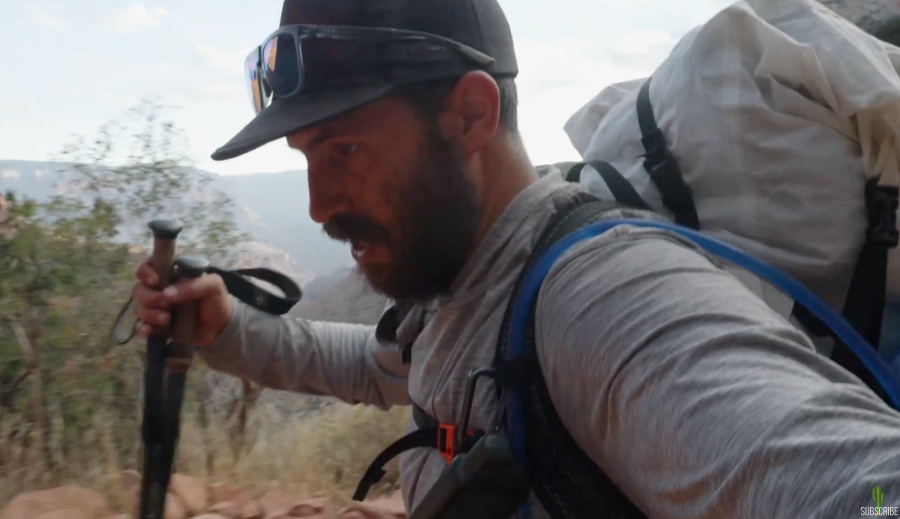
Although the frame is designed to support substantial loads, the Northrim does not feature the elaborate suspension systems, extensive ventilation, or heavily padded harnesses found on many traditional expedition backpacks. For backpackers accustomed to ultralight equipment, this minimalist approach may feel familiar and efficient. For those transitioning from conventional packs with highly adjustable suspension systems, the comparatively simple harness may require some adjustment. The shoulder straps incorporate closed-cell foam and spacer mesh, while the hip belt uses multiple foam layers to provide support without unnecessary bulk.
The relatively close-fitting back panel also means that ventilation is limited compared with suspended-mesh backpack designs. This may be particularly noticeable during strenuous climbs or warm-weather backpacking trips. Ultimately, proper torso sizing and thoughtful weight distribution will play an important role in determining comfort.
Comfort Verdict: The Northrim offers an impressive load-capacity-to-weight ratio, although backpackers prioritizing maximum cushioning, ventilation, or suspension adjustability may prefer a more traditional design.
Storage and Organization: Simple but Effective
The Northrim 70 embraces a minimalist approach to organization. Instead of incorporating numerous internal compartments, specialized storage sections, and multiple access points, the backpack uses a large main compartment supported by exterior pockets and compression straps. For experienced backpackers who already rely on stuff sacks or packing systems, this simplicity can be an advantage. The spacious interior accommodates bulky equipment, including sleeping systems, food storage, extra clothing, and technical gear.
Three exterior pockets provide additional storage for items that need to remain accessible throughout the day. Unlike mesh pockets, the Northrim's reinforced exterior pockets offer increased protection against abrasion and snagging. The hip belt also includes two zippered pockets for smaller essentials.
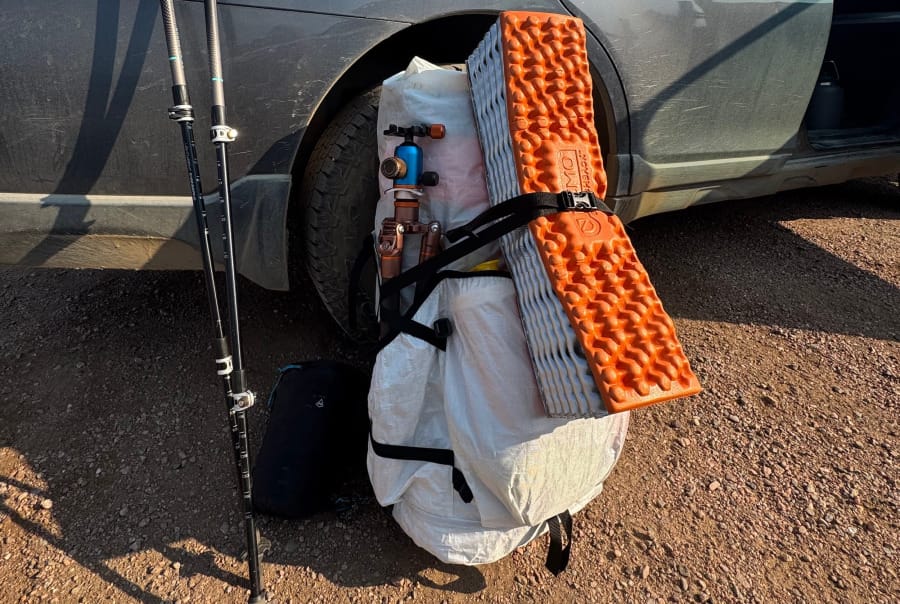
These are useful for keeping frequently accessed items separate from the main compartment, although the Northrim does not provide the extensive on-the-move storage found on some newer backpacking designs.
One limitation of the minimalist layout is that accessing equipment buried inside the main compartment requires opening the roll-top closure and potentially removing other items. Careful packing becomes especially important during trips involving frequent gear changes.
Organization Verdict: The Northrim favors simplicity and durability over extensive organizational features. Backpackers who prefer a streamlined packing system will likely appreciate this approach, while those who value numerous compartments may find it restrictive.
Roll-Top Closure and Weather Resistance
The Northrim 70 uses a roll-top closure, one of the most recognizable features of Hyperlite Mountain Gear backpacks. This design provides several practical benefits.
First, it eliminates the need for a traditional zippered main opening, reducing potential points of failure. Second, the roll-top allows the backpack's effective volume to be adjusted depending on how much equipment is being carried. Finally, it contributes to the pack's overall weather resistance.
Dyneema Composite Hybrid fabrics offer strong resistance to water penetration, and the Northrim incorporates seam taping along its vertical seams and behind sewn-on features. This construction helps protect equipment from rain, snow, and incidental moisture.
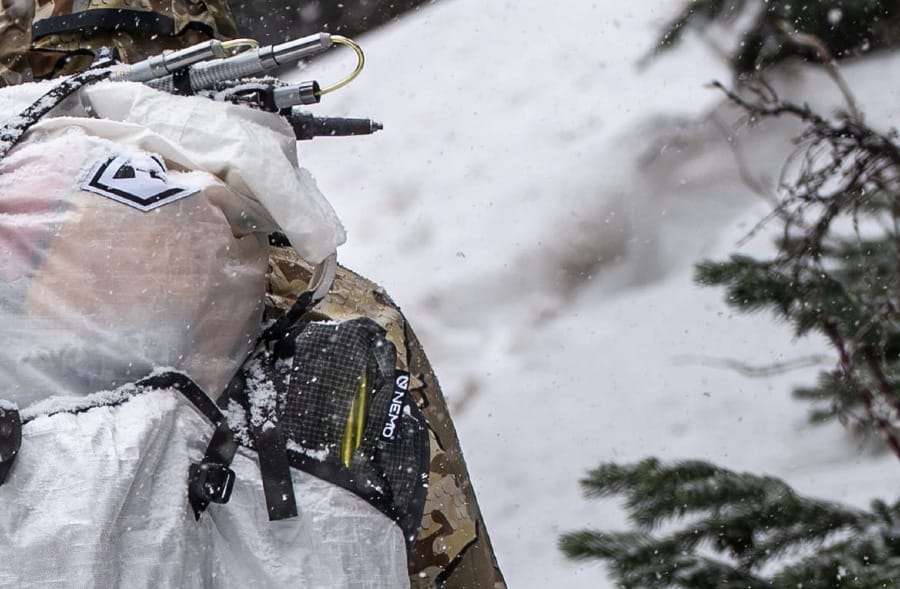
However, the Northrim should not be considered completely waterproof. Water may still enter through closures, stitching, or other vulnerable areas, particularly during prolonged exposure or submersion.
For critical equipment such as sleeping bags, electronics, and insulating layers, waterproof stuff sacks or a pack liner remain sensible precautions. The roll-top closure is also less convenient than a full-panel zipper when accessing equipment at the bottom of the pack. This is a reasonable tradeoff for the Northrim's intended use, but it is worth considering.
Compression System and External Gear Carry
The Northrim 70 incorporates side compression straps and an over-the-top Y-strap system to stabilize equipment and manage the backpack's overall profile. These features are particularly useful when carrying a partially filled 70-liter pack. Without adequate compression, larger backpacks can become cumbersome as their contents shift throughout the day.
The Northrim's compression system helps keep equipment consolidated and closer to the body. The top Y-strap also provides an attachment point for securing additional equipment externally.
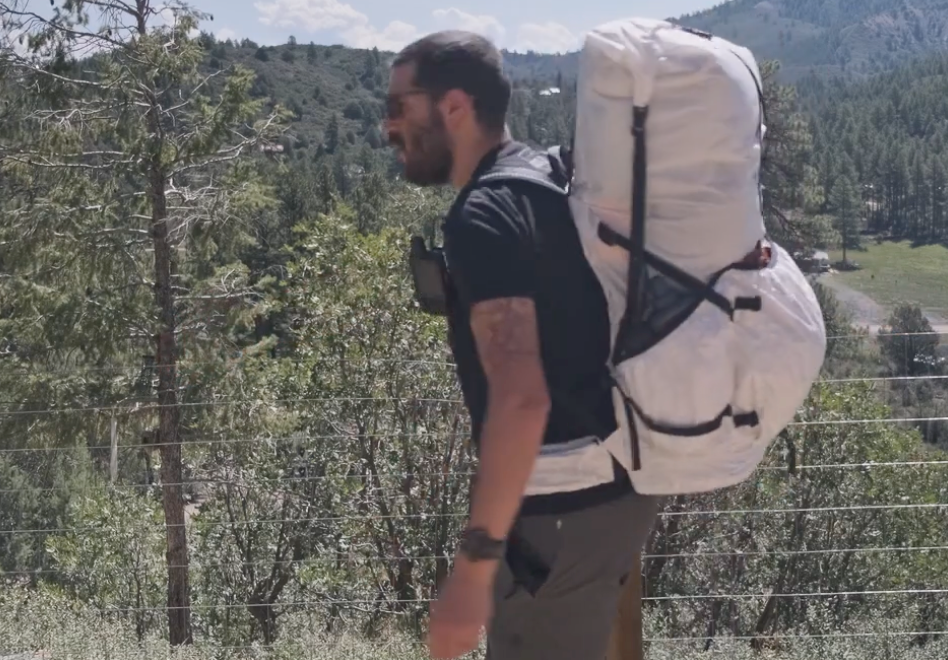
Other features include shoulder-strap daisy chains, accessory attachment points, and an ice axe loop. These additions increase the backpack's versatility without introducing unnecessary complexity.
For extended trips involving variable equipment requirements, the ability to secure gear externally is a meaningful advantage. However, the Northrim is not a dedicated mountaineering backpack with extensive climbing-specific attachment systems. Its primary focus remains rugged backpacking and off-trail travel.
Weight: Surprisingly Light for a 70-Liter Backpack
At 38.6 ounces for a medium, the Northrim 70 weighs approximately 2.41 pounds. For a backpack offering 70 liters of capacity, reinforced exterior materials, and a framed suspension system, that is an impressive figure.
Traditional expedition backpacks with similar capacities can weigh substantially more, particularly when equipped with elaborate suspension systems and organizational features.
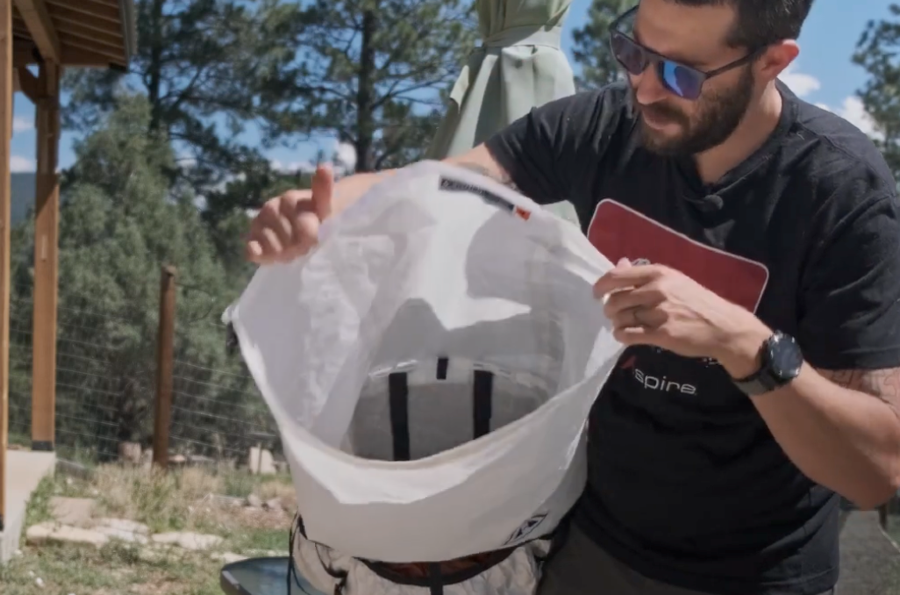
Reducing the weight of the backpack itself can make a noticeable difference over long distances, especially when carrying food, water, and technical equipment. However, the Northrim is not necessarily the lightest choice within Hyperlite Mountain Gear's lineup. Its reinforced construction introduces additional weight compared with packs that prioritize conventional trail use.
For someone who primarily hikes maintained trails, that added durability may offer relatively little benefit. For someone regularly navigating abrasive rock and rugged canyon environments, the weight penalty may be a worthwhile compromise. The Northrim's appeal is not simply that it is lightweight. It is that it offers a compelling balance of low weight, substantial capacity, and abrasion resistance.
How Does the Northrim 70 Perform for Desert Backpacking?
The Northrim's design is especially relevant to the challenges of desert backpacking. Canyon country introduces a unique combination of abrasive rock, exposed terrain, limited water availability, and demanding route conditions. Backpacks frequently encounter sandstone walls, narrow passages, and rough surfaces that can rapidly damage conventional materials. The Northrim's reinforced pockets and bottom panel directly address these concerns.
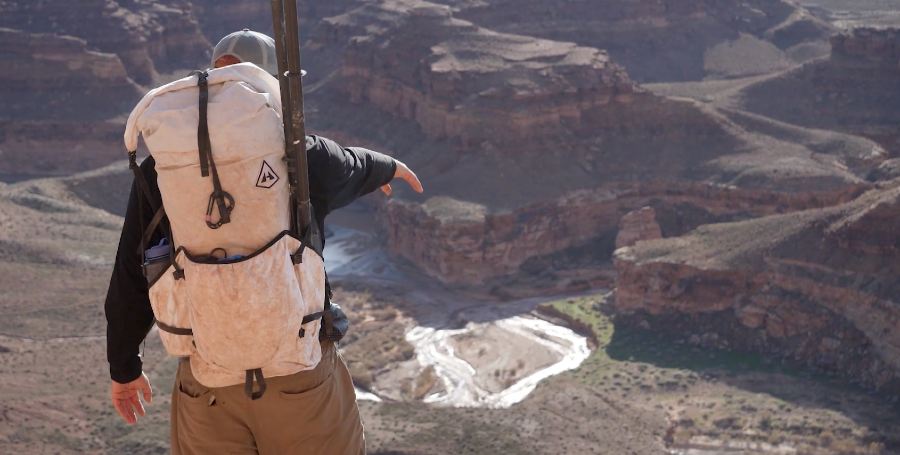
Its generous 70-liter capacity also provides room for additional water and supplies during trips where reliable water sources are limited. This can be particularly valuable in remote portions of the Southwest, where carrying several liters of water may be necessary. However, the Northrim's water-carrying capacity should not be confused with a guarantee of comfort under exceptionally heavy loads.
Water is dense, and even a lightweight backpack can become demanding when carrying large quantities. The relatively limited back ventilation is another consideration for desert travel. During warm conditions, the close-fitting back panel may retain more heat than a ventilated suspension system.
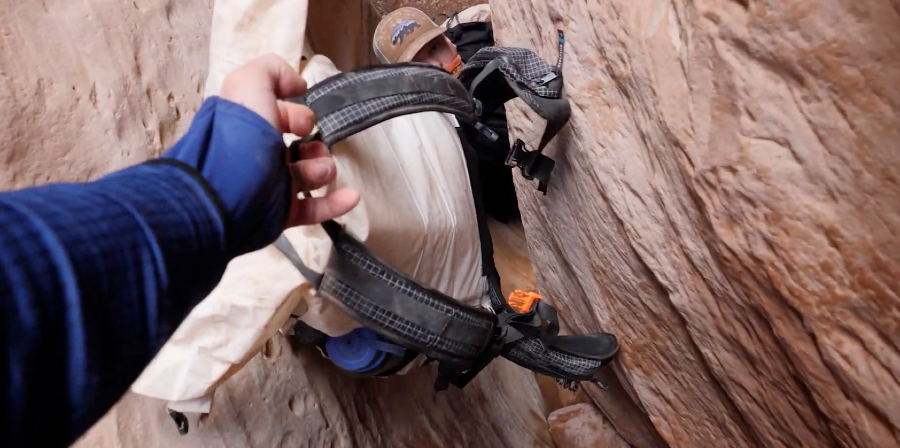
For technical canyon routes and extended off-trail travel, the Northrim's durability-focused construction makes a great deal of sense. For ordinary desert day hikes or short overnight trips on established trails, its capacity and specialized features may be unnecessary.
Hyperlite Mountain Gear Northrim 70 vs. Southwest 70
One of the most useful comparisons is between the Northrim 70 and Hyperlite Mountain Gear's Southwest 70. Both backpacks share the company's minimalist design philosophy, offer substantial carrying capacity, and use durable composite materials.
The primary distinction lies in their intended applications. The Southwest is a versatile backpacking option designed for a broad range of trail and off-trail conditions. The Northrim takes that general concept further by incorporating particularly abrasion-resistant materials in its most exposed areas.
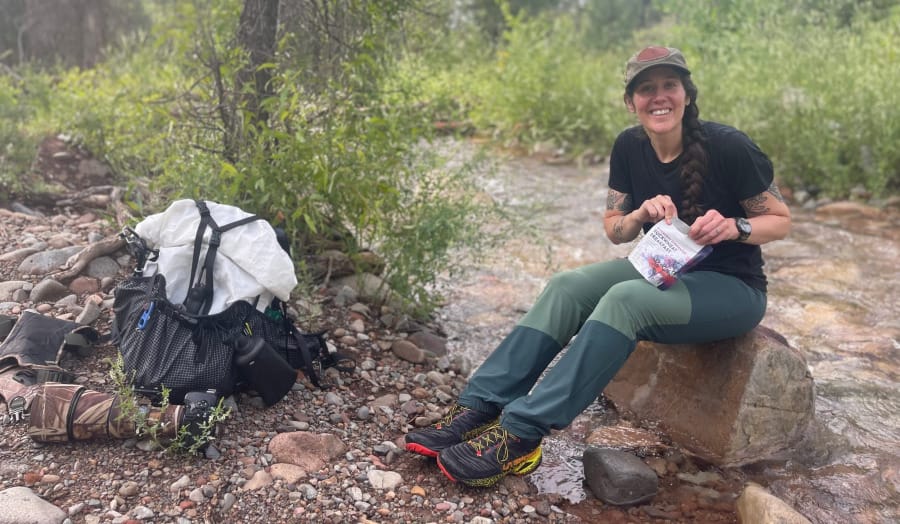
This makes the Northrim a more specialized choice for environments where equipment regularly encounters rough surfaces. For hikers who spend most of their time on maintained trails, the Southwest may provide a more practical balance of weight, durability, and cost.
For those frequently exploring narrow canyons, rocky washes, or challenging off-trail terrain, the Northrim's reinforced construction becomes considerably more appealing. The choice ultimately comes down to how frequently a backpack will encounter the conditions the Northrim was designed to withstand.
Pros and Cons
Pros
- Exceptional abrasion-resistant construction in high-wear areas
- Lightweight design for a 70-liter framed backpack
- Generous capacity for extended wilderness trips
- Reinforced exterior pockets resist snagging and abrasion
- Removable aluminum stays provide structural support
- Roll-top closure offers adjustable capacity and weather resistance
- Compression straps help stabilize loads
- Particularly well suited to rugged canyon and off-trail environments
Cons
- Premium price
- Limited back ventilation
- Minimal internal organization
- Less suspension adjustability than traditional expedition packs
- Roll-top access can be inconvenient
- Reinforced construction may be unnecessary for established-trail backpacking
Who Should Buy the Hyperlite Mountain Gear Northrim 70?
The Northrim 70 is best suited to backpackers who regularly encounter demanding terrain and need a lightweight pack capable of carrying substantial equipment. It is particularly worth considering for:
- Off-trail backpackers navigating rocky, abrasive terrain
- Canyon explorers who regularly encounter sandstone and narrow passages
- Long-distance wilderness travelers carrying extended food supplies
- Desert backpackers who need additional capacity for water
- Experienced ultralight backpackers seeking greater durability without moving to a heavy expedition pack
On the other hand, hikers who primarily follow established trails, travel with relatively compact equipment, or prioritize extensive organizational features may find better value elsewhere.
The Northrim is a specialized piece of equipment, and its strengths become most apparent when the terrain demands them.
Packing It Out: Is the Hyperlite Mountain Gear Northrim 70 Worth It?
The Hyperlite Mountain Gear Northrim 70 occupies an interesting position in the ultralight backpacking market. It combines the simplicity and weight savings associated with minimalist backpacks with reinforced construction intended for some of the most abrasive environments backpackers encounter.
Its 70-liter capacity, removable aluminum stays, and strategically reinforced Dyneema materials make it particularly appealing for extended trips beyond established trails. The design is not without compromises.
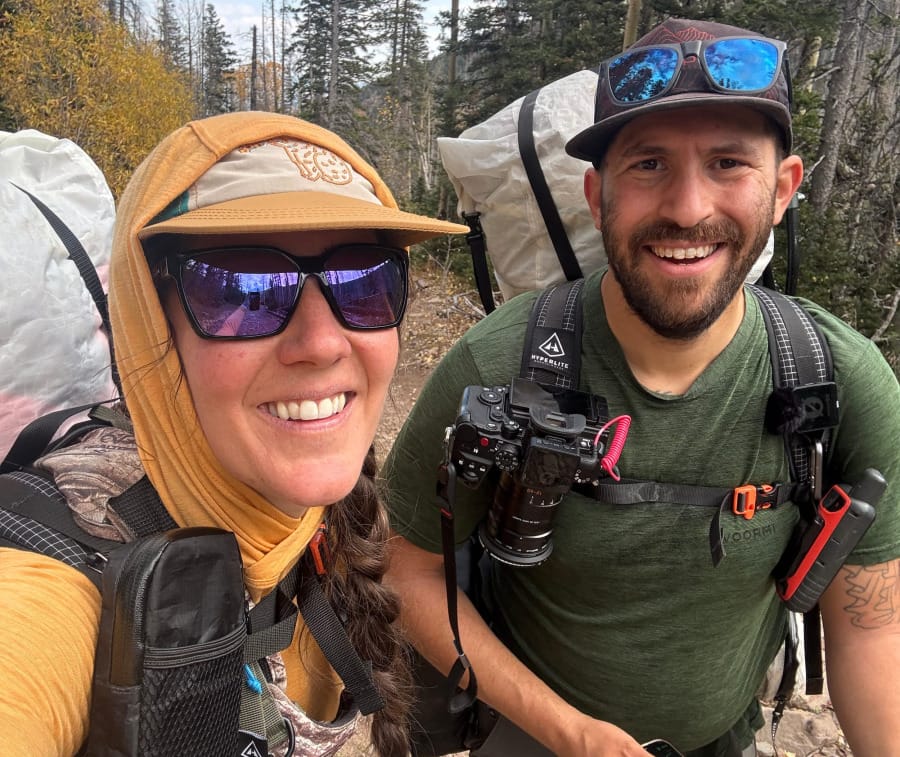
Its minimalist suspension, limited ventilation, basic organization, and premium price may make it less appealing to backpackers who prioritize convenience or spend most of their time on maintained trails. But the Northrim was never intended to be the ideal backpack for everyone. Its greatest strength is its focus.
For backpackers who regularly navigate rugged canyon country, abrasive rock, and demanding off-trail routes, the Northrim 70 offers a compelling combination of durability, capacity, and low weight.
For more conventional backpacking, a lighter or less expensive alternative may be the smarter investment. Ultimately, the Northrim 70 makes the most sense when durability is not simply a desirable feature, but an essential part of the adventure.
Frequently Asked Questions
Is the Hyperlite Mountain Gear Northrim 70 waterproof?
The Northrim 70 uses highly water-resistant Dyneema Composite fabrics, taped seams, and a roll-top closure. However, the complete backpack is not guaranteed to be waterproof. Waterproof stuff sacks or a pack liner are recommended for sensitive equipment.
How much does the Northrim 70 weigh?
The Northrim 70 weighs approximately 38.6 ounces, or 2.41 pounds, in a medium torso size. Actual weight varies with sizing.
How much weight can the Northrim 70 carry?
Hyperlite Mountain Gear rates the Northrim 70 for loads up to 60 pounds. Actual carrying comfort depends on torso fit, load distribution, and individual preferences.
Is the Northrim 70 good for thru-hiking?
The Northrim 70 can accommodate long-distance backpacking trips, particularly those requiring additional supplies or rugged off-trail travel. However, hikers following maintained trails may prefer a lighter backpack with fewer reinforced components.
What is the difference between the Northrim and Southwest backpacks?
The Northrim emphasizes maximum abrasion resistance in high-wear areas through reinforced woven Dyneema materials. The Southwest is a more general-purpose backpacking design suited to a broader range of trail conditions.
Is a 70-liter backpack too large for ultralight backpacking?
Not necessarily. Although many ultralight backpackers use smaller packs, a 70-liter capacity can be valuable for extended trips, winter equipment, specialized gear, or carrying additional food and water. The appropriate capacity depends on the trip and equipment requirements.
Note: This post contains affiliate links. If you make a purchase through these links, we may earn a small commission at no extra cost to you. Thanks for supporting our work!