Why Chicken Tramper Ultralight Gear Is a Favorite Among Ultralight Backpackers
Chicken Tramper Ultralight Gear is a small cottage brand known for handmade ultralight backpacks. In this feature, we explore CTUG’s design philosophy, materials, and why their gear stands out! Plus an interview with founder Austin on building gear for long miles and thoughtful backpackers.
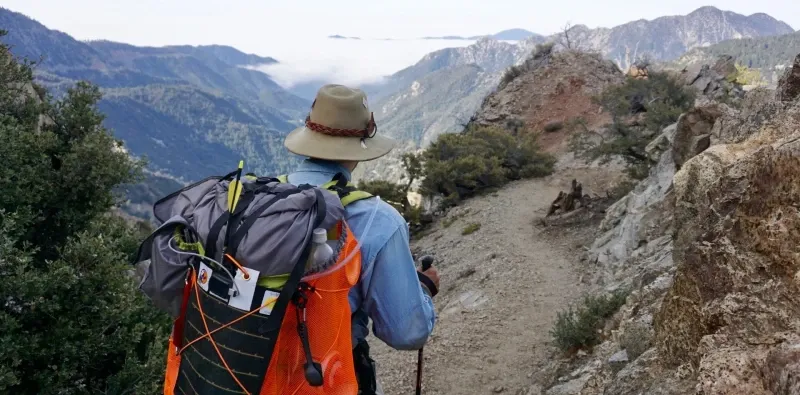
In a world increasingly dominated by mass-produced outdoor gear, Chicken Tramper Ultralight Gear (CTUG) stands out as a true cottage brand success story. Built on the principles of simplicity, durability, and ethical manufacturing, CTUG creates handmade ultralight backpacks and accessories designed for long miles, tough conditions, and thoughtful adventurers.
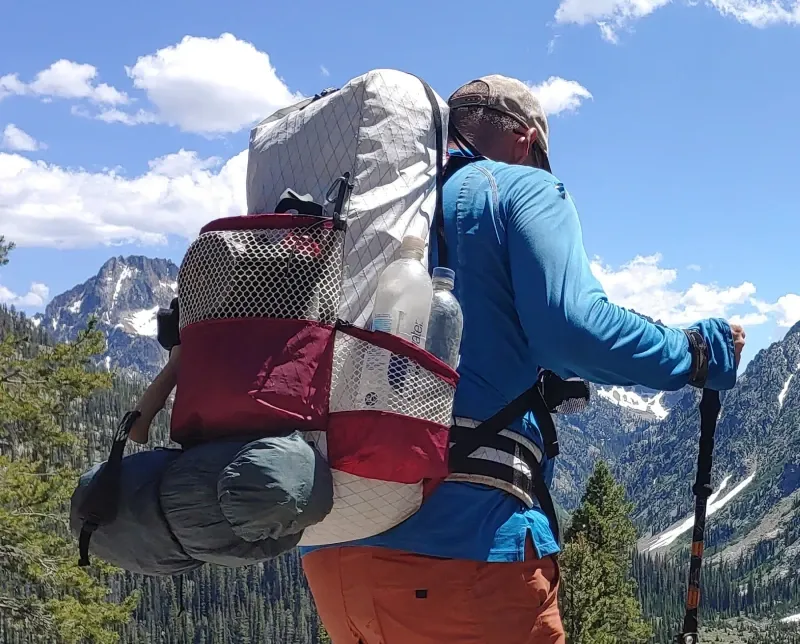
Founded and (mostly) sewn in the USA, Chicken Tramper has earned a loyal following among thru-hikers, fastpackers, and minimalist backpackers who value gear that’s built with intention, not trends.
Who Is Chicken Tramper Ultralight Gear?
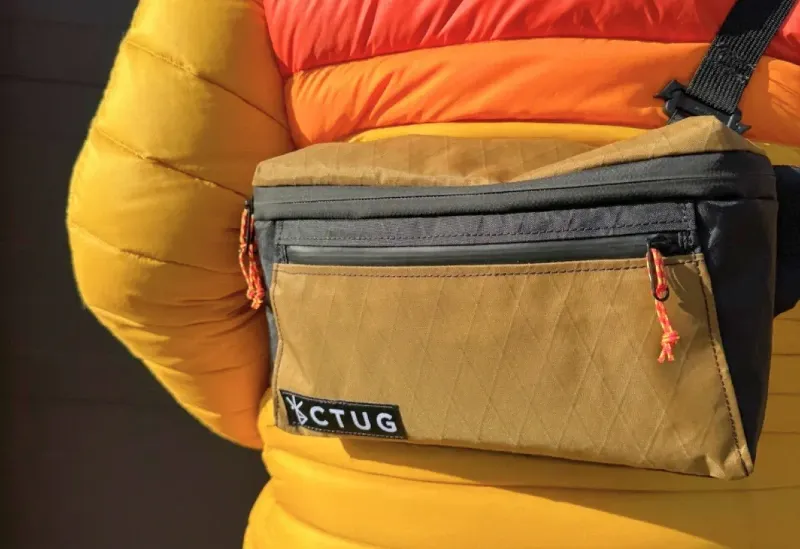
Chicken Tramper Ultralight Gear is a small, independent outdoor gear company specializing in handmade ultralight backpacks, hip packs, and accessories. Every piece of gear is designed with a no-nonsense philosophy: reduce weight without sacrificing durability, comfort, or function.
Rather than chasing flashy features, CTUG focuses on:
- Clean, efficient designs
- Proven materials that hold up under daunting conditions
- Field-tested layouts that actually work on trail
- Gear made by people who actively use it
This approach has made CTUG a trusted name in the ultralight backpacking community.
Handmade, Not Mass-Produced
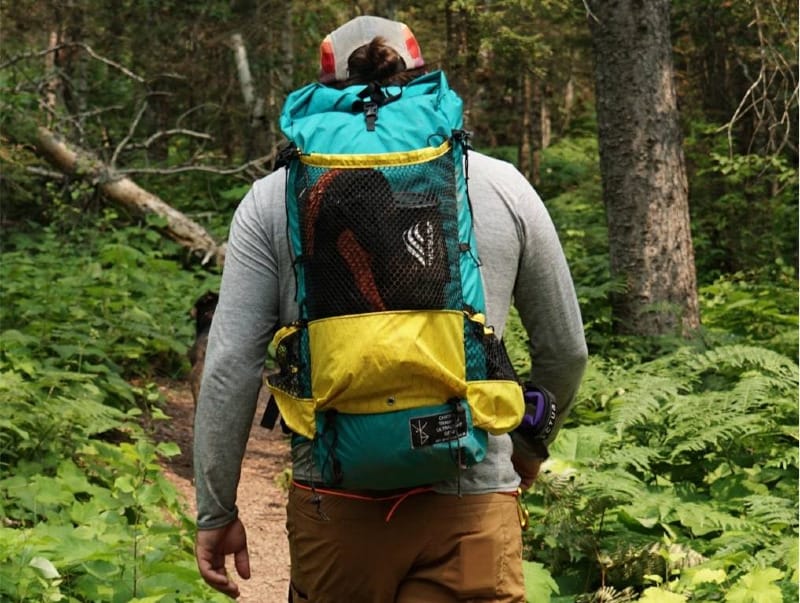
One of the defining characteristics of Chicken Tramper Ultralight Gear is that their products are sewn in small batches. This allows for:
- Better quality control
- More thoughtful design tweaks over time
- A stronger connection between maker and user
When you buy CTUG gear, you’re supporting skilled labor, ethical production, and a brand that prioritizes craftsmanship over scale.
Designed by Backpackers, For Backpackers
CTUG’s gear reflects thousands of trail miles. These packs aren’t built for showroom floors, they’re built for:
- Long days under load
- Harsh sun, wind, and weather
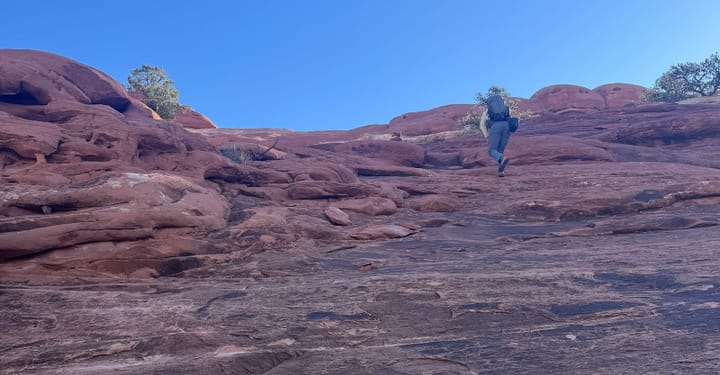
- Scraping past sandstone and granite
- Real-world food carries and water hauls
The result is gear that feels intentional and dialed, not over-engineered.
Materials & Build Philosophy
Chicken Tramper Ultralight Gear uses modern ultralight materials known for strength-to-weight performance, including:
- Durable fabrics for abrasion resistance
- Weather resistance and weight savings
- Reinforced stress points where it matters most
Rather than cutting corners to hit an arbitrary weight number, CTUG designs around longevity and reliability; a critical balance for long-distance hikers.
Who Chicken Tramper Gear Is Best For
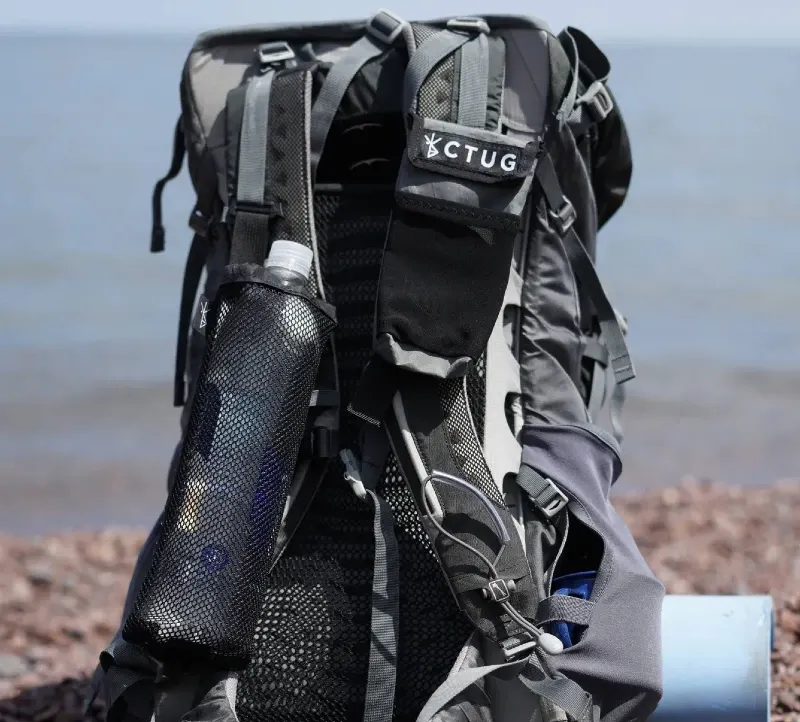
CTUG gear is an excellent fit for:
- Thru-hikers and section hikers
- Ultralight and lightweight backpackers
- Desert and alpine hikers who demand durability
- People who value small brands and ethical manufacturing
If you’re looking for gear that disappears on your back but holds up to real abuse, CTUG consistently delivers.
Interview With A Founder: Our Chat With Austin
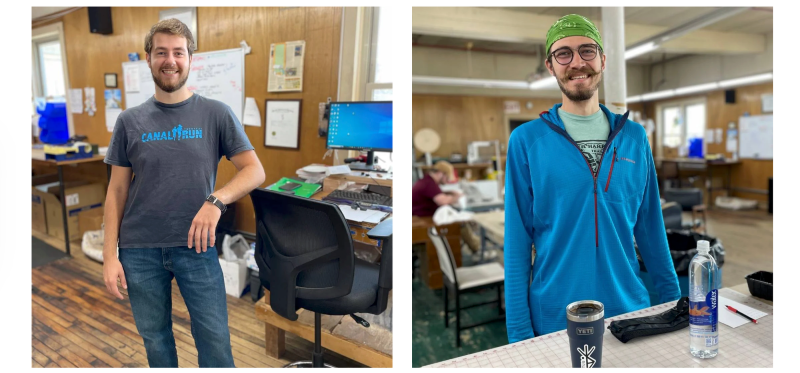
How did Chicken Tramper Ultralight Gear begin, and what problem were you trying to solve when you started the brand?
CTUG began on trail. Nathan, my cofounder, and myself were thru hiking in 2018 with our homemade backpacks. Thru hikers are gear heads so people were interested in our packs and they sparked conversations about the perfect pack; how much does it weigh, what features does it have, what size, what features etc. We saw ultralight packs failing after 600 miles and we saw heavy duty packs weighing more than 4 lbs, there weren’t many in between.
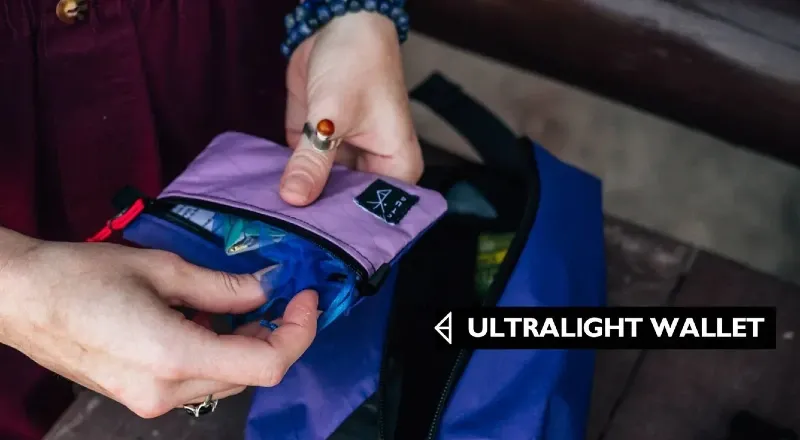
This sparked our design ethos to solve hikers’ problems on trail with gear that perfectly rides the line between lightweight and durable. On top of beginning our designs for the perfect thru hiking pack we also listened to what our friends wanted in terms of accessory items. The Water Bottle Sleeve, Phone Pocket and many more items came from friends of ours mentioning they’d like a product to function in a certain way, then we got to work iterating on our designs and sending them out for testing.
Where did the name Chicken Tramper come from, and what does it represent to you?
The name Chicken Tramper Ultralight Gear came about after a bunch of brainstorming sessions. We had designs and prototypes ready to sell but needed a name for the business to get the website going. We’re engineers, not creatives, so we threw a bunch of words at the wall to see what stuck.
The chicken comes from an inside joke in college, the symbol was first drawn in the 80s by a friend of ours, Dan Lorentz, when he was in college and in the same fraternity Nathan and I joined and where we met. The word “chicken” came with a logo (Dan was all for it!) and chickens are hardy animals, cool little bird dinosaurs!
Tramper came from the group chat with our Tramily, it’s a word used in New Zealand for backpacking and we liked the sound of it. We threw it all together and ran with it. At first it was just a name but upon reflection it really does reflect our culture here at CTUG - we don’t take ourselves too seriously, but we do take our gear seriously.
What drew you to creating ultralight gear specifically?
Creating any product without any design constraints isn’t challenging. Trying to find something with mass market appeal without the constraints of durability and lightweight isn’t as interesting as creating durable, ultralight gear. The constraints create problems that have to be solved during the design process.
The same can be said for manufacturing in the US. Our systems have to be so dialed in to compete with those manufacturing overseas. We just found a partner in Vietnam to manufacture our Water Bottle Sleeves to our standards and actually lowered the price on the VT made version because the margins allowed us to.
Chicken Tramper is known for made-to-order and customizable gear. Why was that important to you from the start?
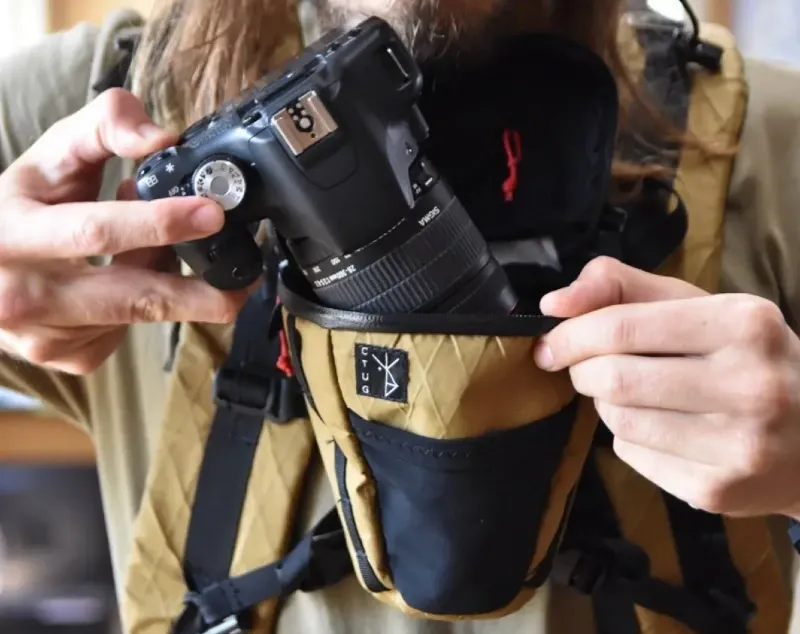
Everyone is different! A “medium” backpack might fit someone’s torso well, but the hip belt will be too big. We have our customers send us their waist measurement, torso measurement, desired volume and color options then make a backpack specifically for them. Or for our Custom Camera Bags we get even deeper, our customers send us 4 measurements of their camera and then we use our CAD program to create a bag that fits like a glove and attaches to their pack in the exact way they want it to.
Even when our products don’t have different sizing, we love that our customers can select a color to express themselves on trail in either vibrant or muted colors, whichever they prefer. So many companies only offer black or white, maybe grey. Or some of the bigger brands assume all women love purple and teal while men only want black or brown. We love that our customers get choice in the matter.
How do you approach balancing ultralight design with long-term durability?
Sacrifice. There will always be a give and take when balancing weight and durability. Proper engineering design and construction go a long way as an advantage here but there comes a point where the product will either weigh a few extra ounces or fail a few thousand miles earlier. We want our customers to buy our gear once and have it last a lifetime (or a triple crown).
What role does real-world field testing play in your design process?
Real world field testing plays a huge role in our product development. We are avid hikers/backpackers and use our gear everyday. We backpack in the Upper Peninsula where we live and it’s the perfect playground to field test the gear. We also know we don’t have time to put thousands of miles on our gear right now so we also send gear to field testers to get longevity testing done. We have one pack tester who has put 6,000+ miles on our packs to make sure they last as long as we design them for. We have them send us the pack every few thousand miles to check on the wear points and make design changes accordingly. We then fix the pack up and send it back out to see what the next failure point might be.
How has direct feedback from customers influenced the evolution of your gear?
We love hearing from our customers. We listen to their feedback and are more than open to making changes to the gear. This is one of the benefits of being a small business, we can pivot and make changes without having to burn through thousands of units of old stock before the change goes into effect.
Sustainability and thoughtful production matter to a lot of outdoor users right now. How does CTUG approach responsible manufacturing?
We’re very mindful of our footprint and use technology like our cutting table to reduce waste. We’re also careful to source our materials from domestic suppliers to reduce the footprint of shipping our materials into the shop.
We’re also looking into some of the newer materials that are used with recycled materials rather than our current fabric which is carbon neutral due to carbon offsets. The decision to make changes like this is super difficult…the choice to move from a proven material to one that might fail is a big deal. We’d prefer to keep gear out of the landfill by making it last longer rather than risk a “greener” material that will fail and end up in the trash sooner.
What’s a common misconception people have about small or cottage-industry gear brands?
Many people think that cottage industry brands are bigger and have more capabilities than we do. We are not Amazon, we are a small 6 person team in the middle of nowhere Michigan just doing our best. We ship out orders the day they’re placed but they aren’t going to reach you in a day or two because we don’t have warehouses fulfilling our orders all over the place.
Is there a particular piece of Chicken Tramper gear that best represents your design philosophy?
I could answer this question with almost every piece of gear we have, but I’ll answer with the Bear Can Key. If anyone reading this has ever tried opening a BearVault Bear Can they’ll understand how a tool so small and simple can be life changing. We’ve had hikers approach us at PCT Days telling us that they can finally hike safely again because of this tool. It’s just a sleek 3D printed tool designed to make opening the BearVault much easier.
How has the ultralight backpacking community shaped the direction of the brand?
We’re always listening to the community and interested in the direction they’re going. There will always be a spectrum of UL Backpackers and I’m on the heavier side. I’m aware that there are people with sub 10 lb baseweights who would never buy a single product from us. There are many more people though that use “ultralight” as a mindset for whether they can justify bringing this or that on their trek. These people believe improved safety or function is worth a few more ounces.
What challenges have you faced growing a small, independent gear company that might be surprising?
It’s not enough to make the best product. It’s not even enough if you patent that product. Bigger brands can steal your ideas and a patent is only as powerful as the capital behind enforcing it. If you can’t get your product to market and in front of enough eyes, it won’t matter. Another company with a better marketing arm will sell more of your product idea and there’s nothing to do about it.
What advice would you give to someone interested in starting their own outdoor gear brand?
Be ready for the most difficult yet rewarding road of your life. You will need to learn gear design, prototyping, marketing, accounting, managing, etc. The best way to do it would probably be to get some capital up front and go straight to outsourcing. Make sure the design has been tested but it’s getting harder and harder to compete as a USA made company and the market might say they want that, but they generally won’t pay for it.
What keeps you motivated to keep building and refining gear year after year?
The joy of seeing people on trail using our gear is incredible. The satisfaction after designing, testing, prototyping and iterating on that design is really great. One of the biggest joys though is that we are able to employ people in our small town of Hancock, MI and our dream is to be able to offer even more skilled jobs to our community in the future.
Looking ahead, what’s next for Chicken Tramper Ultralight Gear?
Who knows!? That’s the exciting part. We started running guided trips to Isle Royale for first time backpackers and I can’t wait to expand that side of the business. We’re also going to absorb Quest Outfitters this spring, a company that sells materials for people that make their own gear at home - DIY/MYOG people. And we’re super thrilled with our new Vietnam partner and hope to purchase more of our products from them moving forward so our team has more time to make the custom gear here in house. Everyday is a new adventure here at CTUG and we’re excited to see what the future holds.
Packing It Out
Chicken Tramper Ultralight Gear is more than just another ultralight pack brand. It’s a reflection of what happens when hikers design for hikers; prioritizing function, durability, and ethics over hype.
If you care about where your gear comes from, how it’s made, and how it performs when things get hard, CTUG is absolutely worth your attention.
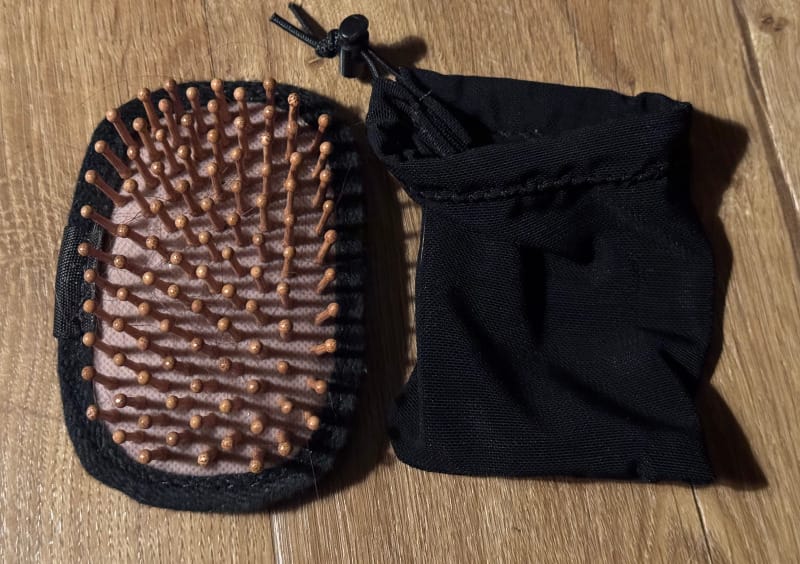
Be sure to check out our review of the Hiker Hairbrush, and the Switchpack!
This article is independent of the supplier and reflects my own opinions. Some of the links on this page are affiliate links, which means I may receive a small commission if purchases are made through those links at no additional cost to you.