All About HIMALI: Mountain Gear Rooted in Purpose
HIMALI creates technical mountain apparel shaped by real alpine experience and rooted in purpose. This article explores the brand’s design philosophy, mission, and commitment to supporting mountain communities, along with a Q&A offering insight straight from the HIMALI team.
Some outdoor gear is built to sell an image. Other gear is built because someone needed it to exist. HIMALI belongs firmly in the second category.
HIMALI designs technical mountain apparel for cold, demanding environments. Places where weather shifts quickly, movement matters, and gear failure isn’t an option. But performance alone isn’t the full story. From the beginning, HIMALI has tied its identity to purpose: supporting mountain communities, investing in education, and building long-term relationships with the places that inspire their gear.
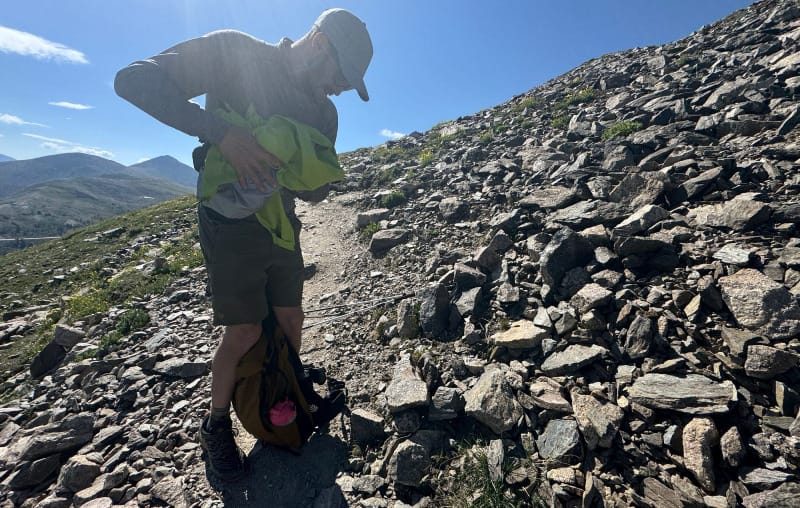
This is apparel shaped by real mountain experience, designed with restraint, and backed by values that extend far beyond the product itself.
A Brand Shaped by the Mountains
HIMALI was founded by climbers and mountain travelers who understood both the beauty and the severity of high places. Their goal was never to chase trends, but to create reliable, thoughtfully designed gear that performs in alpine environments while honoring the cultures and landscapes connected to those mountains.
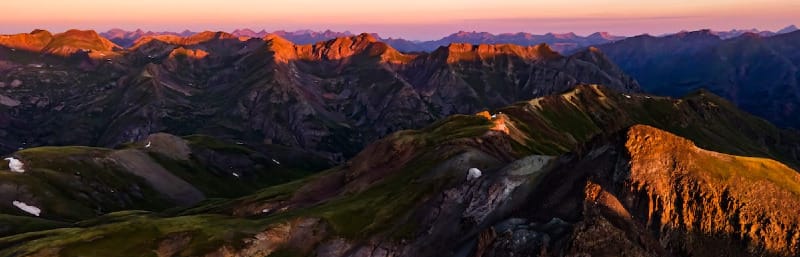
Central to HIMALI’s mission is its long-standing commitment to education initiatives in Nepal, including scholarship programs that support students from Himalayan communities. This isn’t a side project or a seasonal campaign, but rather part of the brand’s foundation and long-term vision.
In an industry where “giving back” is often reduced to marketing language, HIMALI’s approach feels intentional, consistent, and deeply rooted.
Design Philosophy: Purpose Before Excess
HIMALI’s gear reflects a clear design philosophy: everything should earn its place.
Their apparel emphasizes:
- Warmth without unnecessary bulk
- Clean, functional construction
- Articulated fits that allow technical movement
- Materials chosen for durability and real-world performance
There’s a quiet confidence in HIMALI’s design language. Nothing feels overbuilt or ornamental. These are pieces meant to integrate seamlessly into a layering system, whether you’re climbing, backpacking, ski touring, or moving through cold mountain terrain.
How HIMALI Gear Feels in the Field
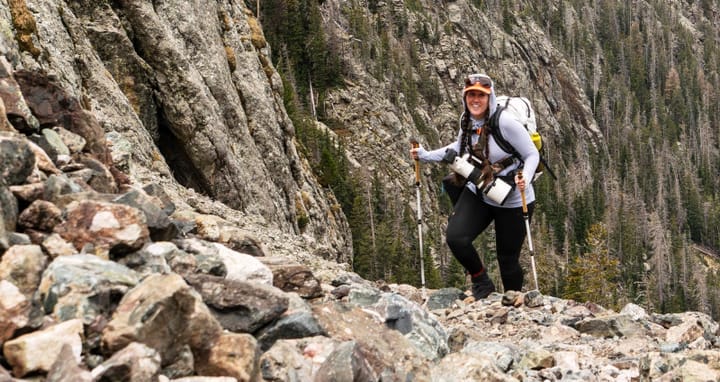
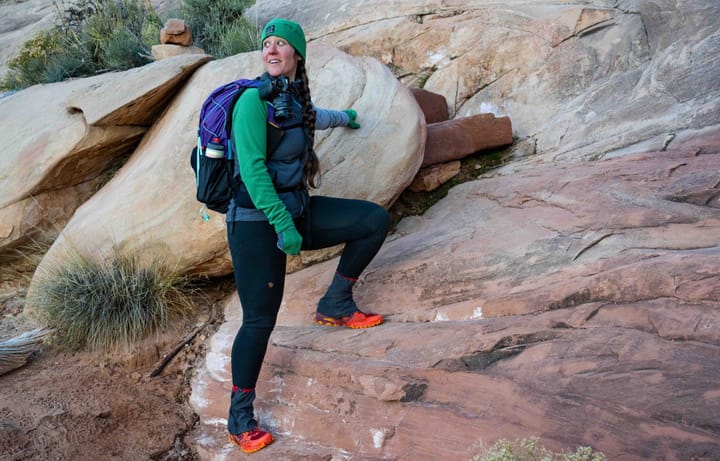
HIMALI’s fit tends to be athletic (slim) and practical (easy to layer), allowing for freedom of movement without excess fabric. Articulation is noticeable in the shoulders and arms, and their insulation layers layer cleanly under shells without feeling restrictive.
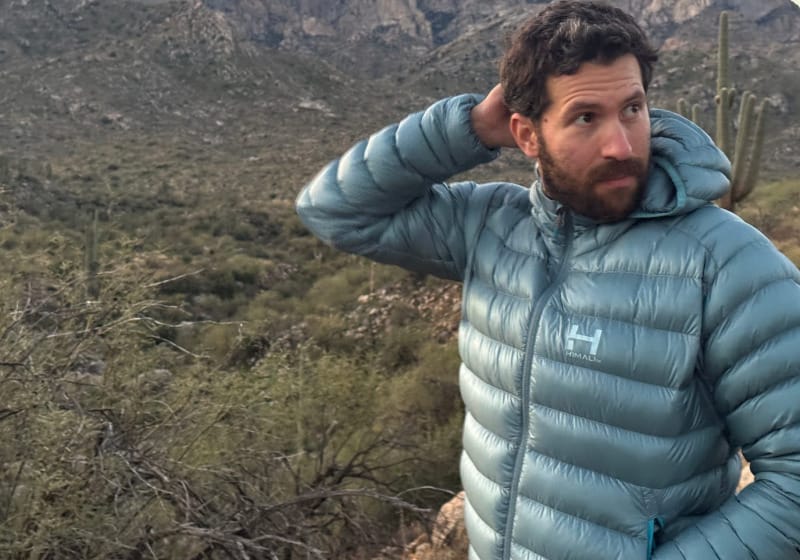
For those who regularly spend time in alpine or shoulder-season conditions, HIMALI offers a compelling alternative to larger, more commercial outdoor brands; especially for people who value function, restraint, and longevity over trend-driven design.
Q&A With HIMALI
The following interview features Dave Schaeffer, co-founder of HIMALI. In this Q&A, he discusses the brand’s mission, design process, and the role Himalayan communities play in shaping both the gear and the company’s long-term vision.
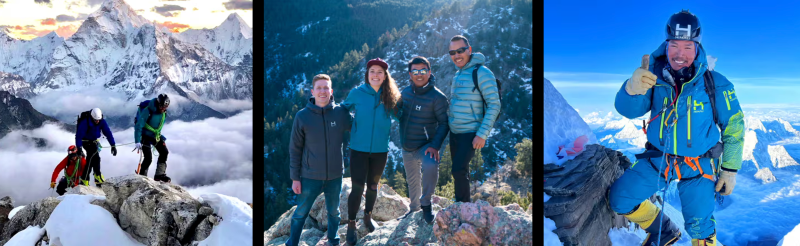
Let’s start with your origin story! How did HIMALI come to be? Was there a particular moment that sparked the idea?
When Tendi & I met at the basecamp of Aconcagua in 2014, we really hit it off. There are a lot of little moments that come together when you want to do something big, and for me, meeting Tendi really helped to give shape to something I had been dreaming about for awhile.
How do you test or field-use the products before they hit the market?
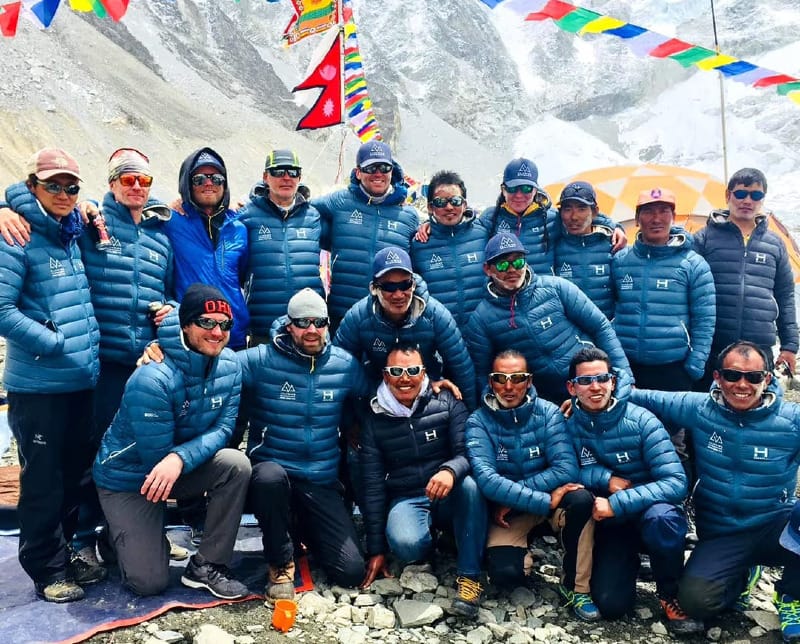
It is a combination of working with quality suppliers that have the highest standards and tests for their materials, ensuring that we are starting off with really incredible “ingredients”. (Sidenote: it took me 13 months to select the fleece fabric we use to make our Endeavor Fleece). Our prototypes are heavily tested (sometimes for multiple years before release) and often in the Himalaya and on 8000 meter peaks, including Everest and K2.
HIMALI works closely with elite athletes and Himalayan guides. What’s that collaboration process like, and how does their feedback shape your designs?
It’s a dynamic process that usually starts with designing products based on feedback and needs we hear from our athletes & guiding partners. Many of them have a lot of experience, not only with what works well for them, but also what does not work well on the mountain. There is a long list of products that are still living in between an idea and a finalized prototype! Once we have a prototype in hand, we send it out to the mountains to make sure it performs the way that we need it to. It can be a lengthy process, but when you rely on your gear in potentially life threatening situations, we want to make sure we are putting in our reps before bringing a product to market. Also, our design process is performance based and not fashion based. This allows us to tweak small details and revise currently available styles over and over each season to make the very best gear possible. I sometimes like to think of product development like iPhone revisions…we make what we already have even better.
The brand name nods to the Himalayas; how does that region influence HIMALI's mission and values today?
Our Himalayan roots are at the core of what we do and informs every decision that we make. From the very start we have been focused on making high performing gear that you reach for when the stakes are high & giving back to the Himalayan mountaineering community. These are still our guiding principals today. We also donate 5% of our net proceeds to support education initiatives and other philanthropic efforts in rural Nepal.
Can you tell us about a piece of gear in your lineup that you’re especially proud of, and why?
It is hard to pick a favorite piece of gear when you work closely on all of it. Honestly, it changes from time to time and also back and forth but my current favorite is our Endeavor Fleece Hoodie.
A lot of outdoor brands talk about sustainability. How does HIMALI approach responsibility when it comes to the environment and the communities you work with?
Making gear uses resources, plain and simple. We don’t want to be hypocritical when we look to find a balance of creating gear that helps enrich the lives of those who use it, while doing our best to be environmentally responsible. We know we are not perfect but as mountain athletes, we have developed a deep connection to the natural world and want to do everything in our power to maintain standards that support that standpoint. Everything we do has an impact. We work hard to ensure that we treat people & the planet with respect.
-Offering to repair gear, or help customers find a repair facility, if they damage their gear
-Creating high quality products that don’t need to be replaced often (while we also love the aesthetics of the gear, we design based on performance, not fast fashion)
-Reusing boxes & packaging materials at our shop
-Choosing eco friendly & recycled packaging materials
-Choosing more eco friendly materials for our products whenever possible
-Partnering with organizations & suppliers that share our values of creating both high performing & eco friendly gear
As a founder, what has been one of the most unexpected lessons you’ve learned while building an outdoor gear company?
Building brand recognition was a long and difficult process. Demand just wasn’t there yet in the early days. We didn’t start with a bunch of family or VC money for product development, marketing/advertising, and staffing. Our initial product line was very limited. We got our start on Kickstarter, and that has made building the brand a community oriented, stepping stone process the entire way though, and I think we are stronger because of it. It has also been way more rewarding seeing the gear “out in the wild” than I ever anticipated. Ironically, running an outdoor startup means I don’t get to spend as much time outside as I would like, but seeing the community wearing the gear out on adventures brings me a huge amount of enjoyment and pride. It’s one of the most rewarding parts about what we do.
And finally, what’s next for HIMALI? Any upcoming projects, collabs, or gear innovations you're excited about?
We continue to grow, to create new products that we are excited about, and to build our community. We have some fun upcoming collaborations & products, but they are not quite ready to be released yet. Maybe we will come back with an update for you in the next few months!
Why We Love HIMALI
HIMALI occupies a rare space in the outdoor industry. One where technical credibility and ethical responsibility genuinely coexist. The brand’s work supports mountain communities while producing gear capable of standing up to the environments that inspired it.
For those who care not just about how gear performs, but about what it represents, HIMALI offers something meaningful: equipment built with intention, shaped by experience, and connected to a broader purpose.
Packing It Out
HIMALI isn’t trying to be everything to everyone. Instead, it focuses on doing a few things well; creating dependable mountain gear and using its platform to support the people and places that make those mountains possible.
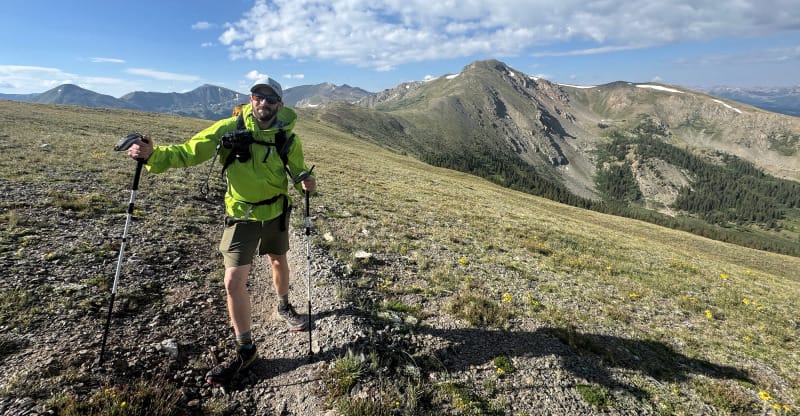
If your adventures lead you into cold, exposed, or high-elevation terrain, and you value brands that operate with clarity and care, HIMALI is well worth your attention.
This article contains affiliate links, which help fund Southwest Hikes. When you click on the links to purchase the gear we get a small commission that goes a long way to creating guides, gear reviews, and content.