Best Hiking Sunglasses of 2026: Trail-Tested Picks for Every Adventure
Looking for the best hiking sunglasses of 2026? We compare top models from Ombraz, Smith, Julbo, Wiley X, Vuarnet, Pit Viper, and Knockaround to help you find the perfect pair for your next adventure.
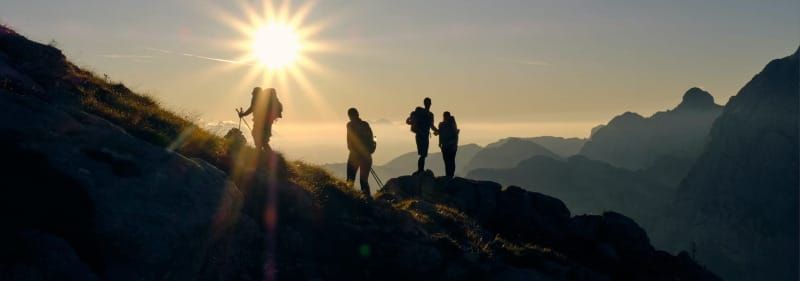
Whether you're hiking through Arizona's Sonoran Desert, climbing above treeline in Colorado, or backpacking for days at a time, a good pair of hiking sunglasses is one of the most important pieces of gear you can carry.
The best hiking sunglasses do far more than block sunlight. They reduce eye fatigue, improve visibility on bright trails, protect your eyes from harmful UV radiation, and make long days outdoors significantly more comfortable. From exposed desert ridges to snowy alpine passes, the right sunglasses can help you hike farther and see more comfortably.
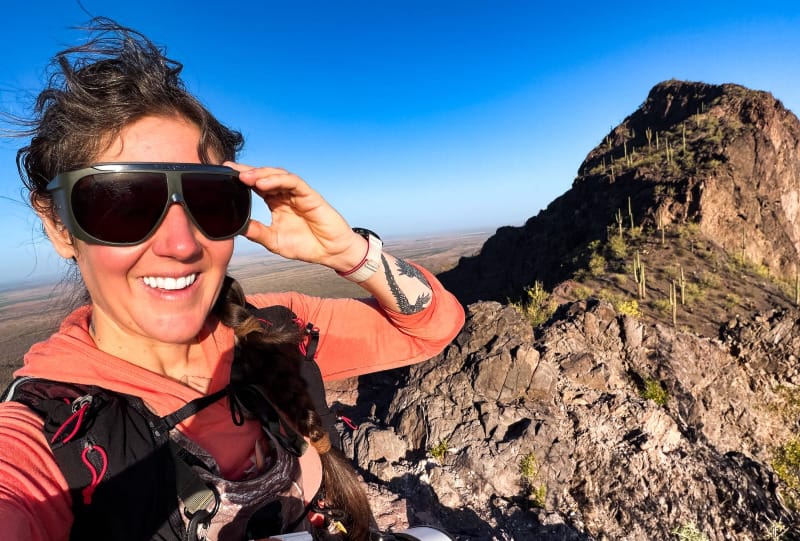
After years of hiking throughout Arizona, Colorado, and the greater Southwest, I've learned that no single pair of sunglasses is perfect for every adventure. Some excel in harsh desert glare. Others shine in alpine environments where side protection becomes essential. Some prioritize comfort for all-day backpacking trips, while others focus on maximum coverage and durability.
For this guide, I looked at some of the best hiking sunglasses available in 2026, including models from Ombraz, Smith, Julbo, Wiley X, Vuarnet, Pit Viper, and Knockaround.
Quick Picks
| Category | Sunglasses |
|---|---|
| Best Overall | Smith Guide's Choice |
| Best for Desert Hiking | Ombraz Azzuro |
| Best Budget Option | Knockaround Fast Lanes |
| Best Alpine Sunglasses | Vuarnet Altitude 01 |
| Best Traditional Hiking Sunglasses | Julbo Camino |
| Best Protection | Wiley X Alpine |
| Best for Fast Hiking & Trail Running | Pit Viper Revlock |

How We Evaluate Hiking Sunglasses
When choosing hiking sunglasses, I focus on several key factors:
- Optical clarity
- UV protection
- Comfort during long hikes
- Coverage and glare reduction
- Weight
- Ventilation
- Durability
- Overall value
Many of these models are designed for different environments. Hiking in Arizona often means dealing with intense sunlight, reflective rock surfaces, and long periods of exposure. Mountain hiking presents different challenges, including snow glare, strong winds, and changing weather conditions.
The best hiking sunglasses should perform well across a variety of environments while remaining comfortable enough to wear for an entire day on trail.
What to Look for in Hiking Sunglasses
UV Protection
Every pair of hiking sunglasses should provide 100% UVA and UVB protection. Prolonged exposure to ultraviolet radiation can contribute to long-term eye damage, making proper protection essential during outdoor activities.
Polarized vs. Non-Polarized Lenses
Polarized lenses reduce reflected glare from surfaces such as water, rock, sand, and pavement. For most hikers, polarized lenses are an excellent choice because they improve comfort and reduce eye strain. However, some photographers and navigators prefer non-polarized lenses because they allow easier viewing of screens and certain reflective surfaces.
Lens Color
Choosing the right lens color can improve comfort and visibility on the trail. While all quality hiking sunglasses provide UV protection, different lens colors affect contrast, brightness, and how terrain appears.
Gray Lenses
Gray lenses reduce overall brightness while preserving natural colors. They're one of the most versatile choices for hiking and perform especially well in bright, sunny conditions.
Brown & Copper Lenses
Brown and copper lenses enhance contrast and depth perception, making rocks, roots, and uneven terrain easier to see. They're often considered the best all-around hiking lens colors.
Green Lenses
Green lenses offer a balance between natural color reproduction and improved contrast. They work well across a variety of environments.

Blue Lenses
Blue mirror lenses help reduce intense glare and eye fatigue in bright environments. They're particularly popular for desert and alpine adventures.
Red & Rose Lenses
Red and rose lenses boost contrast and depth perception while helping terrain features stand out more clearly.
Yellow & Amber Lenses
Yellow and amber lenses brighten the environment and improve visibility in low-light conditions.
Photochromic Lenses
Photochromic lenses automatically adjust to changing light levels, becoming darker in bright sun and lighter in the shade.
Coverage
One of the biggest mistakes hikers make is choosing sunglasses with insufficient coverage. Wraparound designs help block sunlight from entering around the sides of the frame. This becomes especially important in open desert environments and above treeline.
Ventilation
Ventilation helps reduce fogging during climbs and hot-weather hiking. Many performance-oriented hiking sunglasses incorporate vents or frame designs that improve airflow without sacrificing protection.
Weight
When wearing sunglasses for eight or ten hours at a time, every ounce matters. Lightweight frames often provide better comfort during backpacking trips and long day hikes.
Best Overall Hiking Sunglasses: Smith Guide's Choice
The Smith Guide's Choice remains one of the best hiking sunglasses available in 2026.
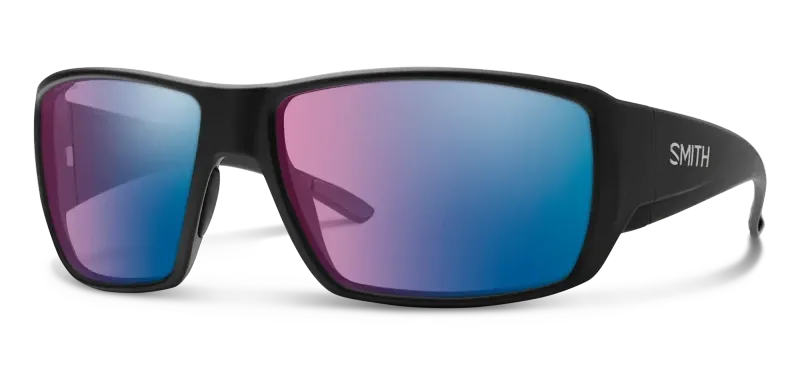
Originally developed with anglers in mind, these sunglasses have become a favorite among hikers thanks to their outstanding coverage, premium optics, and all-day comfort. The wraparound design helps block peripheral light while maintaining a comfortable fit.
Smith's ChromaPop lenses continue to be among the best available. Colors appear vibrant without looking unnatural, and trail features stand out with impressive clarity. I especially appreciate the Guide's Choice for desert hiking, where glare from rock, sand, and open terrain can quickly become exhausting.
Pros
- Exceptional ChromaPop optics
- Excellent side coverage
- Comfortable for long hikes
- Premium build quality
Cons
- Expensive
- Slightly heavier than minimalist options
Best for Desert Hiking: Ombraz Azzuro
The Ombraz Azzuro has become one of my favorite hiking sunglasses for Arizona adventures.
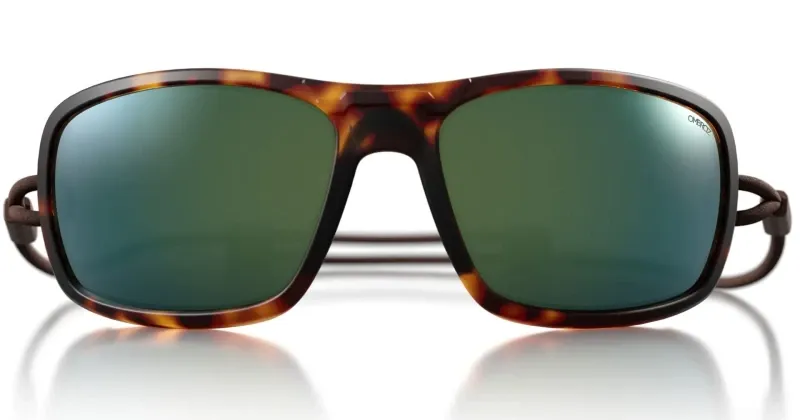
Unlike traditional sunglasses, Ombraz eliminates the arms entirely and replaces them with an adjustable cord system. While this takes a little getting used to, the result is one of the most secure and comfortable sunglasses designs available.
The Azzuro frame works particularly well for hiking because it stays put regardless of terrain. Whether climbing steep trails, scrambling over rocks, or wearing a hat, the fit remains remarkably stable. Perhaps the biggest advantage is comfort. Without traditional arms pressing against your head, it's easy to forget you're even wearing them.
Pros
- Extremely comfortable
- Secure retention system
- Excellent for desert hiking
- Lightweight design
Cons
- Adjustment period for new users
- Unique design may not appeal to everyone
Best for Fast Hiking: Pit Viper Revlock
The Pit Viper Revlock combines aggressive styling with surprisingly strong trail performance.
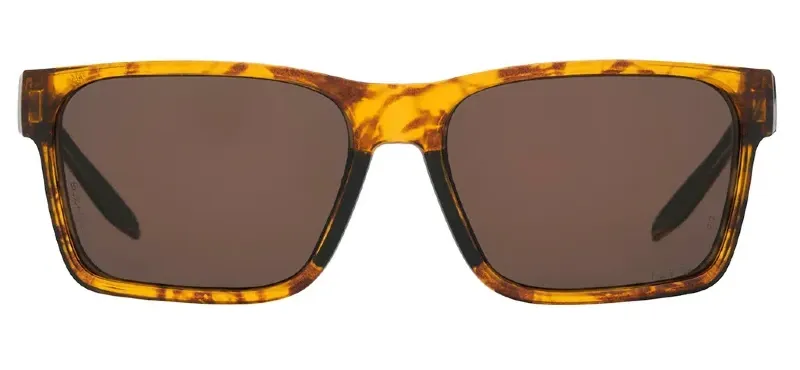
The oversized shield lens provides an expansive field of view while protecting against wind, dust, and sunlight. Ventilation is excellent, making the Revlock particularly attractive for trail runners, fastpackers, and hikers who move quickly through challenging terrain. Despite their bold appearance, these sunglasses perform exceptionally well in real-world outdoor environments.
Pros
- Huge field of view
- Excellent ventilation
- Lightweight design
- Secure fit
Cons
- Distinctive style isn't for everyone
Best Alpine Sunglasses: Vuarnet Altitude 01
When maximum optical clarity is the goal, few sunglasses can match the Vuarnet Altitude 01.
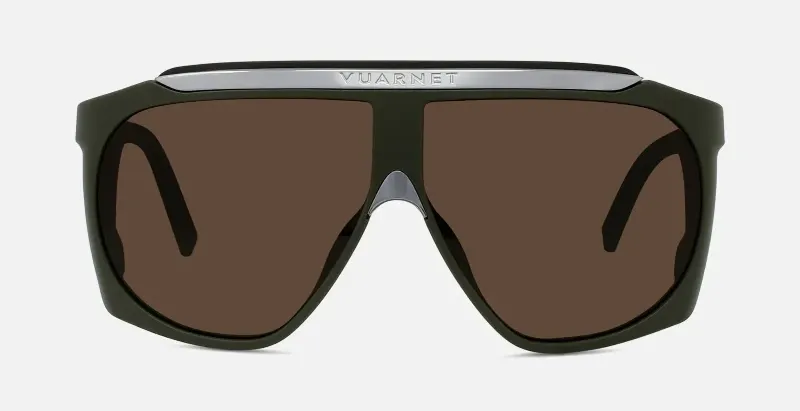
These sunglasses draw inspiration from traditional mountaineering designs while incorporating modern materials and construction. The mineral glass lenses deliver extraordinary clarity and scratch resistance.
If your adventures regularly take you above treeline, onto snow-covered terrain, or into environments with intense reflected light, the Altitude 01 is difficult to beat. The removable side shields also provide additional protection when conditions become particularly bright.
Pros
- Incredible optical quality
- Excellent side protection
- Premium construction
- Exceptional durability
Cons
- Higher price
- Heavier than polycarbonate alternatives
Best Protection: Wiley X Alpine
The Wiley X Alpine is designed for hikers who prioritize durability and protection above all else.
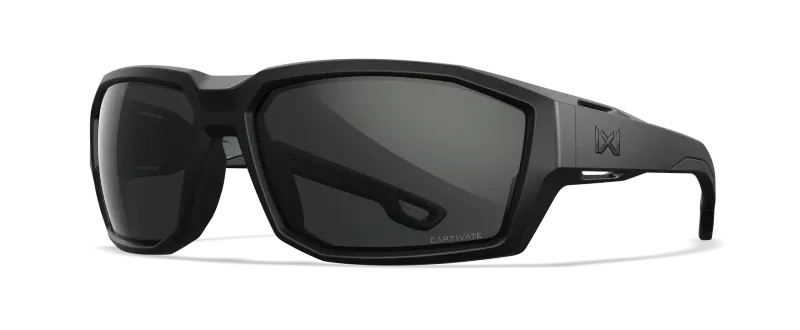
Featuring ANSI-rated impact protection, excellent wraparound coverage, and a rugged build, these sunglasses are ideal for scrambling, bushwhacking, and demanding environments. The Alpine provides outstanding eye protection while maintaining enough comfort for extended use.
Pros
- Exceptional protection
- Durable construction
- Great coverage
- Excellent for rugged use
Cons
- Limited lens options
Best Budget Hiking Sunglasses: Knockaround Fast Lanes
Not everyone needs to spend hundreds of dollars on sunglasses.
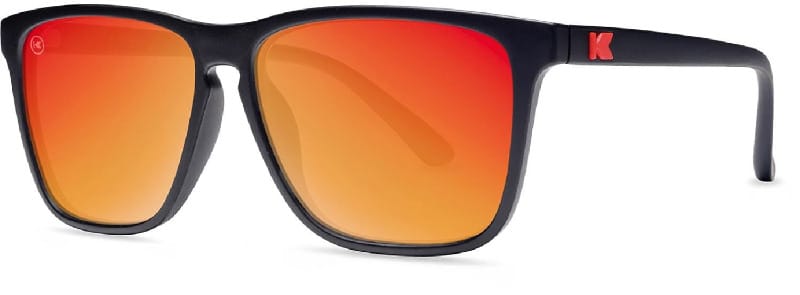
The Knockaround Fast Lanes offer surprisingly strong performance at a fraction of the cost of premium competitors. They're lightweight, comfortable, and easy to replace if lost or damaged. For casual hikers or those looking for a backup pair, they're a fantastic value.
Pros
- Affordable
- Comfortable
- Lightweight
- Great value
Cons
- Lower optical quality than premium models
Best Traditional Hiking Sunglasses: Julbo Camino
The Julbo Camino has earned a reputation as one of the best hiking sunglasses available.
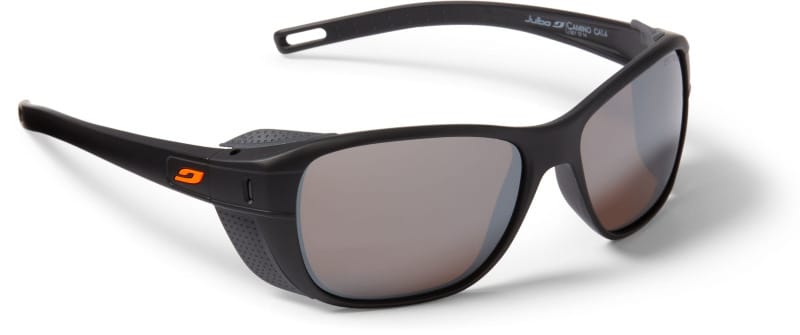
The removable side shields provide extra protection in bright environments while maintaining a lightweight and comfortable fit. Whether you're trekking through canyon country or spending time above treeline, the Camino delivers dependable performance. Julbo's mountain heritage is evident throughout the design.
Pros
- Excellent side protection
- Lightweight
- Comfortable fit
- Proven mountain performance
Cons
- More technical appearance than lifestyle-oriented options
Comparison Chart
| Model | Best For | Coverage | Weight | Value |
|---|---|---|---|---|
| Smith Guide's Choice | Overall Performance | Excellent | Medium | Very Good |
| Ombraz Azzuro | Desert Hiking | Excellent | Light | Excellent |
| Pit Viper Revlock | Fast Hiking | Excellent | Light | Very Good |
| Vuarnet Altitude 01 | Alpine Use | Excellent | Medium-Heavy | Good |
| Wiley X Alpine | Protection | Excellent | Medium | Very Good |
| Knockaround Fast Lanes | Budget Buyers | Moderate | Light | Excellent |
| Julbo Camino | Traditional Hiking | Excellent | Light | Excellent |
Are Polarized Sunglasses Better for Hiking?
For most hikers, yes.
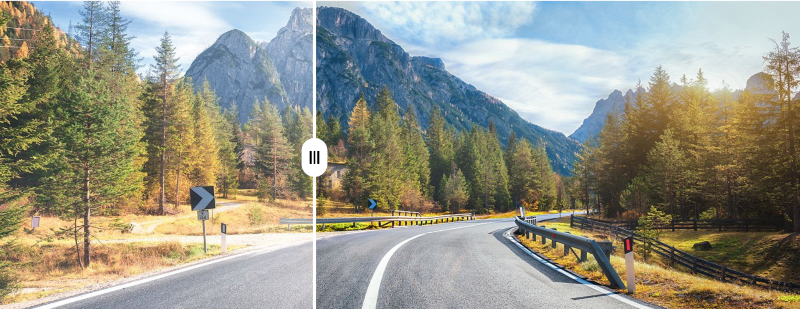
Polarized lenses reduce glare and improve visual comfort during long days outdoors. This can help reduce eye fatigue, especially in bright desert environments.
However, some hikers and photographers prefer non-polarized lenses because they allow easier viewing of electronic screens and certain reflective surfaces. Ultimately, the best choice depends on your personal preferences and intended use.
Are Expensive Hiking Sunglasses Worth It?
In many cases, yes. Premium sunglasses often provide:
- Better optics
- Improved durability
- More comfortable fits
- Better coatings
- Stronger warranties
That doesn't mean budget options can't perform well, but hikers who spend significant time outdoors often notice the difference.
Packing It Out
The best hiking sunglasses are the ones you'll actually want to wear every time you hit the trail.
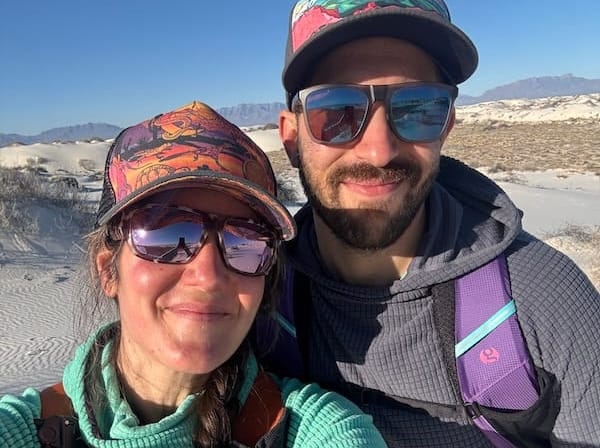
For overall performance, it's difficult to beat the Smith Guide's Choice. For desert adventures, the Ombraz Azzuro stands out as one of the most comfortable and trail-friendly options available. Mountain hikers should look closely at the Julbo Camino and Vuarnet Altitude 01, while budget-conscious adventurers will find plenty to like in the Knockaround Fast Lanes.
No matter where your adventures take you in 2026, investing in quality eye protection is one of the smartest gear decisions you can make.
Frequently Asked Questions
What are the best hiking sunglasses in 2026?
The Smith Guide's Choice earns my pick for best overall hiking sunglasses thanks to its outstanding optics, coverage, and versatility.
What are the best sunglasses for desert hiking?
The Ombraz Azzuro is my favorite option for desert hiking thanks to its comfort, retention system, and excellent glare reduction.
Do hikers need polarized sunglasses?
Most hikers benefit from polarized lenses because they reduce glare and eye strain during long days outdoors.
What lens color is best for hiking?
Gray, brown, and copper lenses are all excellent choices. The best option depends on your preferred environment and personal preferences.
Are glacier glasses necessary for hiking?
Most hikers don't need true glacier glasses. However, side shields become increasingly valuable in alpine environments and snowy conditions.
This article is independent of the supplier and reflects my own opinions. Some of the links on this page are affiliate links, which means I may receive a small commission if purchases are made through those links at no additional cost to you.