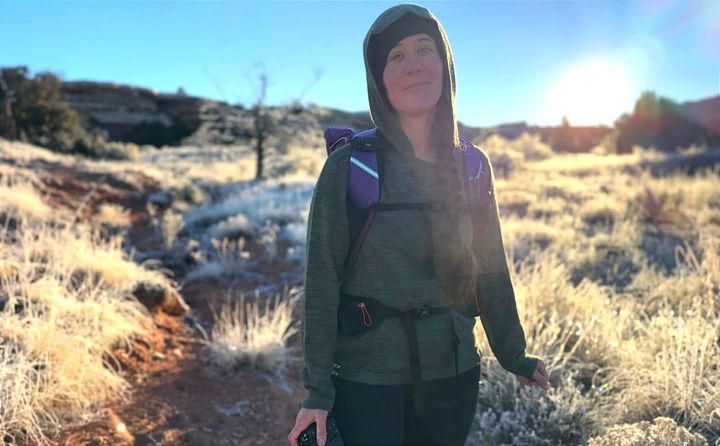
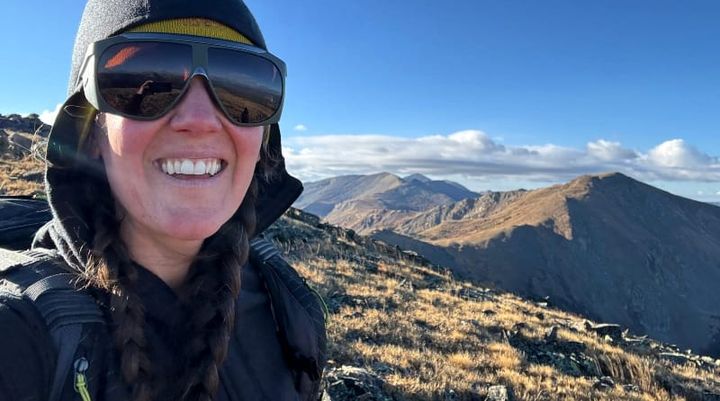
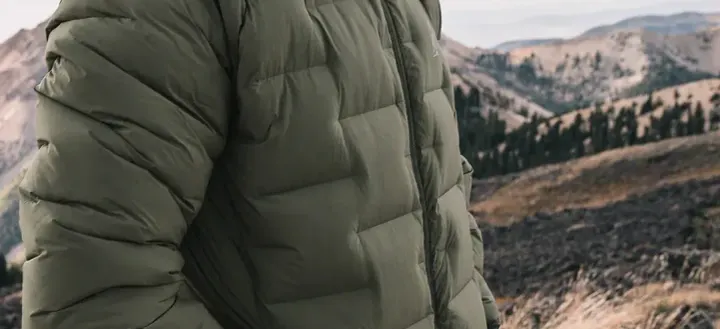
Best Wool Hoodies for Hiking & Adventure in 2026
Looking for the best wool hoodie for hiking? We picked our favorite merino and alpaca wool hoodies for hiking, backpacking, sun protection, cold weather, camp and everyday adventure in 2026.
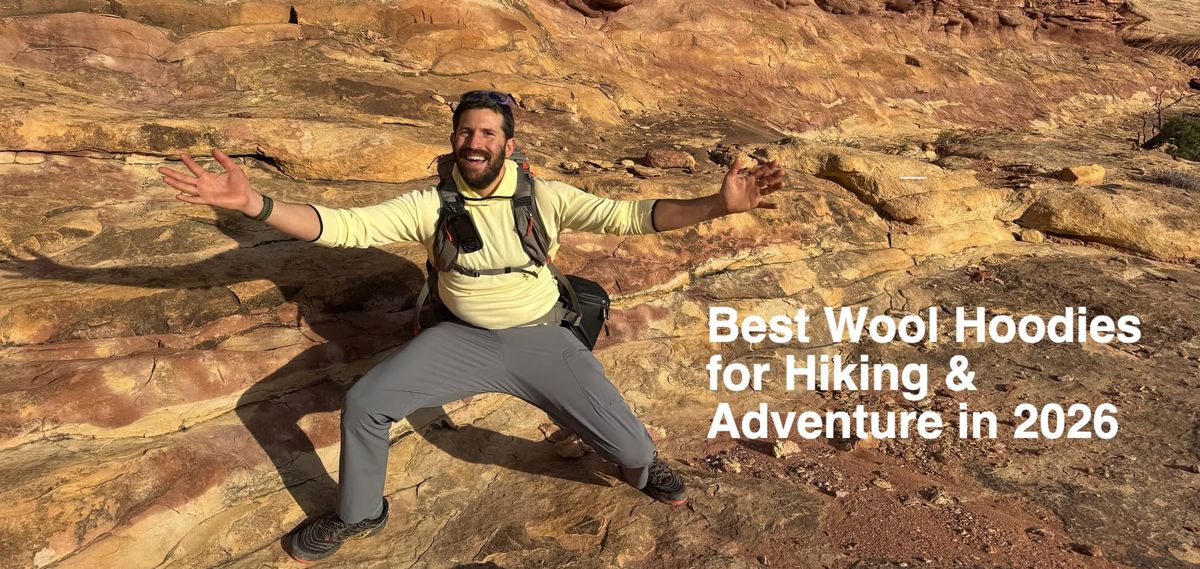
There are few pieces of outdoor clothing as versatile as a good wool hoodie. Lightweight wool layers can breathe through long climbs, help manage temperature when the weather changes, resist developing that unmistakable multi-day hiking smell, and transition surprisingly well from the trail to camp or town. Add a hood for extra warmth and sun coverage, and you have one of the most useful layers you can put in a hiking pack.

Modern wool hoodies have also come a long way from the thick, itchy wool sweaters many people still picture when they hear the word “wool.” Today’s best wool hoodies use fine merino wool, alpaca fiber, or carefully engineered wool blends to create soft, technical layers designed specifically for hiking, backpacking, travel, and everyday outdoor use.
For 2026, our favorite wool hoodies range from ultralight merino sun layers built for exposed trails to substantially warmer alpaca and merino hoodies that work beautifully as cold-weather midlayers. We looked for excellent temperature regulation, comfort, odor resistance, practical outdoor features, and designs that actually make sense on the trail.
Whether you're hiking beneath the desert sun, backpacking through the mountains, layering for a chilly morning, or looking for one natural-fiber hoodie that can handle several days of adventure, these are the best wool hoodies for hiking in 2026.
Ridge Merino Solstice Lightweight Hoodie — Best Overall Wool Hoodie
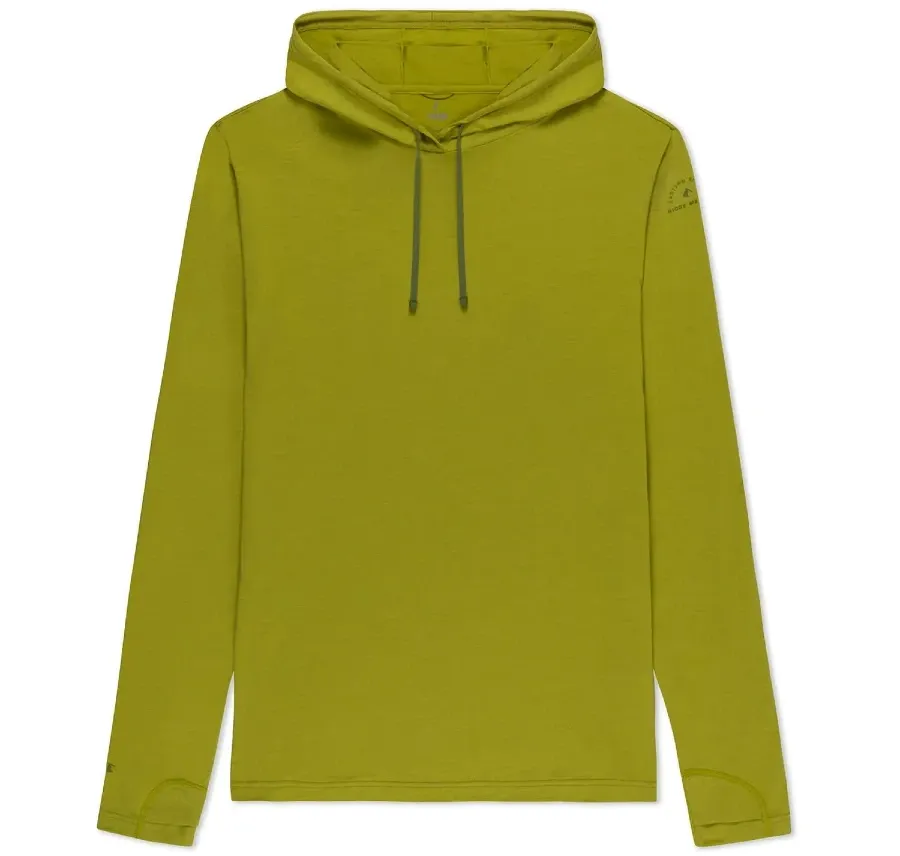
The Ridge Merino Solstice Lightweight Hoodie takes our top spot because it represents exactly what we want from a wool hiking hoodie: it's light enough to wear while moving, comfortable enough for long days, protective enough for exposed terrain, and versatile enough that it doesn't immediately come off when the hike ends.
Its 145 GSM fabric combines 87% merino wool with 13% nylon, giving you the temperature regulation and odor resistance that make merino so useful on multi-day trips while adding some durability for actual trail use. The relaxed fit also gives the fabric some breathing room instead of making the Solstice feel like a tight wool baselayer.
A large hood, thumbholes and UPF-rated fabric make this particularly useful on exposed hikes where sun protection matters. That's a major advantage in the Southwest, where a hoodie often needs to provide coverage without becoming a heavy insulating layer. It's equally at home on a cool morning, a breezy ridgeline or a backpacking trip where you're trying to get several days out of the same shirt.
There are lighter wool hoodies and warmer wool hoodies on this list, but few hit the middle ground as well. If you want one merino wool hoodie that can handle the widest range of hiking conditions, the Ridge Merino Solstice is our pick.
Pros: Lightweight; high merino content; odor resistant; thumbholes; excellent hood coverage; useful for hiking and backpacking; good value compared with many premium merino layers.
Cons: Wool dries more slowly than the lightest synthetic sun hoodies; not intended to replace a true insulating midlayer in cold conditions.
Outdoor Vitals Tern Ultralight Merino Wool Hoodie — Best Ultralight Wool Hoodie
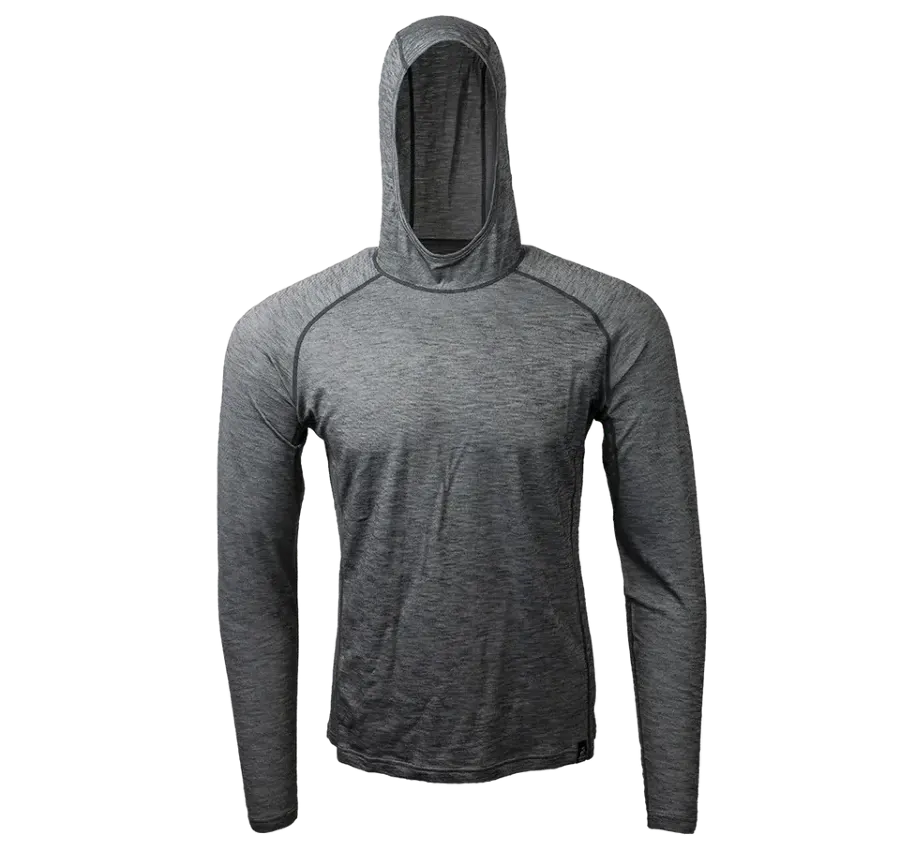
For hikers counting ounces, the Outdoor Vitals Tern Ultralight Merino Wool Hoodie is one of the most interesting options in the category. Rather than trying to create a cozy wool sweater that happens to work outdoors, Outdoor Vitals approaches the Tern as technical ultralight apparel.
That distinction matters. The Tern is designed for movement, layering and backpacking rather than casual warmth. It packs down small, provides the odor-control and temperature-regulating advantages that make merino appealing on longer trips, and avoids the substantial weight of traditional wool garments.
This is the kind of hoodie we particularly like for backpacking, where one layer may need to serve as a hiking shirt during cool conditions, a lightweight layer around camp and a comfortable piece for sleeping. Merino's ability to remain wearable after repeated use becomes especially valuable when you're intentionally carrying fewer clothes.
The tradeoff is inherent to ultralight wool: thin natural-fiber garments require a little more care around abrasive rock, branches and repeated friction than a burly synthetic layer. But if low weight and multi-day versatility are the priority, the Tern is a compelling alternative to the heavier wool hoodies on this list.
Pros: Ultralight; highly packable; excellent for backpacking; comfortable against the skin; naturally odor resistant; useful across multiple days.
Cons: Less durable than heavyweight wool layers; not designed to provide substantial insulation.
Ibex Springbok Sun Hoodie — Best Wool Hoodie w
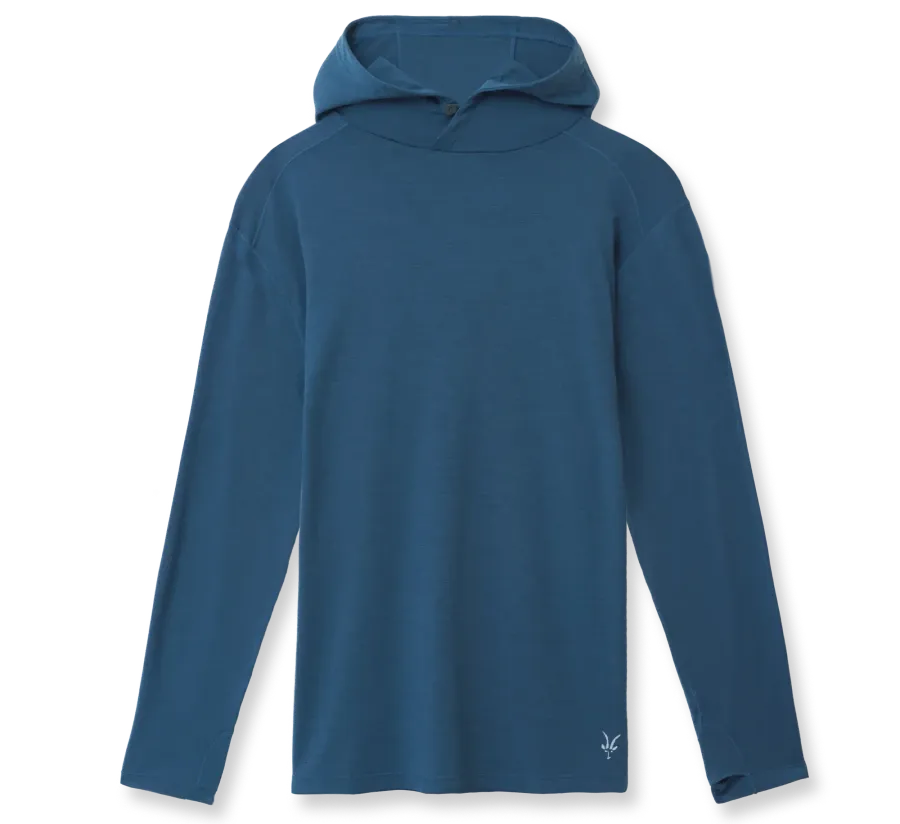
The Ibex Springbok Sun Hoodie is an excellent choice for hikers who prefer a more tailored fit without sacrificing the comfort and performance of merino wool. Unlike some of the boxier, relaxed-fit wool hoodies on the market, the Springbok has a streamlined silhouette that sits closer to the body while still allowing plenty of freedom to move.
Its lightweight fabric combines 83% merino wool with nylon and elastane for added durability and stretch, making it especially comfortable for active pursuits like hiking, scrambling, and backpacking. A three-panel hood, thumbholes, and UPF 50+ sun protection make it particularly appealing for exposed trails and high-elevation adventures, while merino's natural odor resistance and temperature regulation help keep it comfortable through changing conditions.
For hikers who appreciate technical outdoor apparel that feels a little more refined and less oversized, the Springbok is a standout.
Pros: Tailored, flattering fit; UPF 50+ sun protection; premium merino blend; comfortable stretch; thumbholes; excellent mobility; naturally odor resistant.
Cons: Premium price; closer-fitting design may not appeal to hikers who prefer loose, airy sun hoodies.
Janji Rover Merino Hoodie — Best Versatile Wool Hoodie
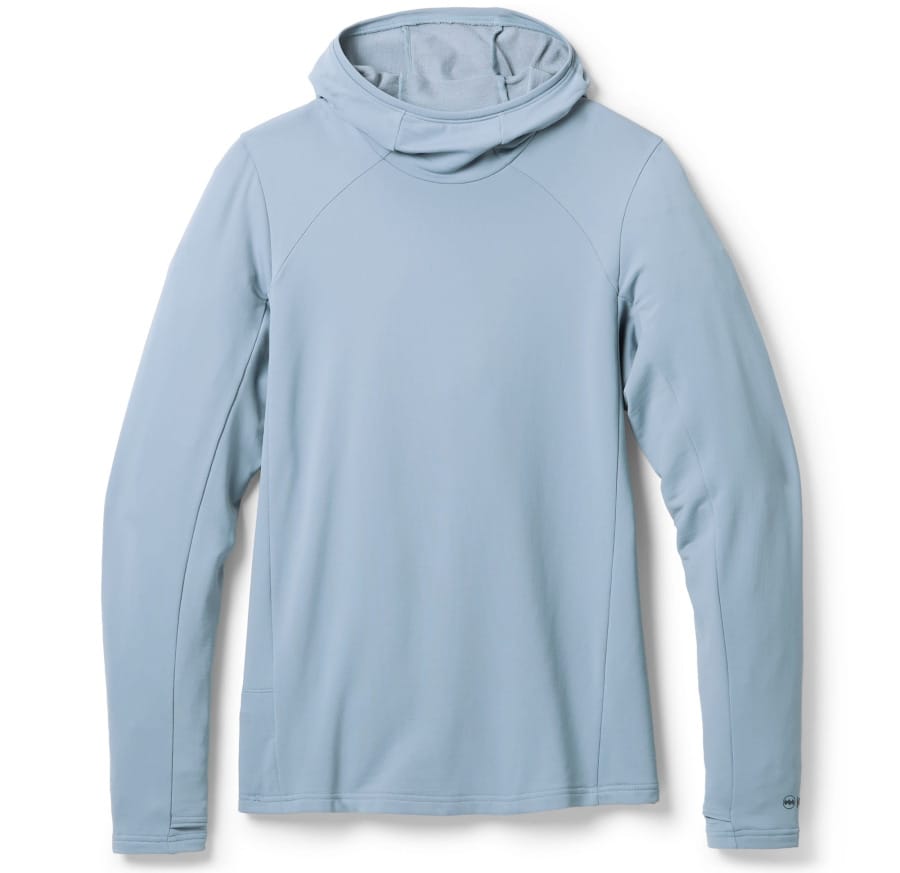
The Janji Rover Merino Hoodie earns our pick for best versatile wool hoodie thanks to its combination of technical performance, everyday comfort, and understated style.
Designed with movement in mind, the Rover is an excellent option for hikers who want a layer that feels equally at home on the trail, during a morning run, or while traveling. Its merino wool construction offers natural odor resistance, temperature regulation, and moisture management, making it especially useful for changing conditions and multi-day adventures.
Rather than being an overly specialized sun hoodie or a bulky insulating layer, the Rover occupies that sweet spot between performance and practicality, offering a comfortable fit that works beautifully on its own or as part of a layering system. For hikers who appreciate gear that doesn't need to be swapped out the moment an adventure ends, the Janji Rover is a compelling choice.
Pros: Versatile for hiking, running, and travel; merino wool benefits; comfortable for layering; understated styling; useful across changing temperatures.
Cons: Not intended to replace a heavyweight insulating layer; wool requires more careful care than most synthetic performance fabrics.
PAKA The Hoodie — Best Alpaca Wool Hoodie
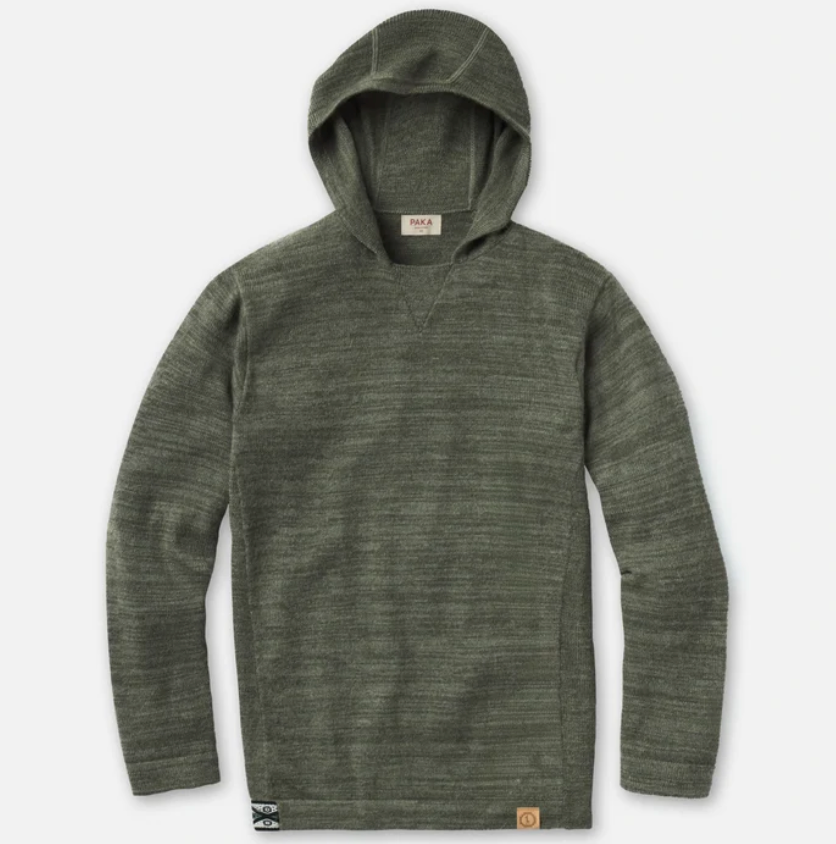
Not every great wool hiking hoodie needs to be an ultralight sun shirt. PAKA's The Hoodie fills a completely different role, using Royal Alpaca Fiber to create a warm, soft layer that works beautifully for chilly mornings, camp, travel and lower-output adventures.
PAKA blends 65% Royal Alpaca Fiber with 35% recycled nylon. At around 15.5 ounces, this isn't an ultralight backpacking layer, and we wouldn't choose it as our primary shirt for grinding uphill beneath the Arizona sun. Instead, think of it as a comfortable natural-fiber midlayer: something you pull on when temperatures drop, keep beside you at camp, or wear throughout a trip without feeling like you're permanently dressed in technical outdoor clothing.
Alpaca is an interesting alternative to sheep's wool. Fine alpaca fibers can be remarkably soft, and PAKA's knit construction gives The Hoodie much more of a sweater-like feel than the technical merino sun hoodies elsewhere in this guide.
PAKA also produces the hoodie start-to-finish in Peru, and each purchase supports the company's network of women artisans there. For hikers who care about the story and supply chain behind their gear, that's another part of the appeal.
The result is less of a high-output hiking shirt and more of an incredibly versatile adventure sweater. For road trips, camping, cool trail days and evenings outside, it's one of our favorite wool layers.
Pros: Exceptionally soft; warm without enormous bulk; odor resistant; comfortable for extended wear; excellent for camp and travel; made in Peru.
Cons: Too warm and heavy for hot-weather hiking; considerably heavier than technical merino sun hoodies; requires more careful washing.
Arms of Andes 300 Lightweight Alpaca Wool Hoodie — Best 100% Alpaca Hoodie
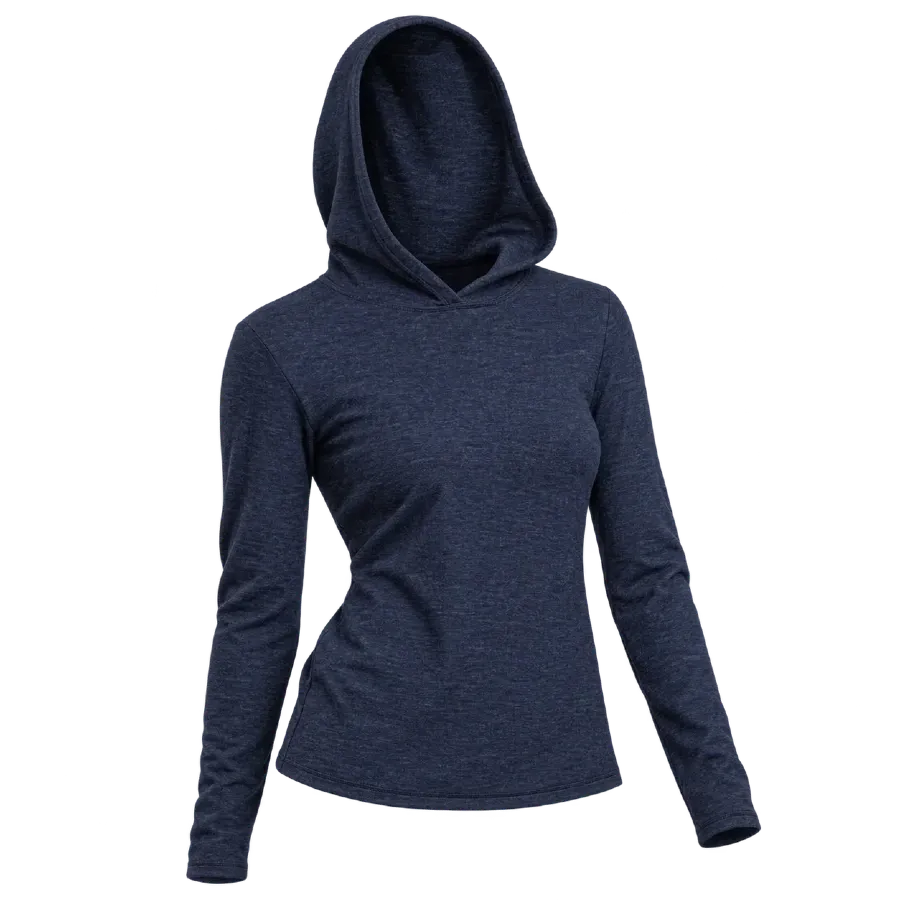
For hikers interested in taking natural fibers as far as possible, the Arms of Andes 300 Lightweight Alpaca Wool Hoodie stands apart. Rather than combining alpaca with nylon or polyester, Arms of Andes builds this hoodie from 100% alpaca wool.
Despite the “Lightweight” name, its 300 GSM fabric puts it in an entirely different class than something like the 145 GSM Ridge Solstice. This is a warmer layer designed for cooler conditions rather than a summer sun shirt. The men's pullover weighs around 14 ounces in a medium, making it much more appropriate as an insulating layer than an ultralight hiking top.
Arms of Andes designs its alpaca clothing specifically around outdoor activities including hiking, backpacking, climbing and trail running. The company also emphasizes a plastic-free construction, using alpaca fabric alongside cotton threads and labels.
The biggest reason to choose this over PAKA is composition and intended use. PAKA's Hoodie blends alpaca with recycled nylon and leans toward all-around comfort, while Arms of Andes provides a more technical option for hikers who specifically want a 100% alpaca wool hoodie.
It won't replace a lightweight sun hoodie, and at 300 GSM it can quickly become too much during hard uphill efforts in warm conditions. For chilly trail days, shoulder seasons and natural-fiber layering systems, however, it's a fascinating piece.
Pros: 100% alpaca wool; no synthetic fabric blend; warm; naturally odor resistant; designed for outdoor activity; made in Peru.
Cons: Expensive; substantially heavier and warmer than lightweight merino hoodies; requires appropriate wool care.
Minus33 Kodiak Brushed Wool Hoodie — Best Heavyweight Wool Hoodie
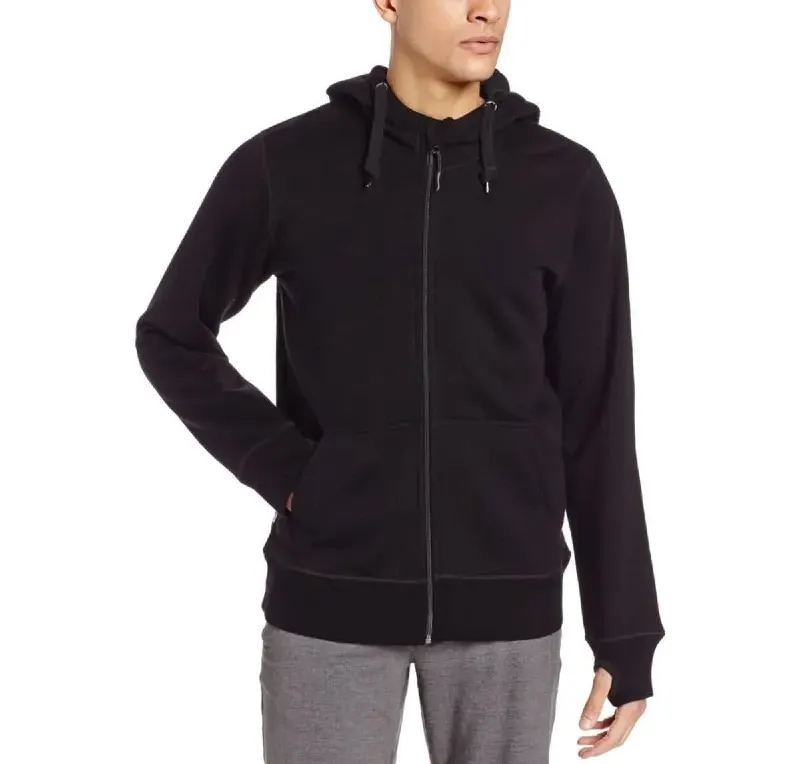
At the opposite end of the spectrum from ultralight wool sun hoodies sits the Minus33 Kodiak Brushed Wool Hoodie. With heavyweight 400 GSM wool fabric, the Kodiak is built for cold.
This isn't a layer we'd throw in a summer backpack “just in case.” Instead, it's for hikers who specifically want substantial wool insulation for winter walks, cold camps, outdoor work and genuinely chilly conditions. The full-zip design also makes temperature management easier than with a heavy pullover, allowing you to vent quickly when your effort level increases.
The brushed construction gives it more of a fleece-like feel, which is fitting because this essentially occupies the natural-fiber equivalent of a heavyweight fleece in a layering system. That makes it especially interesting for hikers who love wool's temperature regulation and odor resistance but want considerably more warmth than a typical merino baselayer provides.
At this weight, packability and low weight are no longer the priority. Warmth is. If that's what you're looking for, the Kodiak fills a niche that most merino hoodies simply don't.
Pros: Exceptionally warm; heavyweight wool construction; full zipper makes venting easy; excellent cold-weather layer.
Cons: Heavy; expensive; excessive for mild-weather hiking; much less packable than lightweight options.
Why Choose a Wool Hoodie for Hiking?
Synthetic hiking clothing dominates the outdoor market for good reason: it's light, durable and fast-drying. But wool offers a combination of characteristics that synthetics don't perfectly replicate, particularly when a layer needs to remain comfortable through changing temperatures and repeated wear.
Wool Regulates Temperature Extremely Well
One of wool's greatest advantages is its ability to function across a surprisingly broad range of conditions. Fine wool fibers help manage moisture and create insulation without immediately turning a garment into a heavy winter layer.
That makes lightweight merino particularly useful during shoulder seasons, cool mornings and high-elevation hikes where temperatures can change rapidly throughout the day.
Wool Resists Odor
This may be the biggest reason we love wool for backpacking and travel.
After several days outside, synthetic shirts can develop a smell that no amount of pretending will hide. Merino and alpaca generally remain much more pleasant through repeated wear, making them excellent choices when you're carrying a limited wardrobe.
That doesn't mean wool never needs washing. It simply means you can often wear it considerably longer between washes.
Wool Remains Comfortable When Damp
Sweating is unavoidable while hiking. Wool can continue to feel relatively comfortable as conditions become damp, which makes it particularly useful when your pace or the weather keeps changing.
For the Southwest, this can be especially valuable during cooler months when you might begin a hike in near-freezing temperatures, climb hard in the sun and encounter wind or shade higher in the mountains.
Wool Makes Excellent Multi-Purpose Clothing
The best hiking gear often does more than one job. A good wool hoodie can serve as a baselayer, hiking shirt, light midlayer, camp layer, travel piece and even sleep shirt depending on its weight.
That versatility is one reason wool can still make sense for lightweight backpacking despite often weighing more than an equivalent synthetic garment.
Merino Wool vs. Alpaca: Which Is Better for Hiking?
Both fibers work exceptionally well outdoors, but they aren't interchangeable.
Merino wool is currently the more common choice for technical hiking apparel. It's available in extremely lightweight fabrics and works particularly well for baselayers, sun hoodies and high-output clothing. Manufacturers can also blend merino with nylon or elastane to improve durability, stretch and fit.
Alpaca wool is less common in mainstream hiking clothing but increasingly interesting. Fine alpaca can feel exceptionally soft and provides impressive insulation. Hoodies like those from PAKA and Arms of Andes demonstrate how well alpaca can work for outdoor layering.
For hot or high-output hiking, we'd generally choose a lightweight merino blend. For camp, cool weather and warmth-focused layers, alpaca becomes especially appealing.
The construction of the garment ultimately matters at least as much as the animal the fiber came from. A 145 GSM merino hoodie and a 300 GSM alpaca hoodie aren't direct competitors; they're tools for completely different conditions.
Understanding Wool Fabric Weight: What Does GSM Mean?
When shopping for a wool hiking hoodie, GSM, or grams per square meter, is one of the most useful specifications to understand. It tells you the weight of the fabric rather than the total weight of the garment.
As a general guideline:
- Under 150 GSM: Ultralight and lightweight; ideal for active hiking, warm weather and baselayers.
- 150–200 GSM: Lightweight to midweight; versatile for hiking and layering across multiple seasons.
- 200–300 GSM: Midweight; better for cool conditions, baselayers in winter or active insulation.
- 300+ GSM: Heavyweight; designed primarily for warmth and cold-weather layering.
These ranges aren't absolute. Fabric construction, fit, fiber diameter and blends all influence how a hoodie actually feels. But GSM is an excellent starting point when comparing wool garments online.
Are Wool Hoodies Good for Desert Hiking?
Yes! If you choose the right wool hoodie.
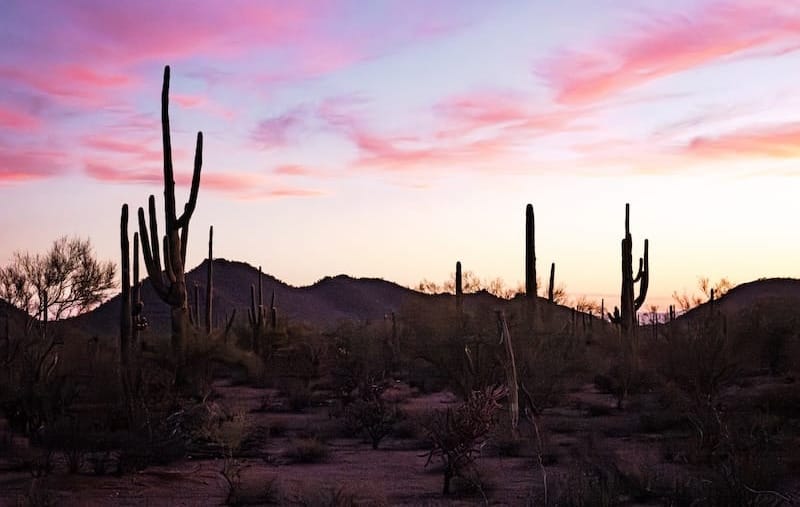
A thick wool sweater obviously isn't something we'd recommend for hiking through the Sonoran Desert on a hot afternoon. But lightweight merino sun hoodies can be surprisingly useful in dry, exposed environments.
For desert hiking, prioritize lightweight fabrics, loose or comfortable fits, good hood coverage and an independently stated UPF rating. The Ridge Merino Solstice, Ibex Springbok and Smartwool Merino Sun Hoodie are much better suited to this role than heavyweight options like the Minus33 Kodiak.
It's also important to recognize wool's limitations. On extremely hot days or during very high-output efforts, we often prefer an ultralight synthetic sun hoodie because it can be lighter and faster drying. Wool becomes particularly valuable when conditions are variable, temperatures are moderate, or you're wearing the same layer for multiple days.
How to Choose the Best Wool Hoodie for Hiking
The “best” wool hoodie depends much more on how you'll use it than on which one has the longest feature list.
For warm-weather hiking and backpacking, prioritize lightweight merino fabrics around 150 GSM or below. Sun protection, a well-designed hood and breathability matter more than insulation.
For multi-day backpacking, consider both weight and durability. A small percentage of nylon can make a merino garment considerably more practical beneath backpack straps while preserving most of the benefits of wool.
For cool-weather hiking, move toward heavier merino or alpaca fabrics that can function as active insulation.
For camp and travel, comfort, odor resistance and versatility may matter more than saving every ounce. This is where a warmer alpaca hoodie such as PAKA's really shines.
And for winter, look for substantially heavier wool fabrics that can function as true midlayers rather than baselayers.
How to Care for a Wool Hiking Hoodie
Modern wool isn't necessarily difficult to care for, but treating it like a cotton sweatshirt is a good way to shorten its life.
Always follow the manufacturer's instructions first. In general, wash wool less frequently than conventional clothing, use cool or cold water and avoid harsh detergents or fabric softeners. Many modern merino blends can be machine washed on a gentle cycle, while some alpaca garments benefit from hand washing.
Air drying or laying a garment flat to dry is generally the safest approach. High heat can shrink or damage natural fibers.
The good news is that wool's odor resistance means you shouldn't need to wash your hoodie nearly as often as you might expect. On multi-day trips, airing it out overnight may be all it needs before another day on the trail.
Packing It Out: The Best Wool Hoodie for Your Next Adventure
Wool hiking apparel has evolved far beyond the heavy sweaters of the past. Today's best wool hoodies range from ultralight merino sun layers to warm alpaca sweaters and heavyweight winter midlayers, making wool useful across an enormous range of outdoor conditions.
For most hikers, the Ridge Merino Solstice Lightweight Hoodie is our favorite overall. It strikes an excellent balance between merino content, weight, sun coverage and everyday versatility, making it an easy layer to reach for throughout much of the year.
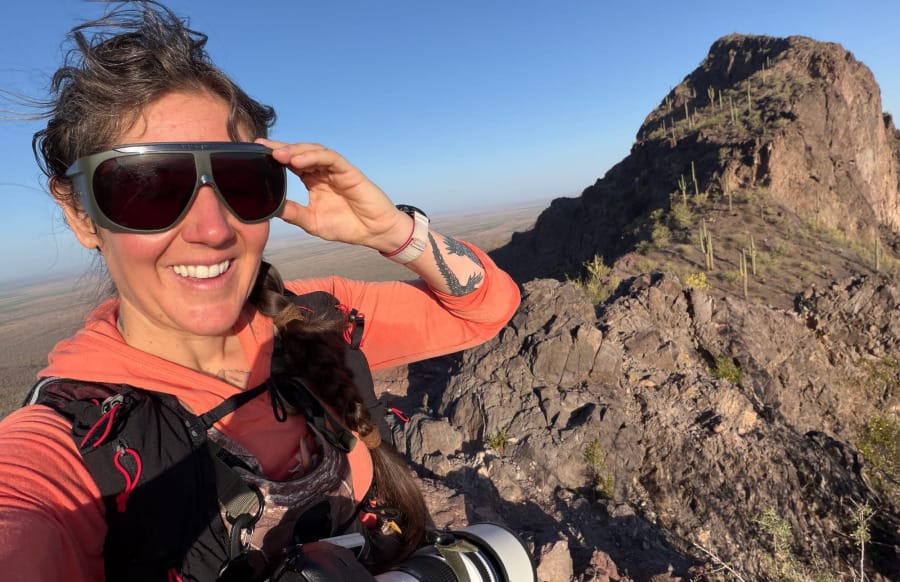
If sun protection is the priority, the Ibex Springbok Sun Hoodie adds UPF 50+ coverage to a premium merino-rich construction. Ultralight backpackers should look toward the Outdoor Vitals Tern, while the Smartwool Merino Sun Hoodie offers an excellent balance of durability and repeat-wear comfort.
And wool doesn't have to mean merino. PAKA The Hoodie is one of our favorite cozy alpaca layers for camp, travel and cool weather, while Arms of Andes offers a rare 100% alpaca option for hikers who want to take natural-fiber layering even further.
Ultimately, choosing the best wool hoodie isn't about finding one layer that somehow works from a blazing desert afternoon to a freezing winter morning. It's about matching the fabric weight and construction to the conditions you actually encounter.
Do that, and a good wool hoodie can become one of those pieces that seems to end up in your pack- and on your body -adventure after adventure.
FAQ: Wool Hoodies for Hiking
Is merino wool good for hiking?
Absolutely. Merino wool is one of the best natural fibers for hiking because it regulates temperature well, manages moisture, remains comfortable across changing conditions and naturally resists odor. Lightweight merino is particularly useful for baselayers, hiking shirts and multi-day backpacking clothing.
Are wool hoodies too hot for hiking?
Not necessarily. Fabric weight makes an enormous difference. A lightweight 135–150 GSM merino hoodie can work in surprisingly mild or warm conditions, while a 300–400 GSM wool hoodie is designed for significantly colder weather.
Is merino wool better than polyester for hiking?
Neither is universally better. Polyester is typically lighter, more abrasion resistant and faster drying. Merino generally offers better odor resistance and excellent temperature regulation, particularly across changing conditions. Many hikers use both depending on the trip.
Is alpaca wool good for hiking?
Yes. Alpaca can provide excellent warmth, softness, breathability and odor resistance. It's particularly compelling for cool-weather layers and camp clothing. Lightweight technical alpaca apparel is also becoming more widely available, although merino still dominates the performance hiking market.
Can you wear a wool hoodie in summer?
Lightweight merino hoodies can work well during summer, especially at higher elevations, in dry climates or when sun exposure is a concern. For extremely hot and humid conditions, however, an ultralight synthetic sun hoodie may feel cooler and dry faster.
Does merino wool get itchy?
High-quality fine merino is dramatically softer than traditional coarse wool. Many modern merino hiking garments are comfortable directly against the skin. Individual sensitivity varies, however, so people who are particularly sensitive to wool may prefer an alpaca layer or a merino blend.
What GSM is best for a merino wool hiking hoodie?
For active hiking, roughly 135–180 GSM is a useful range to look for. Lower weights favor warm conditions and high-output activity, while heavier fabrics provide additional warmth. For winter or low-output use, 200 GSM and above may be more appropriate.
How often should you wash a merino wool hoodie?
Usually much less frequently than a synthetic or cotton hoodie. If the garment isn't visibly dirty, airing it out between uses can often extend the time between washes. Always follow the specific care instructions provided by the manufacturer.
Are wool hoodies worth the money?
For hikers who value temperature regulation, repeat wear and odor resistance, we think they can be. Wool apparel typically costs more than basic synthetic layers, but a versatile merino hoodie can replace several more specialized pieces during hiking, backpacking and travel.
Note: This post contains affiliate links. If you make a purchase through these links, we may earn a small commission at no extra cost to you. Thanks for supporting our work!