Gear Review: fēnix 9 Pro inReach by Garmin
The Garmin fēnix 9 Pro inReach combines advanced GPS navigation, training metrics, titanium construction, and satellite communication in one premium adventure watch. We explore its features, limitations, and value for hikers.
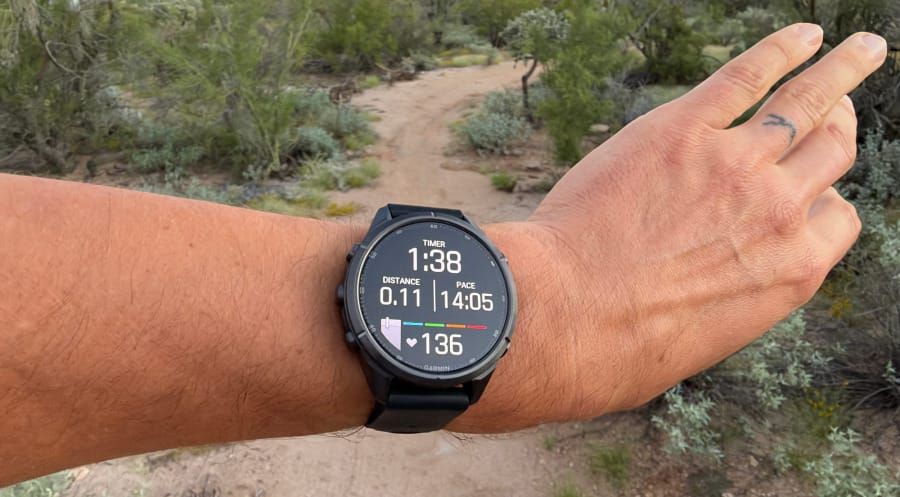
Garmin has spent years refining its fēnix lineup into some of the most capable GPS watches available, and the fēnix 9 Pro inReach continues that tradition with an impressive collection of navigation, training, and communication features. It's a premium smartwatch designed for people who spend a considerable amount of time outdoors, whether that's hiking remote trails, running mountain routes, backpacking, or simply wanting more comprehensive activity tracking.
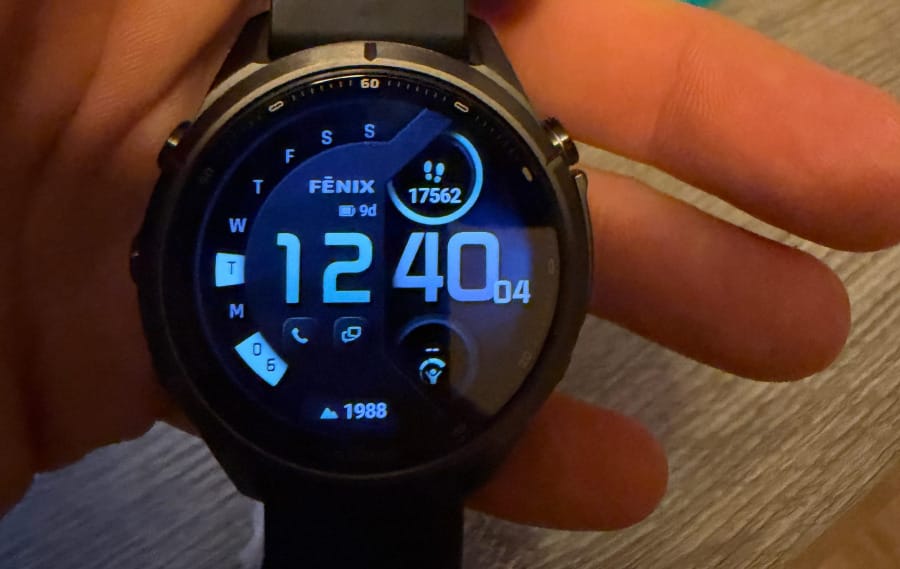
What makes this particular model interesting is the addition of built-in inReach satellite communication. Combining navigation, training data, and off-grid messaging in one wearable is an appealing concept, particularly for hikers who prefer to carry fewer devices. But with a price that exceeds $1,000 and satellite capabilities that come with some important limitations, the fēnix 9 Pro inReach isn't automatically the best option for everyone.
So, is Garmin's premium adventure watch worth the investment? Let's get into what it does well, where it falls short, and who will get the most out of it.
Garmin fēnix 9 Pro inReach: Quick Specs
| Feature | Details |
|---|---|
| Case sizes | 43 mm, 47 mm, 51 mm |
| Construction | Titanium case, sapphire lens |
| Display | AMOLED or solar MIP, depending on model |
| GPS | Multi-band GNSS |
| Navigation | Built-in maps and route guidance |
| Communication | LTE and satellite messaging |
| Safety | Interactive SOS with subscription |
| Water resistance | 10 ATM |
| Battery | Varies by size, display, and usage |
| Price | Starting around $1,200 for inReach models |
Design and Comfort
Garmin has always done a good job making the fēnix series feel like serious outdoor equipment without sacrificing everyday usability. The fēnix 9 Pro inReach continues that approach with a titanium case, sapphire lens, and several size options that make it easier to find a comfortable fit.
The titanium construction is a welcome feature, particularly for hikers who regularly scramble over rocks, push through vegetation, or generally put their equipment through a fair amount of abuse. Sapphire glass also offers excellent scratch resistance, although neither material makes the watch indestructible.
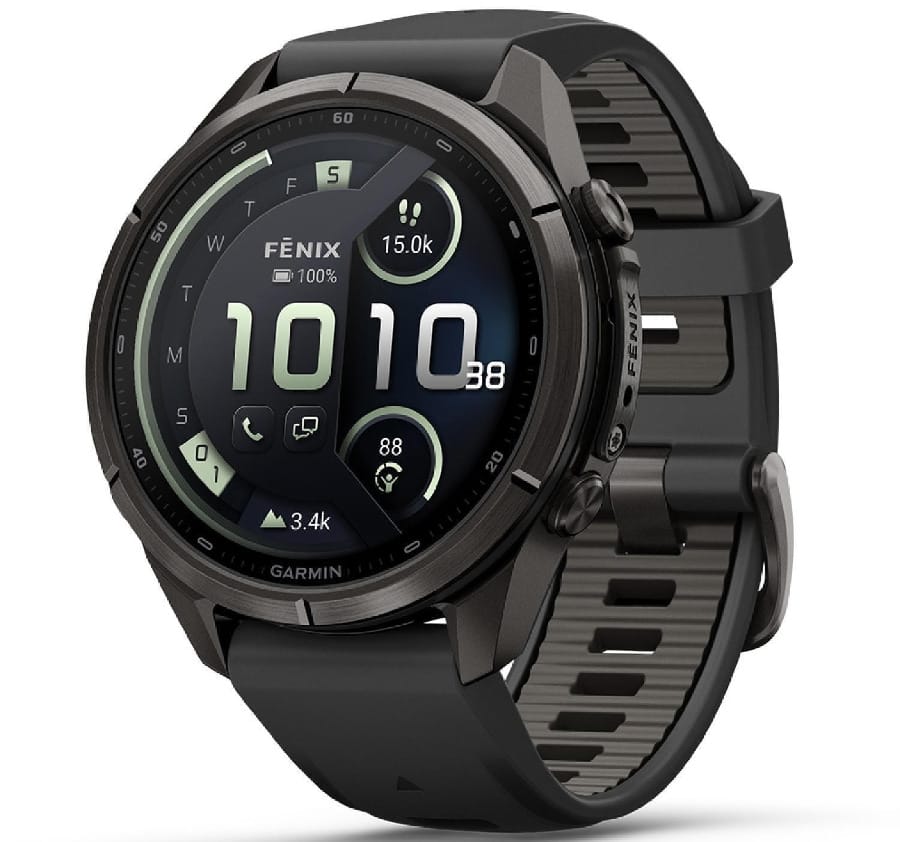
The biggest consideration here is size. Even with premium materials, a full-featured GPS watch can feel substantial on smaller wrists, particularly during sleep or longer activities. The 43 mm version is appealing for anyone who finds larger adventure watches uncomfortable, while the 51 mm model offers more screen space and greater battery potential.
The built-in LED flashlight is another practical addition. It's useful around camp, during early starts, and for finding something in a dark pack. It won't replace a good headlamp, but it's the kind of small convenience that makes sense on a watch designed for outdoor use.
Overall, the construction is one of the strongest arguments for the fēnix 9 Pro inReach. This is a watch designed to handle regular outdoor activity, although whether its size and weight are comfortable will depend on the individual.
GPS and Navigation
Navigation is where a premium Garmin watch really needs to justify its price, and the fēnix 9 Pro inReach has a strong collection of tools for hikers who regularly explore unfamiliar terrain.
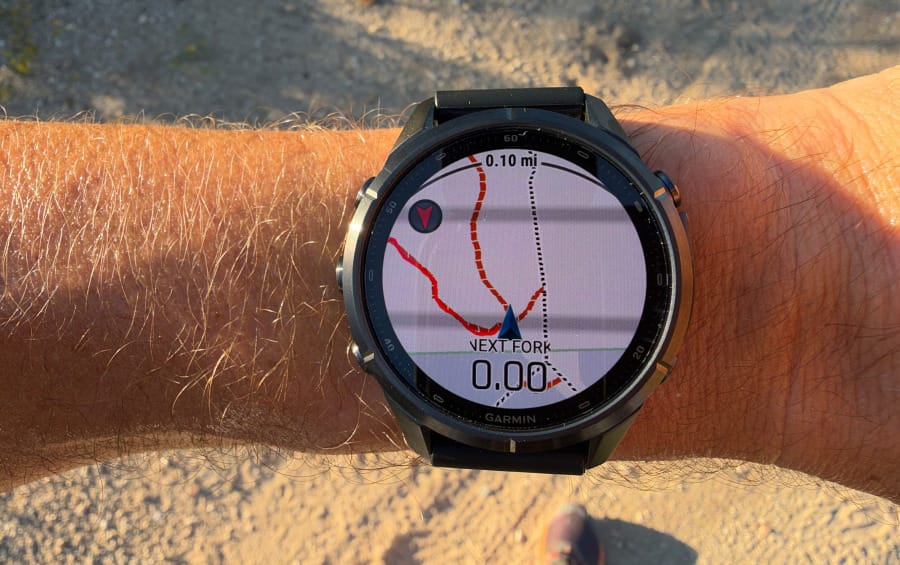
Multi-band GPS, detailed mapping, and route guidance provide considerably more functionality than basic GPS watches. Having access to maps directly on your wrist is particularly useful when following complicated trail networks, checking your position at intersections, or navigating terrain where pulling out a phone isn't especially convenient.
For desert and mountain hiking, the combination is appealing. Satellite reception can become challenging around steep canyon walls, and poorly marked trail junctions can make route-finding more complicated than expected. Multi-band GPS is designed to improve positioning in difficult environments, although it cannot eliminate every source of signal interference.
One of the advantages of Garmin's mapping system is how much information can be available without relying on cellular service. With the appropriate maps and routes loaded beforehand, hikers can follow their progress, review terrain, and make navigation decisions directly from the watch.
There is a downside, however. A watch screen is still relatively small, and detailed route planning is generally easier on a phone or larger GPS device. Garmin's extensive navigation menus can also require some familiarity before they become intuitive.
inReach Satellite Communication
The built-in inReach functionality is arguably the biggest reason to consider this watch over a less expensive Garmin model. The ability to send messages and access interactive SOS communication without carrying a separate satellite communicator sounds excellent, especially for solo hikers and people who regularly travel beyond cellular coverage.
There is genuine value in having another way to communicate when a phone doesn't work. However, the fēnix 9 Pro inReach has limitations that are particularly important for people who spend time in remote or rugged terrain.
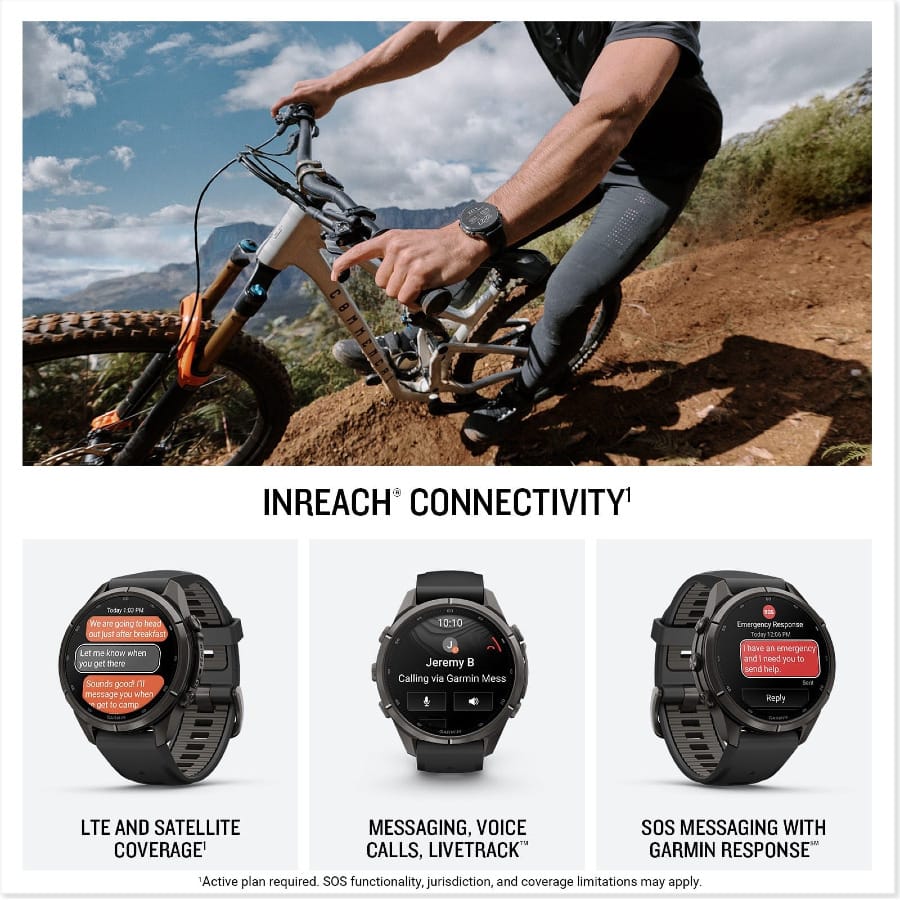
Unlike Garmin's dedicated inReach communicators, the watch uses geostationary satellites and requires an appropriate view of the sky to establish a connection. Deep canyons, steep mountainsides, and other obstructions can make satellite communication difficult or unavailable. Geographic coverage is also more limited than that of dedicated inReach devices.
That distinction matters a lot. If you're hiking in remote wilderness, especially where terrain frequently obstructs the sky, the fēnix 9 Pro inReach shouldn't automatically replace a dedicated satellite communicator. The watch's satellite functionality is a valuable additional communication option, but it isn't a guarantee of connectivity everywhere you travel.
An active subscription is also required for inReach services, adding an ongoing expense to an already expensive watch.
For hikers who primarily explore areas within the supported coverage regions and want occasional off-grid communication, this feature could be a major convenience. For those who depend on satellite communication during extended backcountry trips, a dedicated inReach device remains worth serious consideration.
Battery Life
Battery performance is another important consideration, especially when choosing between AMOLED and solar-equipped versions of the fēnix 9 Pro.
The AMOLED display is bright, colorful, and particularly enjoyable for viewing maps and activity data. It's a good option for people who want a premium everyday smartwatch that also performs well on the trail.
The solar version takes a different approach, using a sunlight-readable display and solar charging to prioritize endurance. For backpackers, long-distance hikers, and people who spend extended periods away from power, that tradeoff may make more sense.
Garmin advertises impressive battery-life figures, but those maximums shouldn't be confused with continuous GPS tracking performance. Navigation, satellite communication, display brightness, and other active features all affect battery consumption. Solar charging also depends on sufficient sunlight exposure and won't deliver its maximum benefit in every environment.
For most day hikers, either display option should offer plenty of flexibility. Backpackers and endurance athletes will want to pay closer attention to GPS-mode battery estimates for their specific model rather than relying on the headline smartwatch figures.
The biggest advantage here is choice. Garmin offers configurations that prioritize either display quality or extended endurance, allowing hikers to select the option that best matches their activities.
Fitness and Training Features
The fēnix 9 Pro inReach isn't just a navigation watch. It's also a comprehensive training tool, with detailed activity tracking, recovery insights, heart rate monitoring, and performance metrics for a wide range of sports.
For hikers who also run, cycle, or strength train, having all that information within one ecosystem is particularly useful. Garmin's training readiness and recovery tools can help identify trends in workload and fatigue, while its endurance-focused features provide additional information about performance over time.
These tools are especially interesting for people who hike frequently. A demanding mountain hike can involve considerable cardiovascular effort, elevation gain, and muscular fatigue, even when moving at a relatively relaxed pace. Tracking those activities alongside running and other exercise can provide a more complete picture of overall training.
Still, it's worth remembering that wearable recovery scores are estimates. They can provide useful context, but they shouldn't override how you actually feel, particularly when dealing with heat, poor sleep, or accumulated fatigue.
If you're primarily interested in recording hikes and checking your distance, much of this functionality may be unnecessary. But for people who actively use training data to guide their outdoor activities, Garmin offers an exceptionally comprehensive set of tools.
What We Like
- Excellent navigation capabilities: Multi-band GPS, detailed maps, and route guidance make this a strong option for serious hikers.
- Premium construction: Titanium and sapphire provide durability for regular outdoor use.
- Built-in satellite communication: A convenient additional communication option beyond cellular coverage.
- Extensive training metrics: Particularly useful for hikers who also run, cycle, or participate in endurance sports.
- Multiple configurations: Different case sizes and display options accommodate different preferences.
- Useful everyday features: The LED flashlight and smartwatch functionality add versatility beyond the trail.
What Could Be Better
- The price: This is a substantial investment, especially considering the number of capable GPS watches available for less.
- Satellite limitations: Coverage and sky-view requirements make it less versatile than a dedicated inReach communicator.
- Subscription costs: Satellite communication adds an ongoing expense.
- Potentially excessive functionality: Many hikers won't use enough of the features to justify the premium.
- Size and complexity: Even with multiple case options, the watch may feel bulky, and Garmin's menus take time to learn.
Who Should Buy the Garmin fēnix 9 Pro inReach?
The fēnix 9 Pro inReach makes the most sense for hikers, trail runners, and multisport athletes who want one premium device for navigation, training, and everyday use. It's particularly appealing for people who regularly explore unfamiliar trails, appreciate detailed fitness data, and want the added convenience of compatible satellite communication.
It's a harder recommendation for casual hikers, people who already own a recent high-end Garmin watch, or backpackers whose primary concern is emergency communication. In those situations, a more affordable GPS watch paired with a dedicated satellite communicator may offer better overall value.
Packing It Out: Is the Garmin fēnix 9 Pro inReach Worth It?
The Garmin fēnix 9 Pro inReach is an impressively capable adventure watch, but its biggest strength is also what makes it difficult to recommend universally: it does an enormous number of things, and you're paying for all of them.
For serious hikers and endurance athletes who regularly use advanced navigation, training metrics, and activity tracking, the fēnix 9 Pro offers an appealing combination of durability and functionality. The addition of satellite communication makes it even more versatile, particularly for people who occasionally venture beyond cellular coverage.
However, the satellite limitations are worth understanding before making the investment. This isn't necessarily a replacement for a dedicated inReach communicator, and anyone who depends on reliable off-grid communication should evaluate their specific needs carefully.
Ultimately, the Garmin fēnix 9 Pro inReach is best for people who want a premium multisport GPS watch first and satellite communication as an additional benefit. If that's how you plan to use it, there's plenty to appreciate. If satellite messaging is your primary reason for buying it, there may be more practical and affordable ways to build your backcountry safety setup.
This article is independent of the supplier and reflects my own opinions and experience. Some links on this page are affiliate links, which means I may receive a small commission if you make a purchase through those links at no additional cost to you.