All About Janji: The Running Brand Built for Adventure and Giving Back
Janji is redefining what running apparel can be, combining technical performance, thoughtful design, and a commitment to expanding access to clean water around the world.

Running has always been about more than getting from one place to another. It is a way to explore landscapes, connect with the natural world, challenge ourselves, and discover what we're capable of. For some, it's about chasing personal records. For others, it's about finding a little freedom on a quiet stretch of trail. For Janji, running is also an opportunity to make a difference.

Founded by runners who believed their sport could create meaningful change, Janji has grown into a distinctive name in technical running apparel. With thoughtfully engineered clothing, adventurous designs, and a commitment to supporting communities, the brand offers an alternative to the traditional performance-first mentality of the running industry. But what exactly is Janji, where did the company come from, and what makes its running apparel worth considering?
Let's take a closer look at the story, philosophy, products, and purpose behind this increasingly recognizable outdoor brand!
What Is Janji?
Janji is an American running apparel brand specializing in technical clothing and accessories for road running, trail running, ultrarunning, and outdoor adventures. Founded in 2012 and headquartered in Somerville, Massachusetts, the company designs performance-oriented gear with an emphasis on comfort, functionality, durability, and versatility.
The name Janji comes from the Malay word for "promise," a fitting foundation for a company that has always sought to connect athletic performance with a broader social mission.

Unlike brands that build their identity primarily around competition, Janji embraces running as a form of exploration. Its clothing is designed for runners who want to move comfortably through changing environments, whether that means an early-morning neighborhood loop, a rugged mountain trail, or a long-distance adventure.
That philosophy is reflected in the company's technical fabrics, practical storage solutions, and designs that frequently bridge the gap between running gear and everyday outdoor apparel.
Janji's approach is relatively straightforward: make clothing that performs exceptionally well, encourages people to get outside, and contributes to something beyond the individual wearing it.
The Story Behind Janji: From College Runners to an Outdoor Brand
Janji began with two collegiate runners, Dave Spandorfer and Mike Burnstein, who met while competing for Washington University in St. Louis.
As competitive runners, the pair understood how essential water was to their sport. Their experiences helped inspire a much larger realization: while runners often have reliable access to clean drinking water, millions of people around the world face serious barriers to obtaining this basic necessity. They began imagining a running apparel company that could connect the sport they loved with efforts to improve people's lives.

In 2012, that idea became Janji.
The company's early clothing collections were inspired by countries and communities connected to its charitable partnerships. Rather than treating apparel simply as merchandise, Janji sought to make every purchase part of a larger story. The brand initially focused on running shorts and other essentials, but its product range gradually expanded alongside its growing community of runners.
Over time, Janji developed into a technical apparel company recognized for its distinctive colors and prints, innovative pocket systems, and clothing designed for extended movement. While the brand's products have evolved considerably since its earliest collections, the idea that running can connect people and inspire positive change remains central to its identity.
Janji's Mission: Running as a Force for Good
One of the most compelling aspects of Janji is the role social responsibility has played in the company's development. For more than a decade, Janji supported organizations working to expand access to clean drinking water. The company committed a portion of its sales to nonprofit water initiatives, helping connect its apparel business to an issue closely tied to its origins.

Since 2013, Janji has contributed more than $1 million to clean water initiatives.
More recently, the company has evolved its giving strategy through Janji Grants, a program focused on expanding access to running itself. Through this initiative, Janji supports grassroots nonprofit organizations working to create more inclusive running communities, reduce barriers to participation, and provide educational and mentorship opportunities.
The program reflects an important evolution in the company's understanding of impact. Access to outdoor recreation isn't equal. Financial limitations, geographic barriers, inadequate resources, and a lack of welcoming community spaces can all prevent people from experiencing the benefits of running.
By supporting organizations working to address those barriers, Janji is investing in the future of the sport and the people who participate in it. It's a meaningful direction for a company built around the belief that movement has the power to connect people.
What Makes Janji Running Apparel Different?
The running apparel market is crowded with brands promising lighter fabrics, better breathability, and improved performance. While Janji offers many of those same technical features, several characteristics help distinguish its products.

Thoughtful Design for Long-Distance Running
One of Janji's strongest design priorities is functionality over extended periods of movement. Anyone who has spent hours running on trails understands how small details can make a substantial difference. A waistband that slips, a pocket that bounces, or a seam that causes friction can quickly become frustrating. Janji approaches these challenges with features such as integrated storage, secure waistbands, strategic ventilation, stretch fabrics, and streamlined construction.
Its shorts and tights are particularly notable for their attention to carrying essentials without necessarily requiring an additional running belt. These details can be especially useful for trail runners, long-distance athletes, and anyone who prefers to carry a phone, keys, or nutrition directly in their clothing.
Technical Fabrics Designed for Movement
Janji uses a range of proprietary and specialized fabric systems intended to address different running conditions. Its lightweight AFO fabric emphasizes breathability, stretch, and quick drying, making it well suited to warm-weather running. Groundwork fabrics prioritize supportive stretch, moisture management, and comfort against the skin, particularly in fitted running garments.
The brand also incorporates merino wool blends and weather-resistant materials into products intended for cooler temperatures and changing conditions. Rather than relying on one fabric for every application, Janji develops different material systems to accommodate different activities and environments.

Running Clothing That Works Beyond Running
Although Janji is firmly rooted in running, much of its clothing has broader outdoor appeal. Lightweight wind shells, technical hoodies, comfortable shorts, and versatile layers can transition naturally between trail running, hiking, travel, and everyday use.
This versatility is particularly appealing to outdoor enthusiasts who prefer a streamlined wardrobe rather than maintaining completely separate clothing systems for every activity. For someone who spends time running, hiking, traveling, and exploring, apparel that performs across several pursuits can be a practical investment.
Distinctive Colors and Designs
Janji's visual identity has long been one of its most recognizable characteristics. While many performance brands emphasize subdued colors and traditional athletic styling, Janji has embraced expressive patterns, bold color combinations, and designs influenced by exploration and creative collaboration.
The result is clothing that feels adventurous without sacrificing its technical purpose. For runners who enjoy a little personality in their outdoor wardrobe, Janji offers something beyond the usual assortment of basic performance apparel.
Popular Janji Running Apparel Worth Knowing
Janji produces a variety of clothing and accessories, but several product families illustrate the company's design philosophy particularly well.
Janji Multi Shorts: Storage for Long-Distance Adventures
One of Janji's standout product concepts is its Multi Short collection.
Designed around practical storage and unrestricted movement, these running shorts incorporate multiple pockets into the waistband, allowing runners to carry essentials without relying entirely on separate accessories.
Depending on the model, features may include lightweight stretch fabrics, integrated liners, secure pocket systems, and ventilation designed for extended efforts. The concept is particularly appealing for runners who want to carry nutrition, a phone, and other small items while minimizing bounce.
For trail running, long training sessions, and warm-weather adventures, the Multi Short lineup represents some of Janji's most distinctive technical design work.
Janji Pace Shorts: Lightweight Everyday Running Comfort
For runners who prioritize simplicity and comfort, Janji's Pace Shorts offer a more streamlined option. The collection emphasizes lightweight materials, a comfortable waistband, and freedom of movement.
The women's 5-inch Pace Short, for example, features a high waistband designed to stay in place and practical pockets for small essentials. These shorts are well suited to runners who want technical performance without the more extensive storage systems found in Janji's trail-oriented designs.
Janji Rover Merino Hoodie: A Versatile Layer for Cooler Weather
The Janji Rover Merino Hoodie is an appealing option for runners and outdoor enthusiasts looking for a versatile layer that extends beyond high-output activity.
Merino wool is especially useful in outdoor apparel because of its temperature-regulating properties and natural resistance to odor. A merino-based hoodie can fit comfortably into a layering system for cool morning runs, shoulder-season hikes, travel, and everyday adventures.
For those who appreciate technical clothing that doesn't look exclusively athletic, the Rover Merino Hoodie is worth exploring.
Janji Transit Tech: Performance Meets Everyday Versatility
Janji's Transit Tech collection demonstrates how the company approaches clothing designed for more than a single activity.
Built around lightweight, stretchy, weather-resistant materials, Transit Tech apparel is intended to transition between running, travel, and everyday movement. The collection emphasizes practical styling and comfortable performance without unnecessary complexity.
For runners who also spend substantial time hiking or traveling, Transit Tech offers a compelling approach to versatile outdoor clothing.
Janji Running Layers and Wind Shells
Janji also produces technical outer layers designed to help runners navigate changing weather.
Lightweight wind shells, breathable running tops, and cool-weather layers offer options for everything from brisk morning runs to exposed mountain trails. Products such as the Zephyrunner Wind Shell reflect the brand's interest in lightweight protection that can be incorporated into an active layering system.
For trail runners in particular, having a packable layer that provides protection without excessive bulk can make a meaningful difference when temperatures or conditions change.
Is Janji a Sustainable Running Brand?
Sustainability is an increasingly important consideration in the outdoor apparel industry, and Janji has made responsible materials and manufacturing part of its broader approach.
The company incorporates recycled synthetic fibers into various products, uses certified fabrics in portions of its lineup, and has adopted PFAS-free water-repellent treatments in specified materials. Janji also uses responsibly sourced merino wool in select garments and emphasizes designing clothing for repeated use.
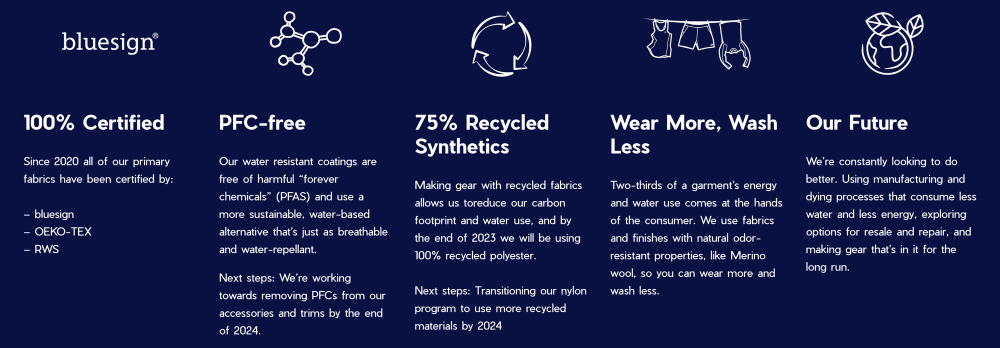
Its manufacturing practices include partnerships with facilities participating in third-party certification programs, including WRAP.
These are worthwhile steps, particularly in an industry heavily dependent on synthetic textiles. However, it's important to recognize that no new technical apparel is entirely without environmental impact. Synthetic materials still present concerns related to resource consumption, microfiber shedding, and end-of-life disposal. Responsible sourcing and manufacturing can reduce certain impacts, but they do not eliminate them.
Janji has also acknowledged opportunities to improve its environmental practices, including exploring repair, resale, and additional material innovations. For environmentally conscious runners, the most useful approach is to consider both a company's manufacturing practices and how long its products are likely to remain useful. Durable, versatile clothing that receives years of regular use can be a better investment than purchasing multiple specialized pieces that rarely leave the closet.
Is Janji Good for Trail Running?
Janji's design philosophy makes the brand particularly interesting for trail runners.
While road running often allows for relatively predictable conditions, trail running introduces additional demands. Terrain changes, weather can shift quickly, and runners may need to carry food, extra layers, or other essentials. Janji addresses many of these needs through technical fabrics, integrated storage, and clothing designed to remain comfortable over extended distances.

Its Multi Shorts, supportive running tights, lightweight tops, and weather-resistant layers are especially relevant to trail runners. The brand's focus on versatility also makes its clothing appealing to people whose outdoor activities extend beyond running.
For someone who alternates between trail running, hiking, and other outdoor adventures, Janji offers the potential to build a functional clothing system around fewer, more adaptable pieces.
Of course, fit and comfort remain highly individual. A garment that performs beautifully for one runner may not suit another person's body shape, preferences, or running style. As with any technical apparel, choosing the right model and fit matters more than the brand name alone.
Is Janji Worth the Money?
Janji occupies the premium end of the running apparel market, with pricing that reflects its technical fabrics, specialized construction, and design features. Whether that investment is worthwhile depends largely on how frequently the clothing will be used and which features matter most.
Runners who value integrated storage, comfortable fabrics, and versatile performance may find Janji particularly appealing. For example, shorts with enough secure storage for everyday essentials may eliminate the need for a separate running belt on certain outings.

Similarly, a technical layer that works for running, hiking, and travel may provide more practical value than a garment designed for one narrow purpose. Premium pricing doesn't automatically guarantee a better experience. Personal fit, durability over time, and actual performance should ultimately determine whether a particular product is worth purchasing.
Janji's strongest appeal lies in the combination of specialized running features, distinctive design, and a broader brand mission.
Why Janji Is a Running Brand Worth Knowing
The outdoor industry is full of companies making impressive technical products. What makes a brand memorable, however, often extends beyond the specifications printed on a hangtag.
Janji has built its identity around the idea that running can be both a personal experience and a way to create meaningful connections. From its beginnings as a college-founded company supporting clean water access to its current efforts to strengthen running communities, Janji has consistently connected its business to a larger purpose.

At the same time, its technical apparel demonstrates a clear understanding of what runners actually need: comfort, thoughtful storage, dependable materials, and clothing that allows them to focus on the experience rather than the gear. For runners who spend their time exploring desert trails, mountain paths, neighborhood routes, or unfamiliar places, that combination of performance and purpose is worth considering.
Ultimately, Janji represents an approach to running that feels especially relevant to the wider outdoor community. It's not simply about how far or how fast we move. It's about what we discover, the connections we make, and the positive impact we can leave along the way.
Note: This post contains affiliate links. If you make a purchase through these links, we may earn a small commission at no extra cost to you. Thanks for supporting our work!