Best Hiking Jackets of 2026: Trail-Tested Jackets for Every Season and Adventure
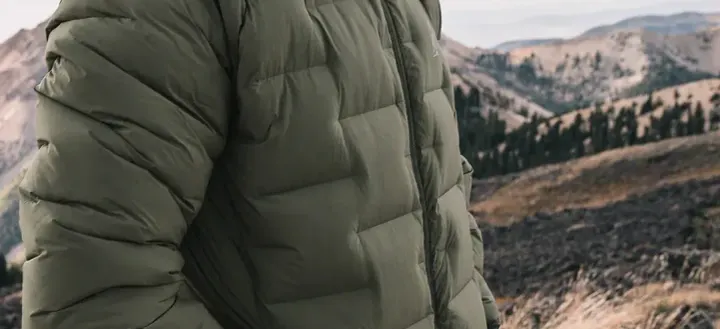
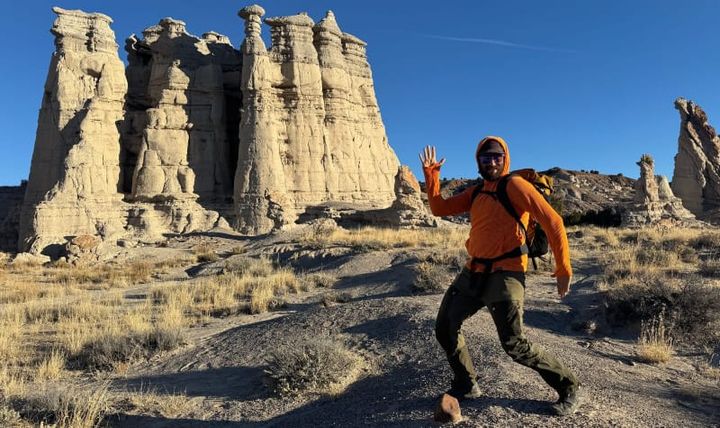
Finding the right hiking jacket can make the difference between a miserable day on the trail and an unforgettable adventure. After years of hiking everything from Arizona deserts to alpine snowstorms, these are the best hiking jackets of 2026!

There are few pieces of hiking gear that influence comfort as much as a good jacket.
The right layer keeps you warm before sunrise, blocks relentless alpine wind, sheds an afternoon thunderstorm, or traps precious warmth while eating lunch at 12,000 feet. The wrong one becomes dead weight in your pack—or worse, leaves you cold, soaked, or overheating miles from the trailhead.
One mistake many hikers make is searching for the best hiking jacket, when the reality is there isn't one.
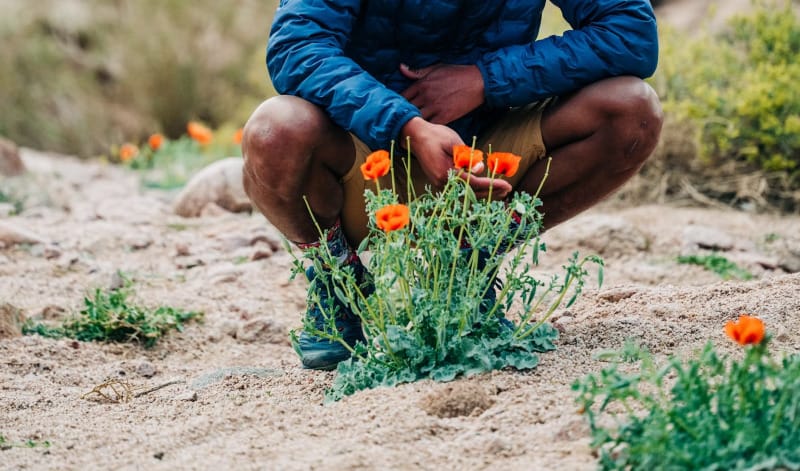
A fleece that excels during crisp autumn mornings won't survive a mountain downpour. An ultralight wind shell won't replace a waterproof rain jacket. A lofty down jacket is wonderful around camp but a terrible choice for climbing steep switchbacks. Instead, the best hiking jackets are the ones designed for the conditions you'll actually encounter.
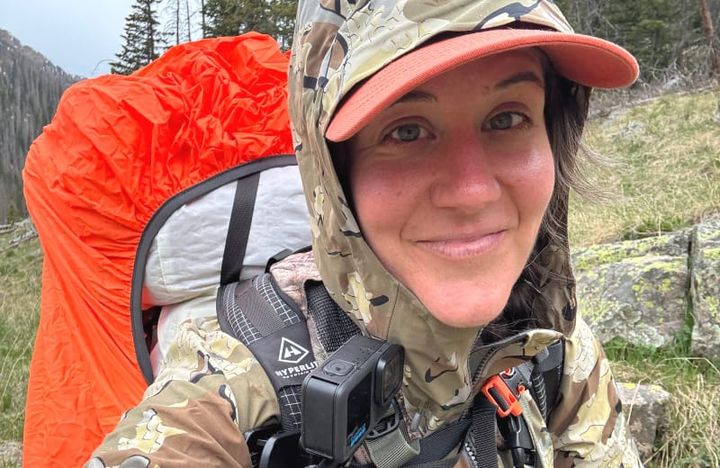
I've spent years hiking everywhere from the Sonoran Desert and Arizona's Sky Islands to Colorado's alpine tundra, carrying jackets through monsoon storms, freezing mornings, blazing afternoons, and windy ridgelines. Some live in my backpack nearly every hike, while others only come out during winter or high-elevation adventures.
This guide compares the very best hiking jackets available in 2026, explaining who each one is for, where it excels, and where it falls short, so you can confidently choose the right layer for your adventures.
The Best Hiking Jackets of 2026
Arc'teryx Atom Insulated Hoody
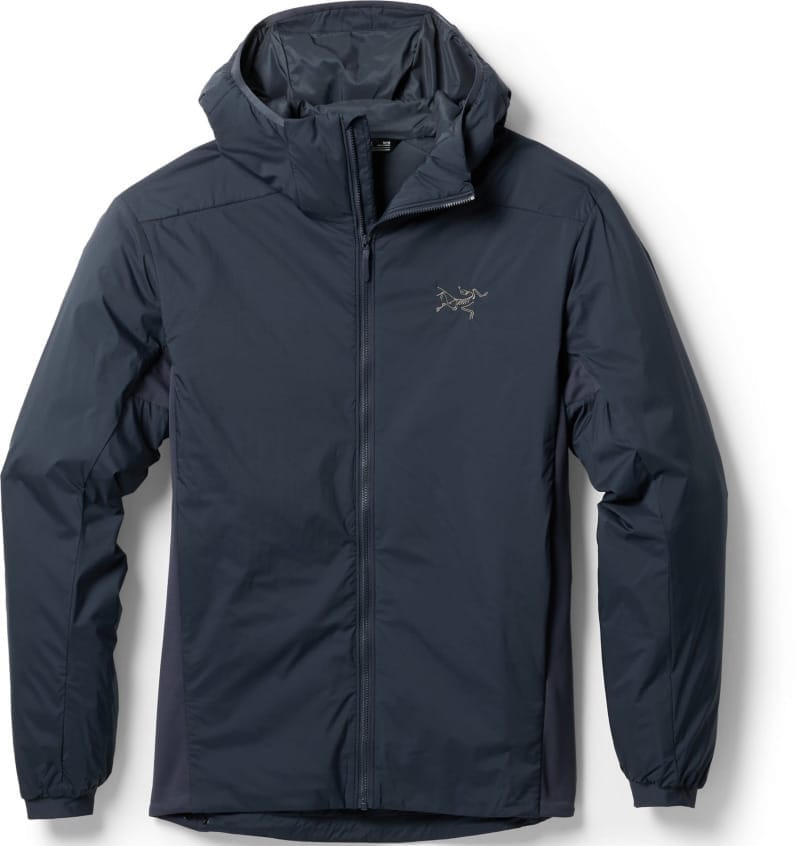
The Arc'teryx Atom Insulated Hoody does something surprisingly difficult: it provides meaningful warmth without feeling like a jacket you immediately want to take off once you start moving. At the heart of the Atom is 60 g/m² Coreloft Compact synthetic insulation, which provides lightweight warmth while continuing to perform if conditions get damp.
It also works exceptionally well as part of a layering system. Wear it alone during chilly mornings, windy summits, and shoulder-season hikes, then put a waterproof shell over it when the weather deteriorates. At 12.5 ounces, it's light and compressible enough to carry in a backpack when you don't need it.
There are limits. The Atom isn't a rain jacket, and hikers heading into prolonged precipitation still need a true waterproof shell. It also isn't intended to replace a high-loft down jacket for extremely cold conditions or long periods of inactivity.
KUIU Yukon TR Rain Jacket
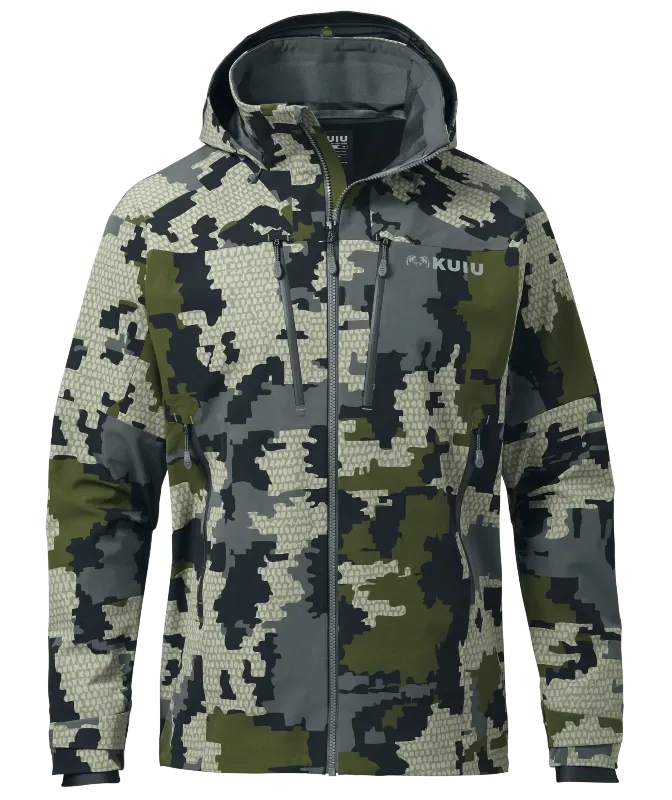
If your adventures regularly involve heavy rain, bushwhacking, or rugged mountain weather, few jackets inspire more confidence.
Rather than chasing ultralight numbers, the Yukon TR prioritizes durability and dependable storm protection. The waterproof membrane has survived some impressively miserable conditions while remaining breathable enough for long climbs.
For backpackers crossing mountain ranges or anyone hiking where forecasts routinely change, it's an exceptional shell.
Outdoor Vitals Tushar Rain Jacket
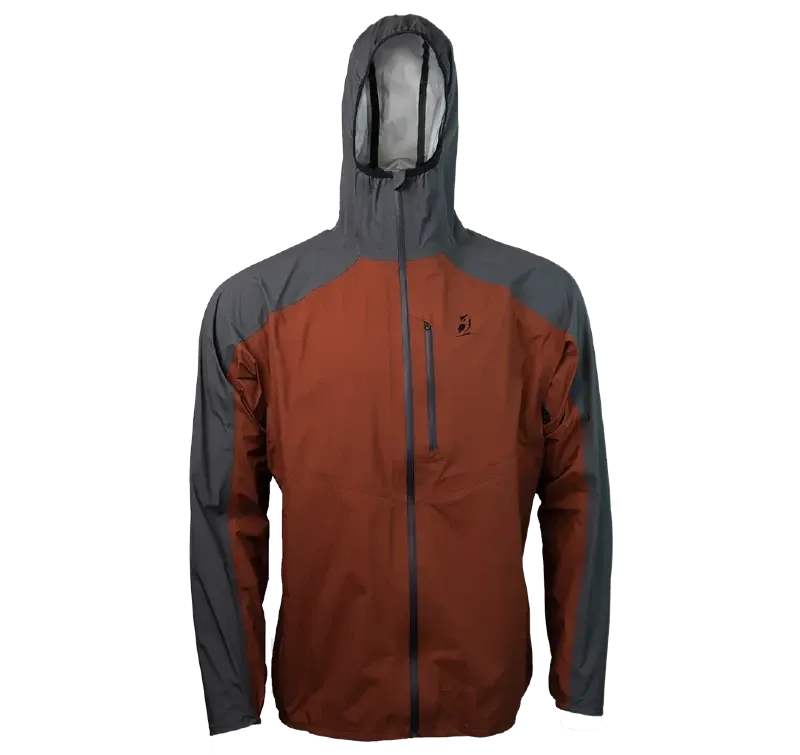
Backpackers obsessed with keeping base weight low will appreciate how much protection Outdoor Vitals squeezed into such a light package.
The Tushar packs incredibly small yet still delivers dependable waterproof performance for most three-season adventures.
Patagonia Houdini
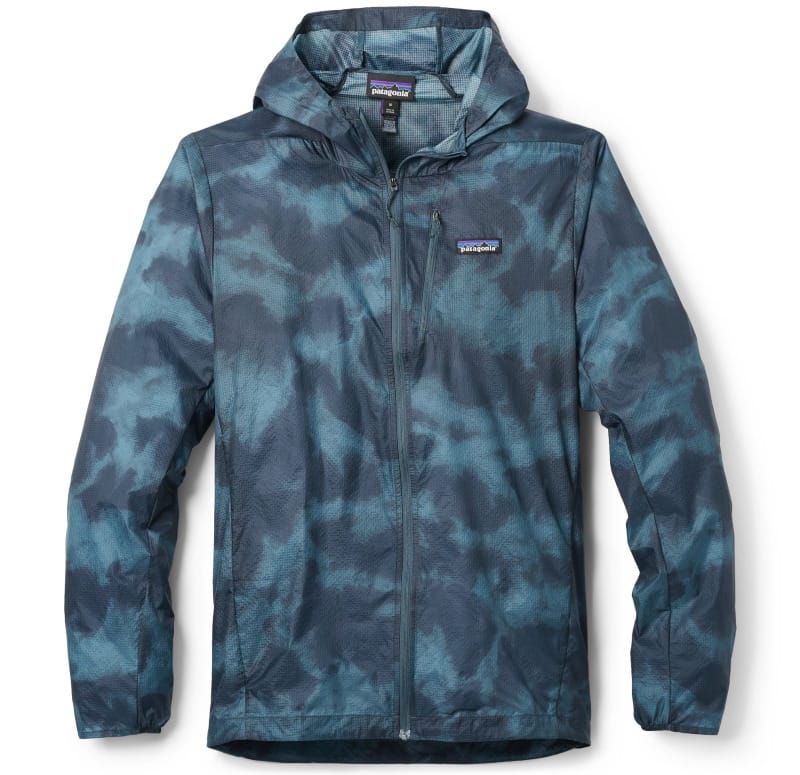
Wind often steals warmth faster than rain.
The Houdini has become legendary because it solves that problem while weighing almost nothing. It disappears inside your backpack until needed, then instantly boosts warmth by trapping the heat your body is already producing.
Arc'teryx Proton Hoody
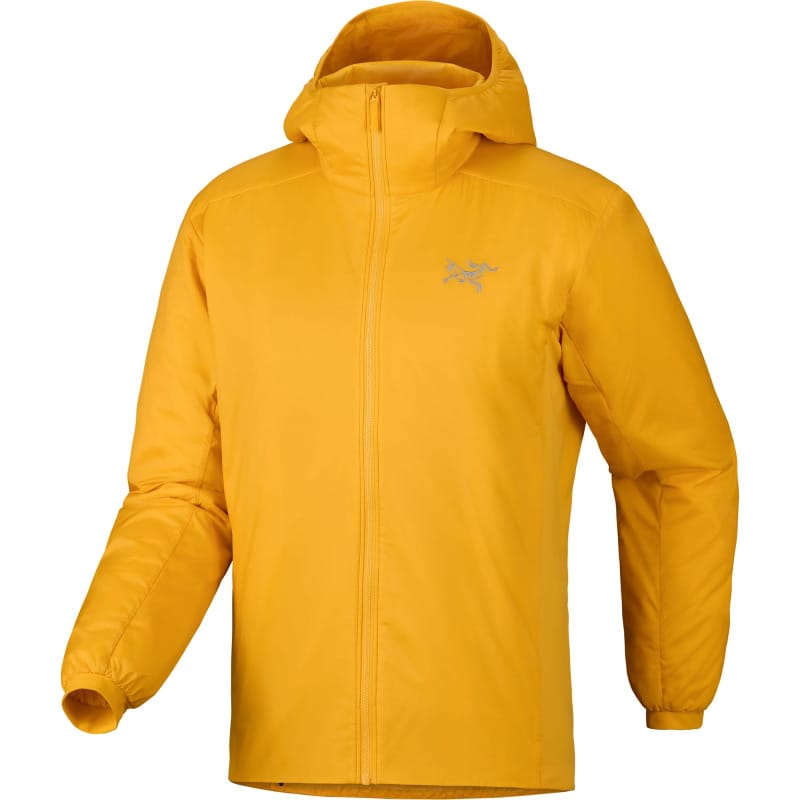
Designed specifically for movement, the Proton excels during steep climbs, scrambling, ski touring, and cold-weather hiking. Instead of overheating like traditional puffies, it continuously vents excess warmth.
Rab Microlight Alpine Down Jacket
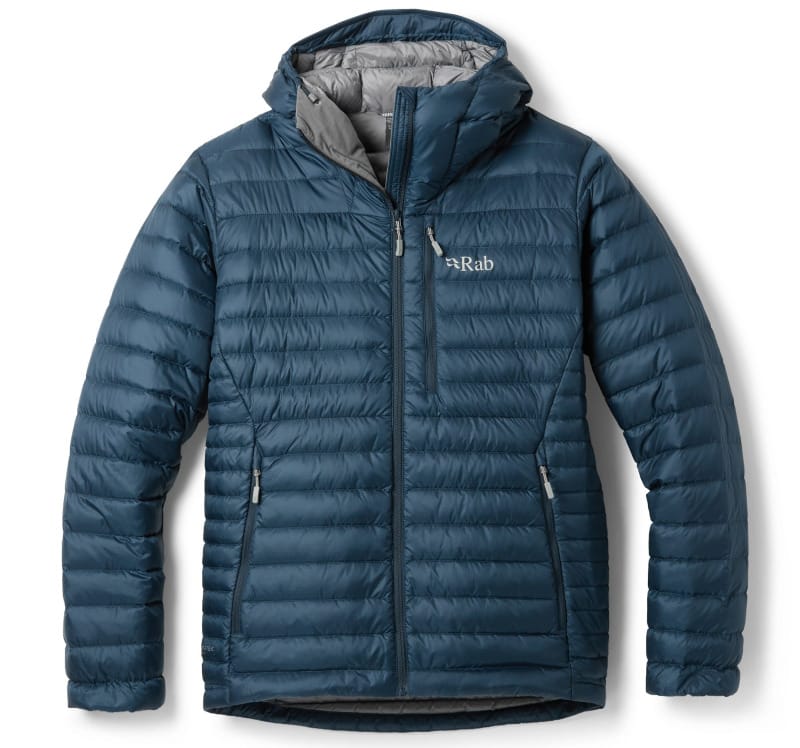
The Rab Microlight Alpine Down Jacket is our pick for the best winter hiking jacket of 2026, offering an excellent balance of warmth, weight, and packability for cold-weather adventures.
Its down insulation provides substantial warmth without the bulk of a traditional winter parka, making it especially useful for freezing trailheads, exposed summits, rest stops, and cold days in the mountains.
It layers easily over a fleece or base layer and underneath a waterproof shell when conditions deteriorate. While down isn't our first choice for sustained wet weather or highly aerobic hiking, the Microlight Alpine is an exceptionally versatile piece of insulation for hikers who need serious warmth that won't take over their pack.
Enlightened Equipment Torrid Jacket
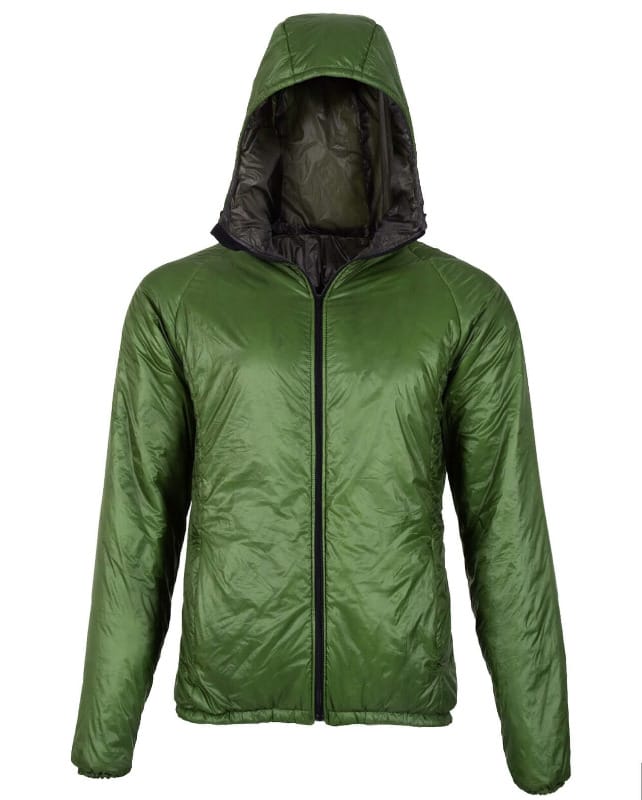
The Torrid has become one of the most respected synthetic backpacking jackets available. It packs tiny, weighs very little, and offers impressive warmth around camp. It is most certainly one of our most consistently used pieces of gear!
PAKA Apu Parka
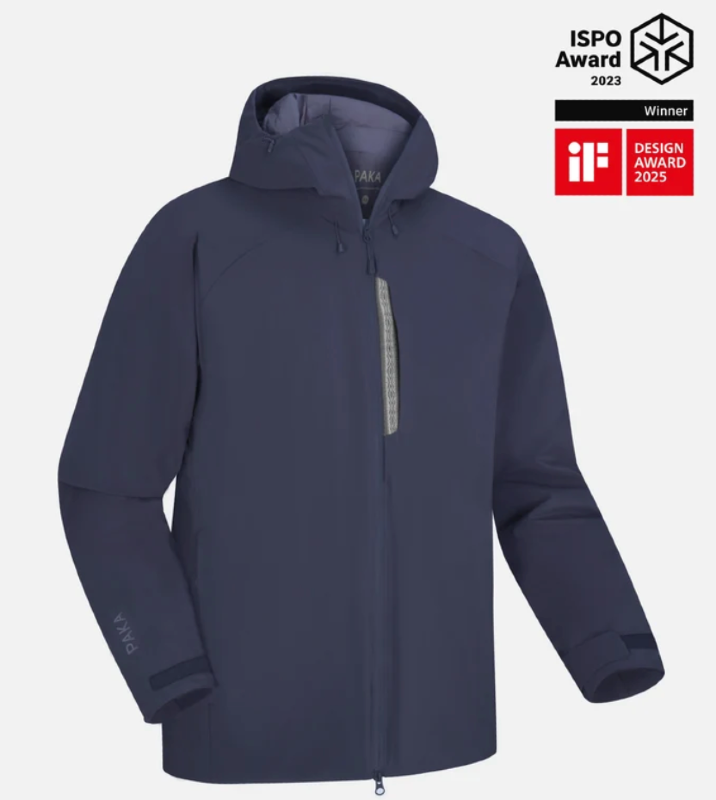
The PAKA Apu Parka stands apart from nearly every insulated jacket in this guide thanks to its PAKAFILL insulation, which uses alpaca fiber rather than conventional down or fully synthetic fill. The result is a warm, breathable insulated layer designed to handle changing conditions while offering a compelling natural-fiber alternative to traditional puffies.
We especially like the Apu for cool-weather hiking, travel, chilly trailheads, and everyday outdoor use, and its unusual insulation technology makes it one of the most interesting hiking jackets of 2026.
Outdoor Vitals NovaPro
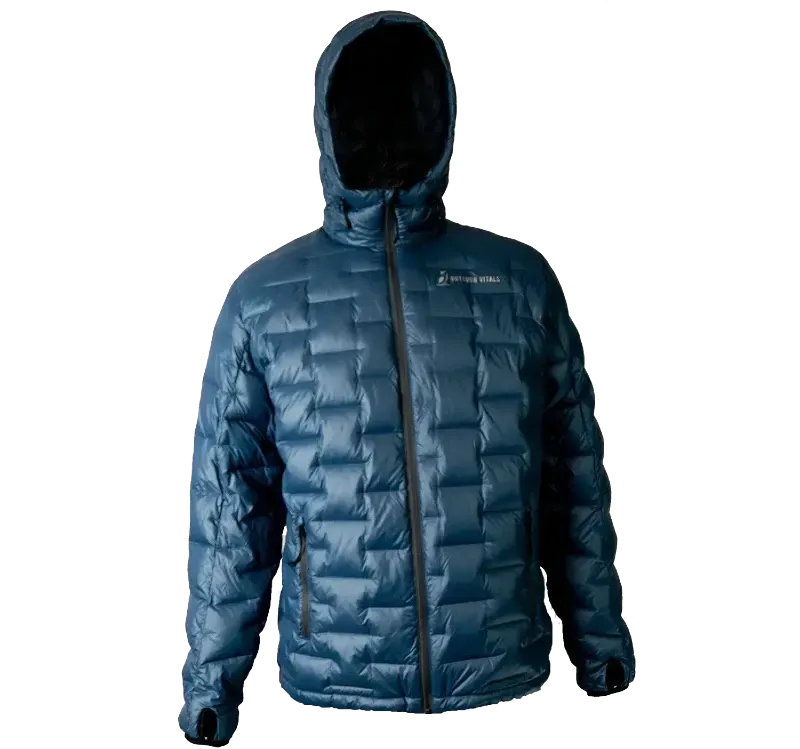
The Outdoor Vitals NovaPro is one of the more interesting insulated hiking jackets of 2026, combining high-fill-power down with synthetic fibers in its DownLT hybrid insulation to improve warmth retention when conditions get damp.
Its Zero Stitch construction eliminates traditional sewn-through baffles, helping reduce places for wind and moisture to penetrate while keeping the jacket impressively light at about 14.5 ounces for a men's large. We especially like the addition of pit zips -still surprisingly uncommon on insulated puffies- which make it easier to dump heat when you're moving.
With a DWR-treated 20D shell, adjustable insulated hood, thumbholes, and enough warmth for genuinely cold backcountry conditions, the NovaPro is a strong choice for hikers and backpackers who want the packability and warmth of down with a little more versatility when mountain weather becomes unpredictable.
How to Choose a Hiking Jacket
Choosing the right hiking jacket starts with understanding why you need it. Most experienced hikers don't rely on a single jacket—they build a layering system that can adapt to changing conditions.
Waterproof Jackets
These are your outer shell and your primary defense against rain, snow, and strong wind. Look for fully taped seams, adjustable hoods, and breathable waterproof membranes if you regularly hike in wet climates or mountain environments.
Insulated Jackets
Insulated jackets trap heat while you're stopped, camping, or hiking in cold conditions. Synthetic insulation continues performing when damp, while down generally offers the best warmth-to-weight ratio in dry environments.
Wind Jackets
A lightweight wind shell may be one of the most underrated pieces of hiking gear. Even a thin layer that blocks wind can dramatically increase perceived warmth while weighing only a few ounces.
Fleece Jackets
Fleece excels during active hiking because it breathes exceptionally well. While it won't block heavy rain or wind on its own, it's one of the best mid-layers for regulating temperature.
Softshell Jackets
Softshells bridge the gap between fleece and rain jackets, offering excellent breathability with moderate weather resistance. They're ideal for dry climates, cool mornings, and high-output activities.
Understanding Layering
Rather than searching for one perfect jacket, think in systems. A versatile three-season layering system often includes:
- Moisture-wicking base layer
- Lightweight fleece
- Wind shell
- Waterproof rain shell
- Insulated jacket for camp
By combining these pieces, you can comfortably handle temperatures ranging from desert mornings to alpine afternoons.
Features Worth Paying For
Adjustable Hood
A well-designed hood dramatically improves comfort in rain and wind.
Pit Zips
Excellent for dumping heat during steep climbs.
Helmet Compatibility
Useful for mountaineering and climbing but unnecessary for most hikers.
Pocket Placement
High hand pockets remain accessible while wearing a backpack hip belt.
Weight
Ultralight backpackers often prioritize jackets under 12 ounces, while winter hikers may gladly carry more weight for added warmth.
Waterproof vs. Water Resistant
These terms are often confused, but they describe very different levels of protection.
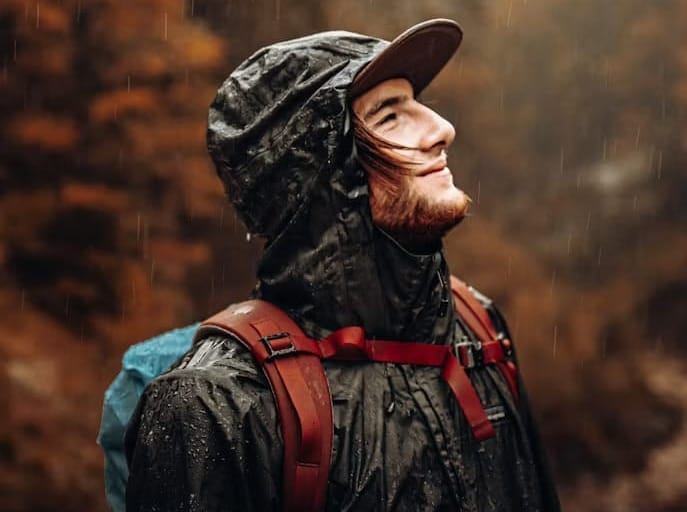
Water-resistant jackets repel light moisture for a short time but will eventually soak through during prolonged rain.
Waterproof jackets use specialized membranes, sealed seams, and durable water repellent (DWR) treatments to prevent water from penetrating, even during extended storms. They are the right choice for hiking in sustained rain, wet snow, or unpredictable mountain weather.
Synthetic vs. Down Insulation
Both insulation types have strengths, and choosing between them depends on where and how you hike.
Synthetic Insulation
Pros:
- Retains warmth when wet
- Dries quickly
- More durable during repeated compression
- Often more affordable
Cons:
- Heavier than down
- Slightly bulkier
Down Insulation
Pros:
- Outstanding warmth-to-weight ratio
- Extremely compressible
- Long lifespan when cared for properly
Cons:
- Loses insulating ability when soaked
- Typically more expensive
- Requires more care
If most of your hiking is in the dry Southwest, down can be an excellent choice for camp and winter use. In wetter climates or for unpredictable shoulder-season conditions, synthetic insulation offers greater peace of mind.
Caring for Your Hiking Jacket
A quality hiking jacket can last for many years with proper care.
- Wash according to the manufacturer's instructions rather than waiting until it's heavily soiled.
- Reapply a DWR treatment when water no longer beads on the fabric.
- Store insulated jackets loosely instead of compressed for long periods.
- Repair small tears promptly to prevent them from growing.
- Avoid excessive heat when drying waterproof shells unless the care label specifically recommends it.
Routine maintenance helps preserve breathability, waterproof performance, and insulation loft.
Packing It Out
The best hiking jacket isn't necessarily the warmest, the lightest, or the most expensive; it's the one that keeps you comfortable in the conditions you actually hike in.
Over the years, I've found that no single jacket can handle every adventure. My layering system changes depending on the season, the forecast, and where I'm headed. A fleece might be all I need for a cool desert sunrise, while a waterproof shell and insulated jacket become indispensable in the mountains during monsoon season or winter.
If you're building your kit from scratch, start with a dependable waterproof shell, a breathable fleece, and a quality insulated jacket. Those three pieces will handle the vast majority of hiking conditions, and you can always refine your system as your adventures grow.
The jackets above represent the best options available in 2026 because they balance performance, durability, comfort, and real-world usability—not just impressive specifications on paper. Whether you're tackling Arizona's Sky Islands, backpacking through the Rockies, or exploring local trails after work, investing in the right jacket means you'll spend less time thinking about the weather and more time enjoying the trail.
Frequently Asked Questions
What type of jacket is best for hiking?
For most hikers, the best approach is a layering system that includes a breathable mid-layer, a waterproof shell, and an insulated jacket for cold conditions rather than relying on a single jacket.
Should I hike in a down jacket?
Down jackets are excellent for cold-weather breaks, camp, and low-output activities, but they can become too warm during strenuous hiking. Many hikers carry a down jacket in their pack and hike in lighter, more breathable layers.
Is Gore-Tex worth it?
Gore-Tex remains one of the most trusted waterproof technologies, especially for sustained rain and harsh weather. However, several modern waterproof membranes now offer comparable performance, so it's worth comparing overall jacket design rather than choosing solely based on the membrane.
How many jackets do I really need?
Most hikers can cover nearly every condition with three core pieces: a lightweight fleece, a waterproof rain shell, and an insulated jacket. Adding a wind shell provides even greater versatility without much additional weight.
Are softshell jackets waterproof?
No. Softshell jackets are designed to resist light moisture and block wind, but they are not fully waterproof. They excel in cool, dry conditions where breathability is more important than complete weather protection.
Note: This post contains affiliate links. If you make a purchase through these links, we may earn a small commission at no extra cost to you. Thanks for supporting our work!